Decimoquinta reunión de la Conferencia de las Partes 
en la Convención sobre la Conservación de las Especies Migratorias de Animales Silvestres


TEMA

Connecting Nature to Sustain Life


CUÁNDO

Del 23 al 29 de marzo de 2026


DÓNDE

Campo Grande, Brasil


  Participation


  Meeting Process

Guidance on Drafting Resolutions and Decisions


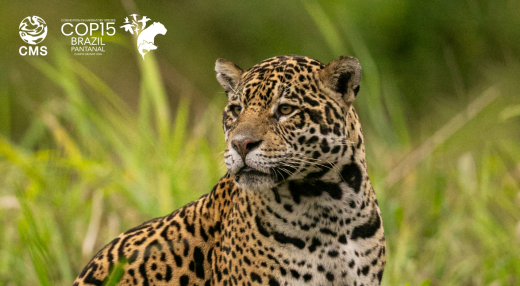
The COP15 logo was developed by the Government of Brazil in close cooperation with the Secretariat and features the Jaguar, the Amazonian Catfish, and a variety of sea birds to call to mind Brazil’s rich biodiversity, and to reflect the wide range of terrestrial, aquatic and avian species that will be the focus of this UN wildlife conservation conference. 

download the logo

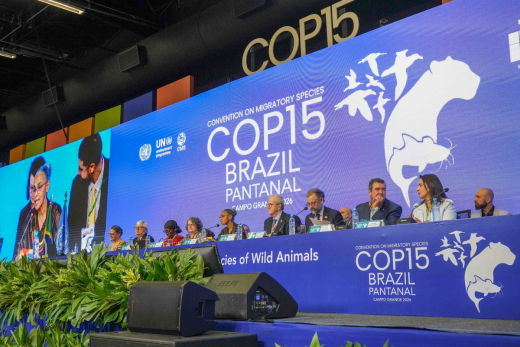
The 15th Meeting of the Conference of the Parties (COP15) to the Convention on the Conservation of Migratory Species of Wild Animals (CMS) will take place from 23 to 29 March 2026 at the Bosque Expo in Campo Grande, Mato Grosso do Sul, Brazil. This is the first time CMS COP is hosted in Brazil, the world’s most biodiverse country, and at the gates of the Pantanal region—one of the richest and most vibrant biomes globally. The meeting will bring together governments, scientists, conservationists, Indigenous Peoples and local communities, environmental leaders, and civil society from around the world to address urgent conservation challenges facing migratory species that cross international boundaries.

CMS COP15 will be convened under the slogan “Connecting Nature to Sustain Life”. This theme highlights the vital role of ecological connectivity for conserving ecosystems, which are crucial both for migratory species and human well-being. The slogan also reflects linkages between ecological connectivity, the conservation of migratory species and climate change. 

During the week-long negotiations, CMS COP15 is expected to consider:

  • High-Level Political Commitments & Declarations – A Ministerial Declaration will emphasize key global commitments for  migratory species conservation.
  • Strengthening Global and Coordinated Conservation for Migratory Species – Reviewing and approving proposals from CMS Parties to add species at risk to the CMS Appendices.
  • Implementing Targeted Conservation Actions – Advancing new concerted actions, action plans and other conservation measures to address the most pressing needs and threats.
  • Combating Illegal Take and Addressing Overexploitation of Species  – Strengthening measures to prevent   illegal taking, overuse, and bycatch.
  • Enhancing Ecological Connectivity – Taking decisive steps to safeguard vital migratory corridors and networks.
  • Advancing Sustainable Infrastructure which minimizes negative impacts on migratory species.
  • Driving the Samarkand Strategic Plan (2024–2032) Forward – Evaluating progress and setting the course for the next decade of action.
  • Addressing Global Challenges Impacting Migratory Species – Tackling climate change, habitat loss, wildlife health threats, and the impacts of pollution and renewable energy infrastructure.
  • Fostering Global Collaboration – Strengthening synergies with other multilateral environmental agreements such as CITES, CBD, Ramsar and integrating conservation with sustainable livelihoods.


  Events

Side Events and Exhibitions

Migratory Species Champion Night


  Communication

Media Toolkit & Inquiries

Social Media Package


.

  News & Press Releases

CMS
2026/006: Enmiendas a los Apéndices de la Convención
© IISD/ENB
CMS
40 especies de animales migratorios reciben nueva o mayor protección al cierre de la reunión de la ONU en Brasil
© Aydin Bahramlouian
CMS
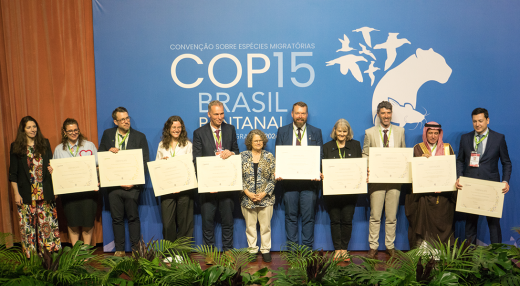
Migratory Species Champion Award Honors Long-term Commitments to Conservation Initiatives at CMS COP15
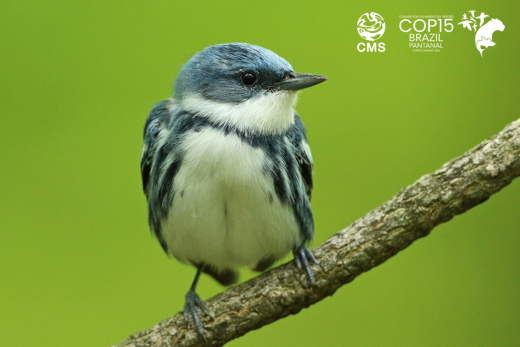
Cerulean Warbler © Luke Seitz, Cornell Lab of Ornithology
CMS
Nuevo Atlas respaldado por la ONU mapea rutas migratorias clave de aves altamente vulnerables en las Américas
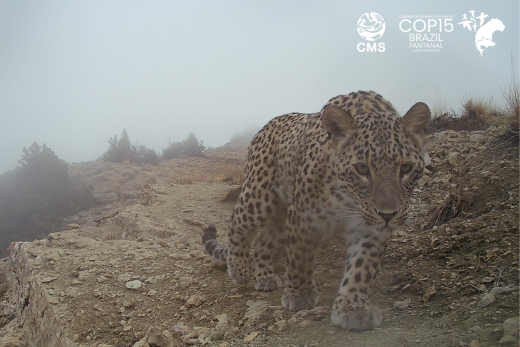
Persian Leopard
Persian Leopard
CMS
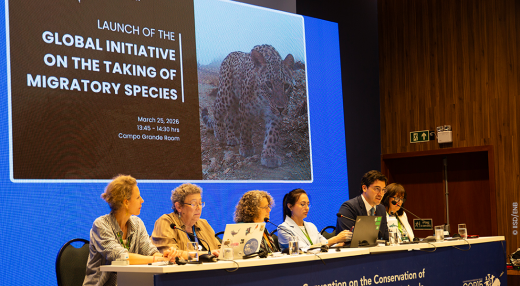
Nueva iniciativa mundial para frenar la captura ilegal y no sostenible de especies migratoria se lanza en conferencia de la ONU
El salmón del Danubio (Hucho hucho) es un pez de agua dulce de gran tamaño originario de la cuenca del Danubio que actualmente se encuentra en peligro de extinción debido a la construcción de presas, la contaminación, la sobrepesca y el cambio climático. © Adobe Stock Images
CMS
ONU: las migraciones clave de los peces de agua dulce están colapsando
© IISD/ENB
© IISD/ENB
CMS
COP15 Daily Coverage: 23 March 2026
Flesh-footed shearwater
CMS
Las naciones del mundo se reúnen en Brasil para acordar medidas ante nuevos hallazgos que muestran que más especies de animales migratorios están enfrentando la extinción
© IISD/ENB
© IISD/ENB
CMS
COP15 Daily Coverage: High Level Segment, 22 March 2026
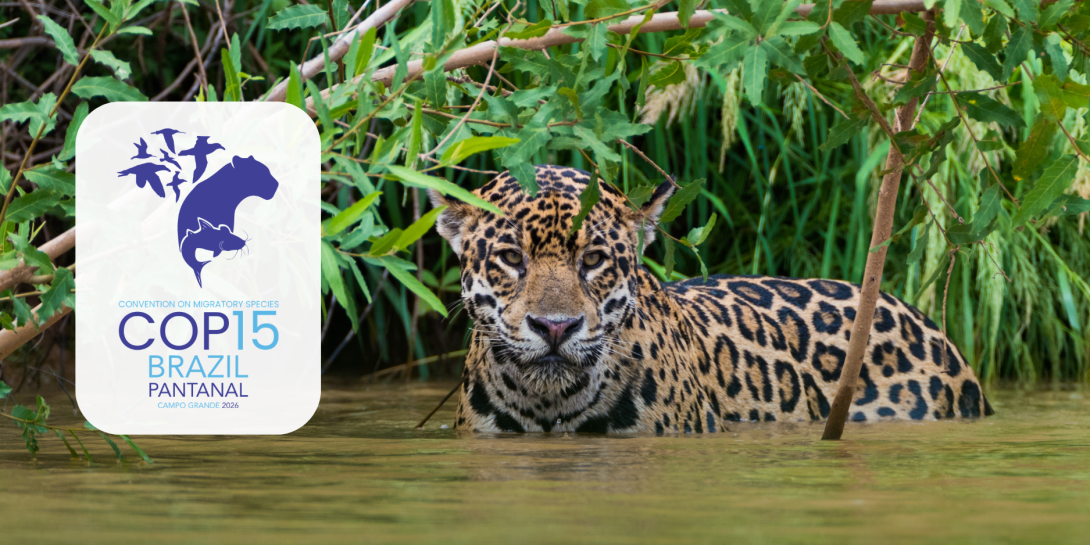
Jaguar (Panthera onca). Photocech / Adobe Stock | #526706118
CMS
Nuevo informe: El declive de las poblaciones de especies migratorias protegidas por tratado de la ONU aumenta del 44 % al 49 % en 2 años
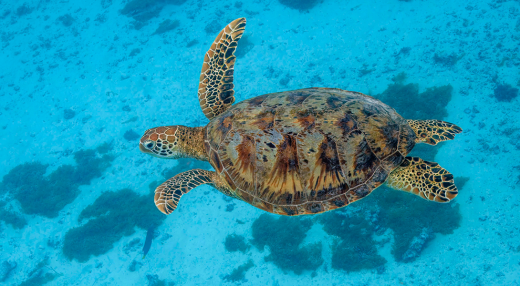
Green sea turtle (Chelonia mydas), Moorea, French Polynesia. Photo by Charles J. Sharp (CC BY-SA 4.0)
CMSIOSEA Turtles
Green Turtle Recovery: A Major Conservation Success in Advance of CMS COP15
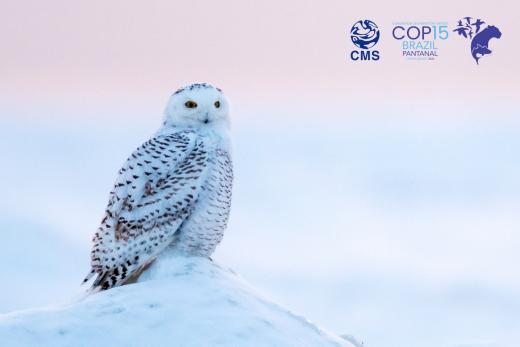
Un búho nival posado sobre un montículo de hielo y nieve al atardecer en Ontario, Canadá. © Paul Hartley/Getty Images
CMSBirds of Prey (Raptors)
Amenazado de extinción, se propone la protección internacional para la conservación del Búho Nival
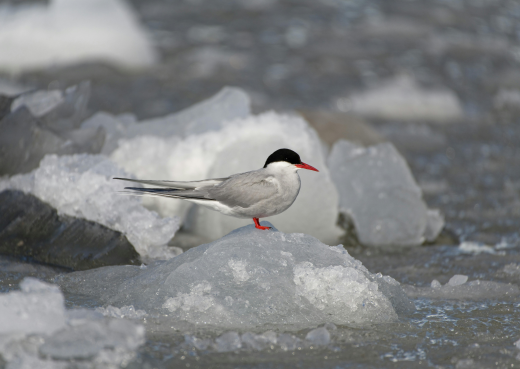
Close up of Artic Tern on ice
Artic Tern © Gu Bra/Pexels.com
CMS
Global Experts at UN Workshop Find Climate Change is Threatening the Earth’s Animal Migrations
title
CMS
Brasil será sede de conferencia clave de la ONU para impulsar la conservación mundial de especies migratorias y sus hábitats