Quinzième session de la Conférence des Parties 
à la Convention sur la conservation des espèces migratrices appartenant à la faune sauvage


THÈME

Connecting Nature to Sustain Life


QUAND

23 - 29 mars 2026


Campo Grande, Brésil


  Participation


  Meeting Process

Guidance on Drafting Resolutions and Decisions


COP15 logo


The COP15 logo was developed by the Government of Brazil in close cooperation with the Secretariat and features the Jaguar, the Amazonian Catfish, and a variety of sea birds to call to mind Brazil’s rich biodiversity, and to reflect the wide range of terrestrial, aquatic and avian species that will be the focus of this UN wildlife conservation conference. 

download the logo

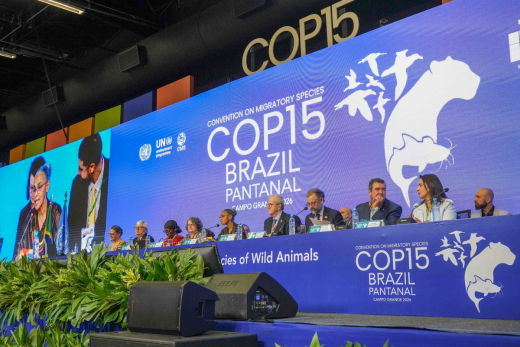
The 15th Meeting of the Conference of the Parties (COP15) to the Convention on the Conservation of Migratory Species of Wild Animals (CMS) will take place from 23 to 29 March 2026 at the Bosque Expo in Campo Grande, Mato Grosso do Sul, Brazil. This is the first time CMS COP is hosted in Brazil, the world’s most biodiverse country, and at the gates of the Pantanal region—one of the richest and most vibrant biomes globally. The meeting will bring together governments, scientists, conservationists, Indigenous Peoples and local communities, environmental leaders, and civil society from around the world to address urgent conservation challenges facing migratory species that cross international boundaries.

CMS COP15 will be convened under the slogan “Connecting Nature to Sustain Life”. This theme highlights the vital role of ecological connectivity for conserving ecosystems, which are crucial both for migratory species and human well-being. The slogan also reflects linkages between ecological connectivity, the conservation of migratory species and climate change. 

During the week-long negotiations, CMS COP15 is expected to consider:

  • High-Level Political Commitments & Declarations – A Ministerial Declaration will emphasize key global commitments for  migratory species conservation.
  • Strengthening Global and Coordinated Conservation for Migratory Species – Reviewing and approving proposals from CMS Parties to add species at risk to the CMS Appendices.
  • Implementing Targeted Conservation Actions – Advancing new concerted actions, action plans and other conservation measures to address the most pressing needs and threats.
  • Combating Illegal Take and Addressing Overexploitation of Species  – Strengthening measures to prevent   illegal taking, overuse, and bycatch.
  • Enhancing Ecological Connectivity – Taking decisive steps to safeguard vital migratory corridors and networks.
  • Advancing Sustainable Infrastructure which minimizes negative impacts on migratory species.
  • Driving the Samarkand Strategic Plan (2024–2032) Forward – Evaluating progress and setting the course for the next decade of action.
  • Addressing Global Challenges Impacting Migratory Species – Tackling climate change, habitat loss, wildlife health threats, and the impacts of pollution and renewable energy infrastructure.
  • Fostering Global Collaboration – Strengthening synergies with other multilateral environmental agreements such as CITES, CBD, Ramsar and integrating conservation with sustainable livelihoods.


  Events

Side Events and Exhibitions

Migratory Species Champion Night


  Communication

Media Toolkit & Inquiries

Social Media Package


.

  News & Press Releases

CMS
2026/006 : Modifications apportées aux Annexes de la Convention
© IISD/ENB
CMS
À l'issue d'une réunion des Nations unies au Brésil, 40 espèces d'animaux migrateurs bénéficient d'une protection nouvelle ou renforcée
© Aydin Bahramlouian
CMS
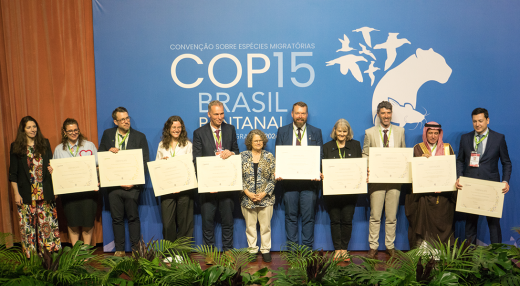
Migratory Species Champion Award Honors Long-term Commitments to Conservation Initiatives at CMS COP15
Cerulean Warbler © Luke Seitz, Cornell Lab of Ornithology
CMS
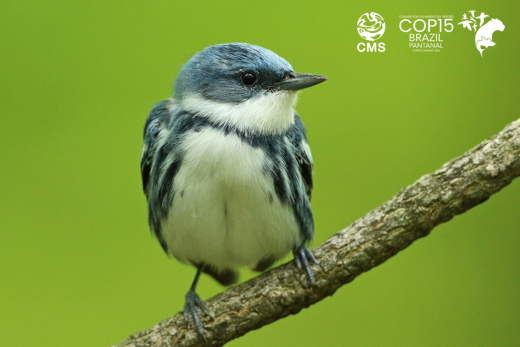
Un nouvel atlas soutenu par l'ONU cartographie les voies migratoires d'espèces d'oiseaux très vulnérables à travers les Amériques
Persian Leopard
Persian Leopard
CMS
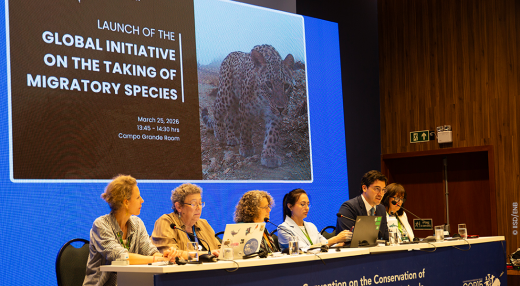
Une initiative mondiale visant à lutter contre les pressions croissantes liées à la capture illégale et non durable d'espèces migratrices a été annoncée lors de la Conférence des Nations Unies sur la conservation de la faune sauvage
Le saumon du Danube (Hucho hucho) est un gros poisson d'eau douce originaire du bassin du Danube, aujourd'hui menacé d'extinction en raison de la construction de barrages, de la pollution, de la surpêche et du changement climatique. © Adobe Stock Images
CMS
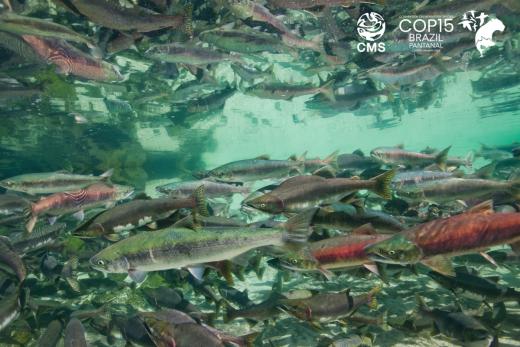
ONU : Les migrations indispensables des poissons d’eau douce sont en train de s’effondrer
© IISD/ENB
© IISD/ENB
CMS
COP15 Daily Coverage: 23 March 2026
Flesh-footed shearwater
CMS
Les nations du monde se réunissent au Brésil pour convenir de mesures à prendre, alors que de nouvelles études révèlent que de plus en plus d'espèces animales migratrices sont menacées d'extinction
© IISD/ENB
© IISD/ENB
CMS
COP15 Daily Coverage: High Level Segment, 22 March 2026
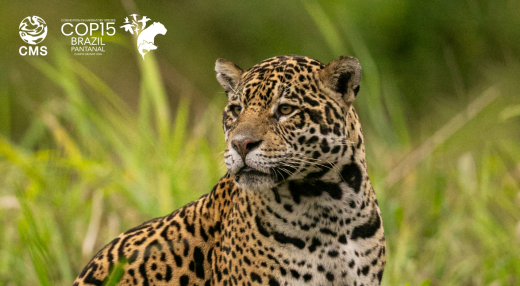
Jaguar (Panthera onca). Photocech / Adobe Stock | #526706118
CMS
Nouveau rapport : le déclin des populations d’espèces animales migratrices couvertes par le traité des Nations Unies s’aggrave, passant de 44 % à 49 % en deux ans
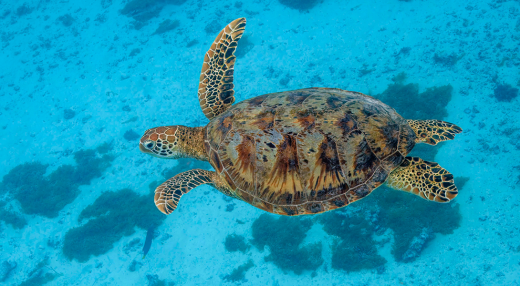
Green sea turtle (Chelonia mydas), Moorea, French Polynesia. Photo by Charles J. Sharp (CC BY-SA 4.0)
CMSIOSEA Turtles
Green Turtle Recovery: A Major Conservation Success in Advance of CMS COP15
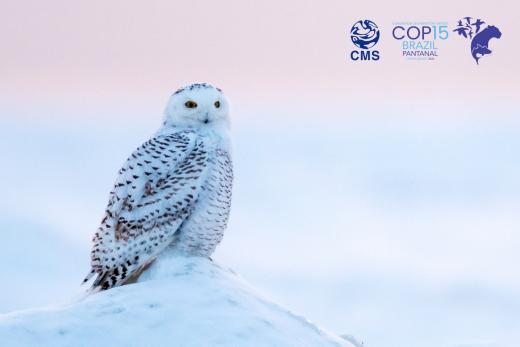
Un harfang des neiges perché sur un monticule de glace et de neige au coucher du soleil en Ontario, au Canada. © Paul Hartley/Getty Images
CMSBirds of Prey (Raptors)
Menacé d'extinction, le harfang des neiges au cœur d'une proposition de conservation internationale
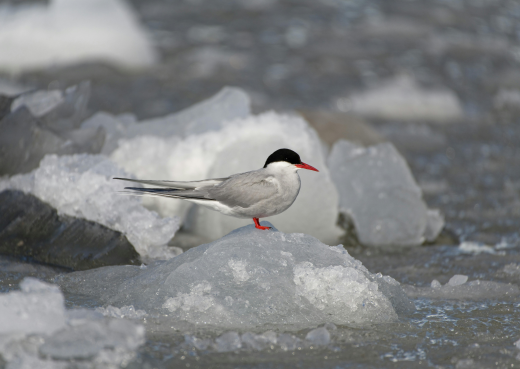
Gros plan d'une sterne arctique sur la glace
Sterne arctique © Gu Bra/Pexels.com
CMS
Des experts internationaux réunis lors d’un atelier des Nations Unies constatent que les changements climatiques menacent les migrations animales sur Terre
title
CMS
Le Brésil accueillera une conférence cruciale des Nations unies pour faire progresser la conservation mondiale des espèces sauvages migratrices et de leurs habitats