
• Photo
Global Initiative on Ungulate Migration
Gallery - Species
Gallery images

- Saiga females often give birth to two calves. Saigas start grazing at a very young age, Kazakhstan. © Daniel Rosengren / FZS
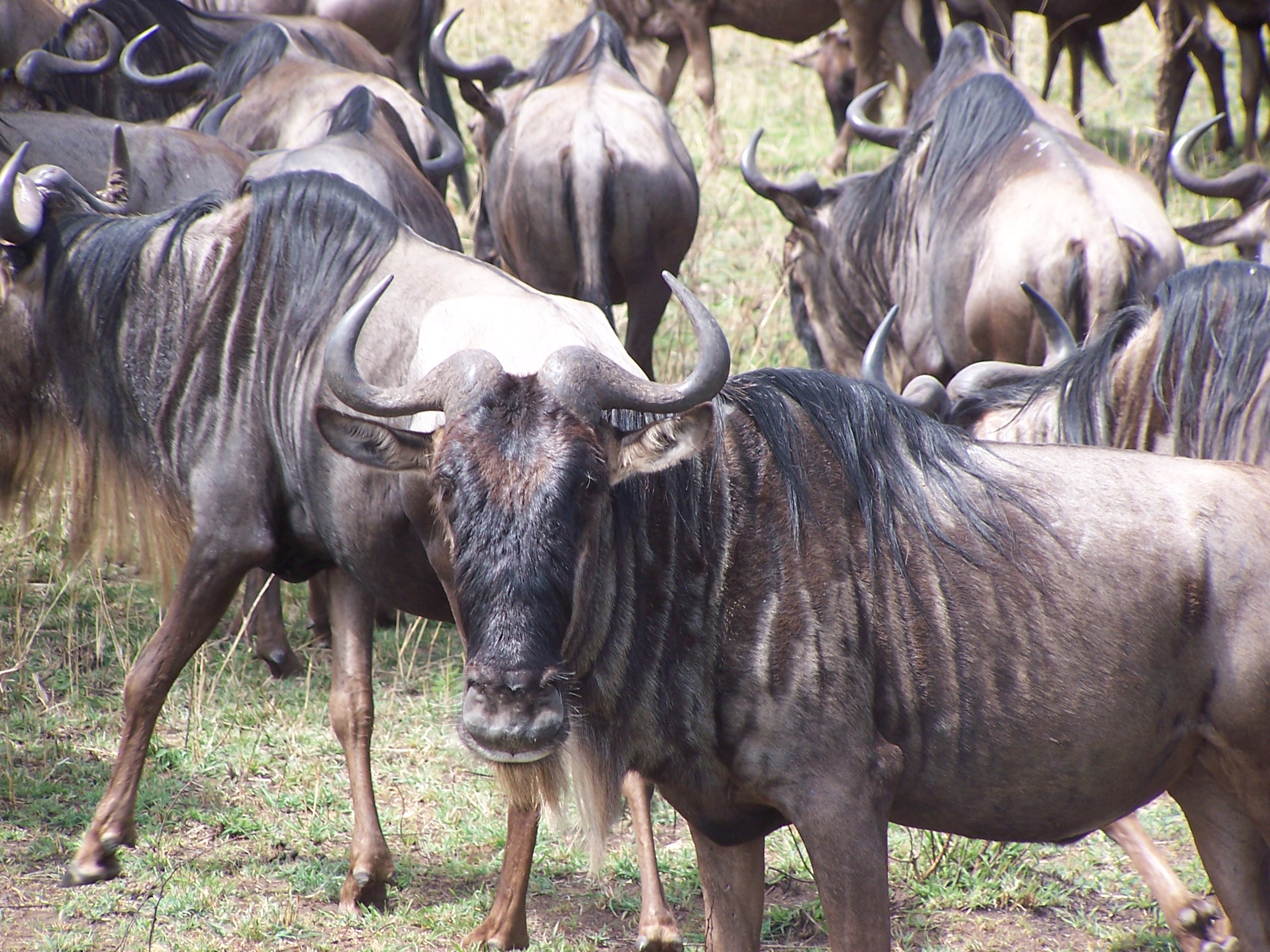
Wildebeests migrating in Serengti National Park, Tanzania. Photo: Kyle Joly
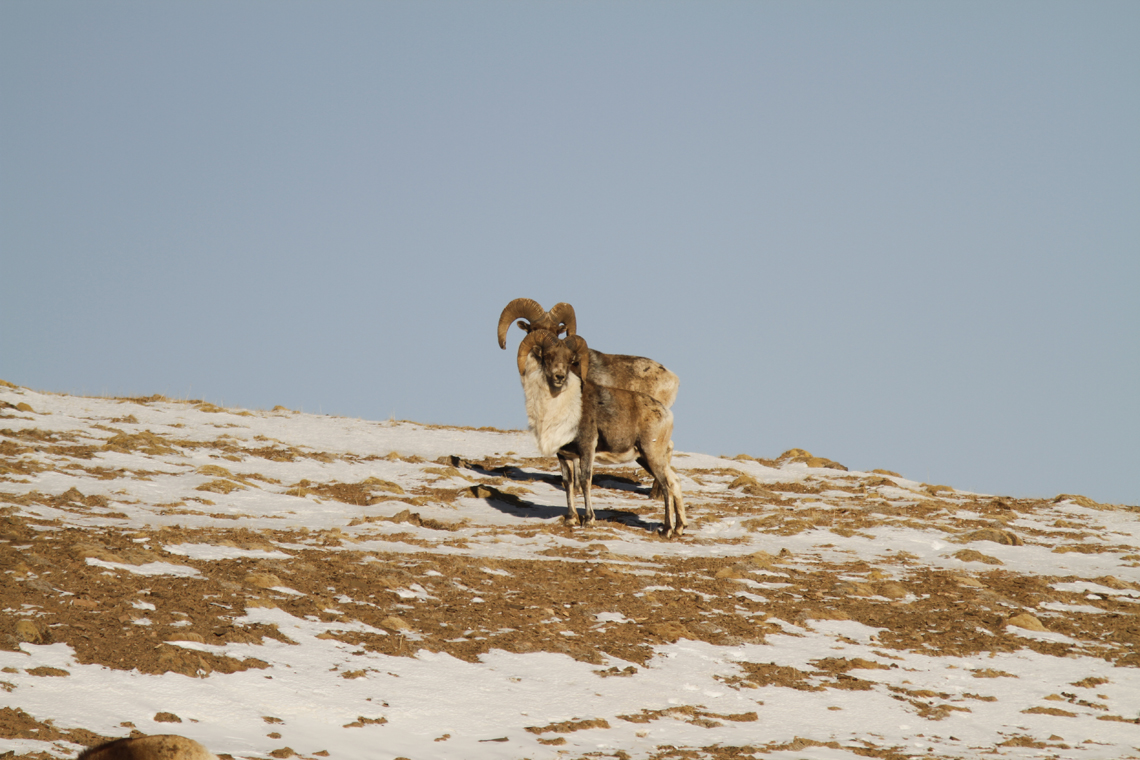
Argali sheep of the Tibetan Plateau. Photo credit Nyanpo Yurtse Environment Protection Association.
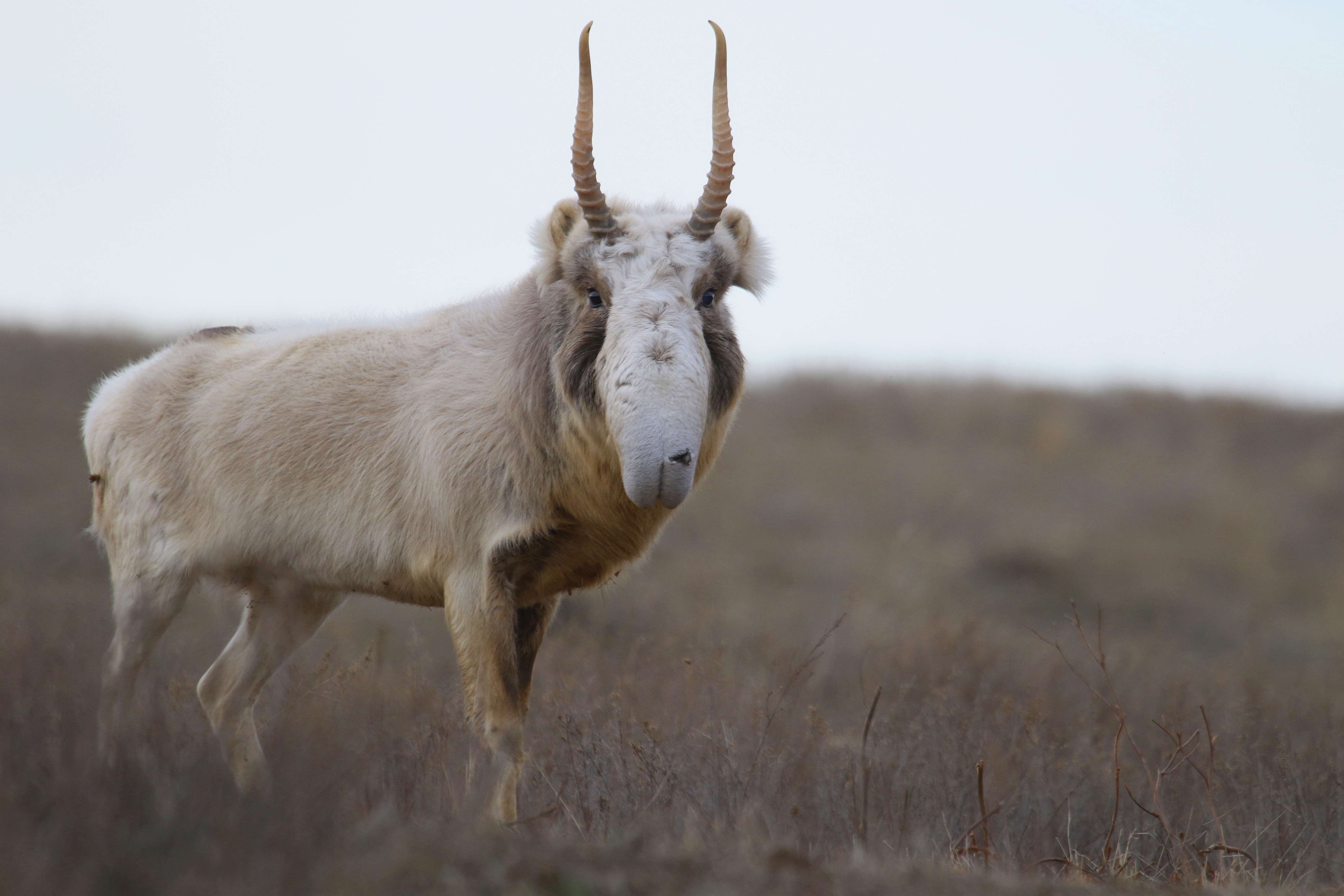
Saiga male after finishing rutting season. Ural population 2019. Photo Credit: Albert R. Salemgareyev/ACBK
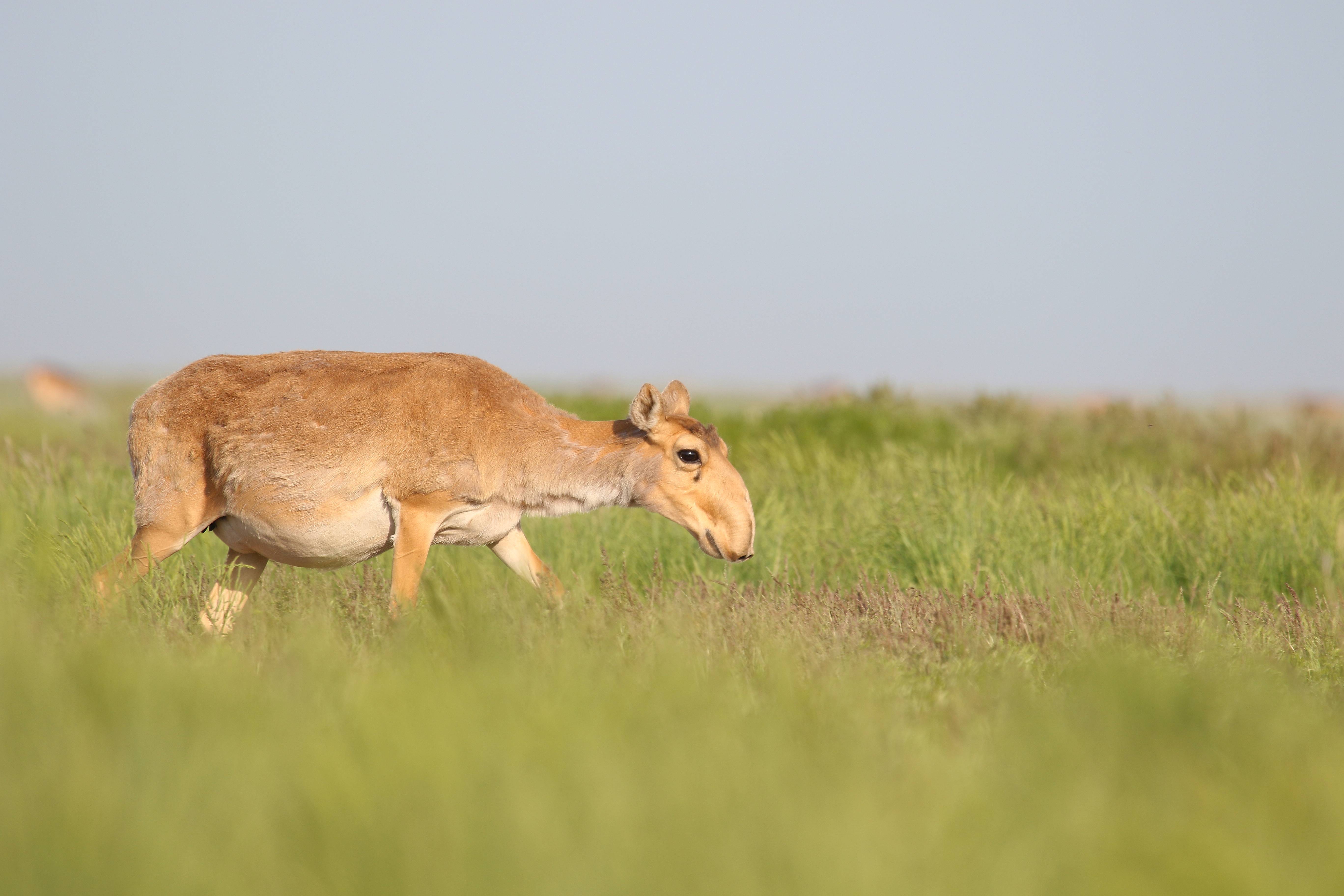
Pregnant Saiga Antelope in beginning og May 2019. Ural Population. Photo Credit: Albert R. Salemgareyev/ACBK
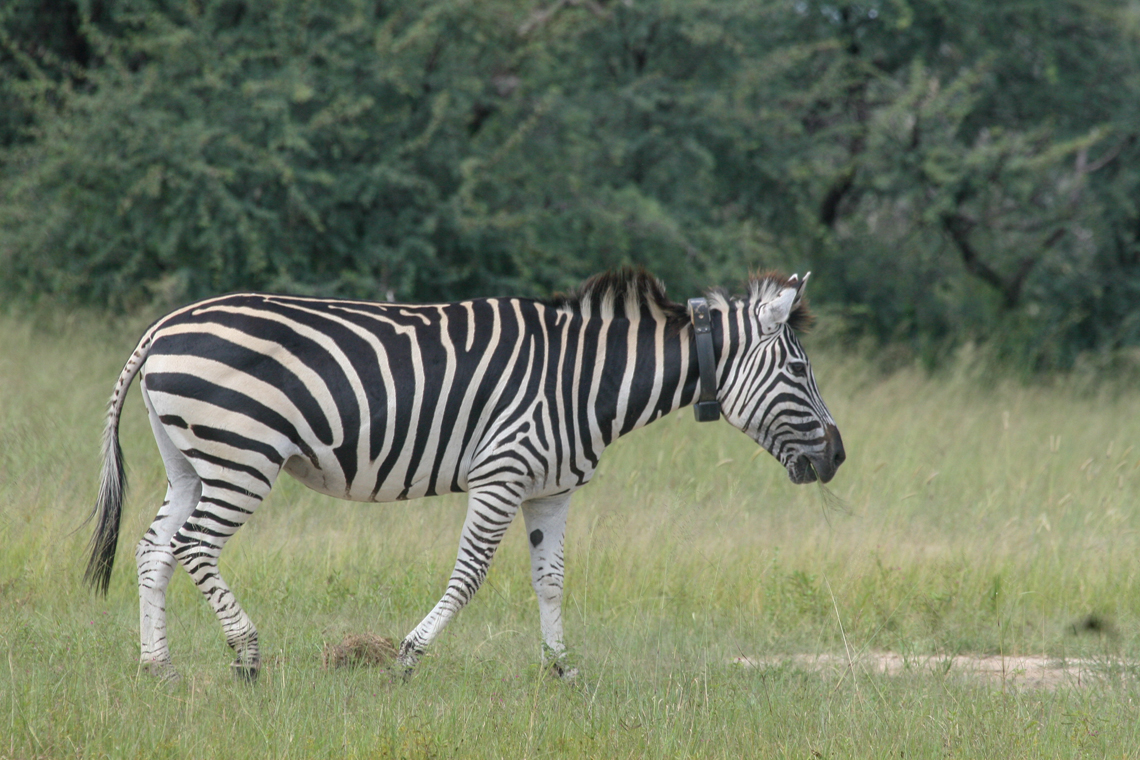
Image of a collared zebra after a year of being collared. This is ongoing monitoring of migration of herbivores in Hwange National Park. Photo Credit Arnold Tshipa
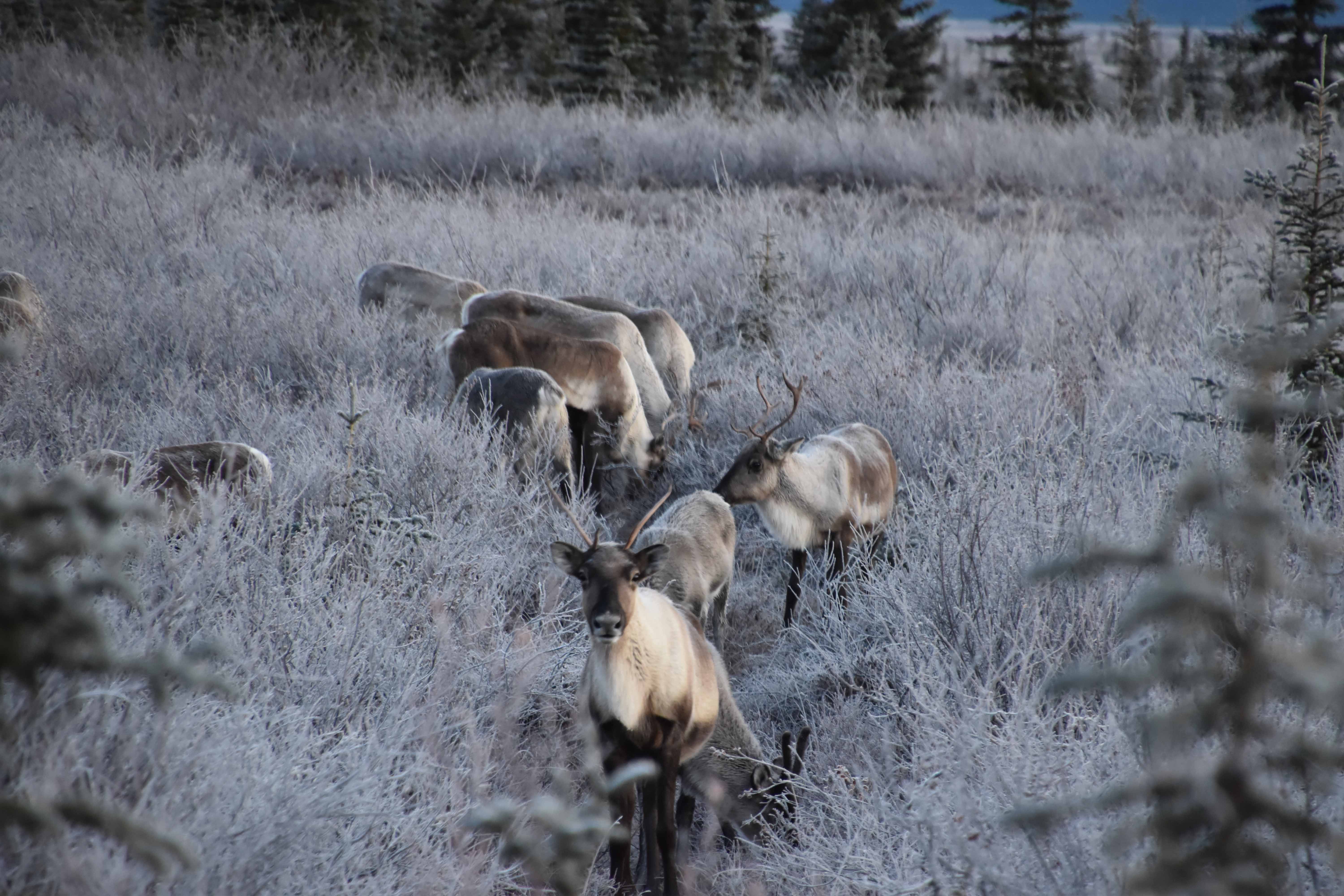
A band of caribou in early morning frost, Kobuk Valley National Park, Alaska. Photo: Kyle Joly
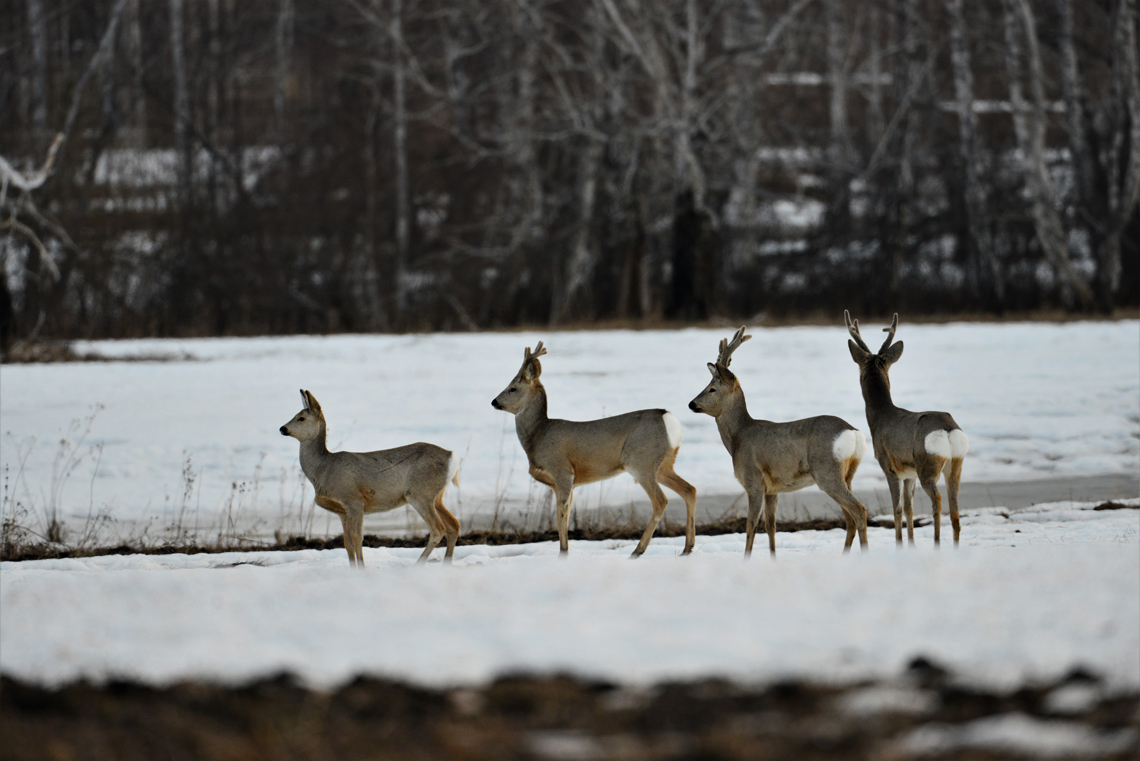
Spring movements can start at different times and it also depends on a number of factors. However, the average dates of migrations were pretty consistent in the twentieth century. According to observations in 1998-2006, the first animals were marked on April 5-10 in the northern part of the Kansk forest-steppe (at the latitude of the village of Taseevo). The peak of migration coincides with the intensive snow melting and reached its peak by April 20-25. In recent years the dates have shifted by almost two weeks. Photo credit: P. A. Savchenko
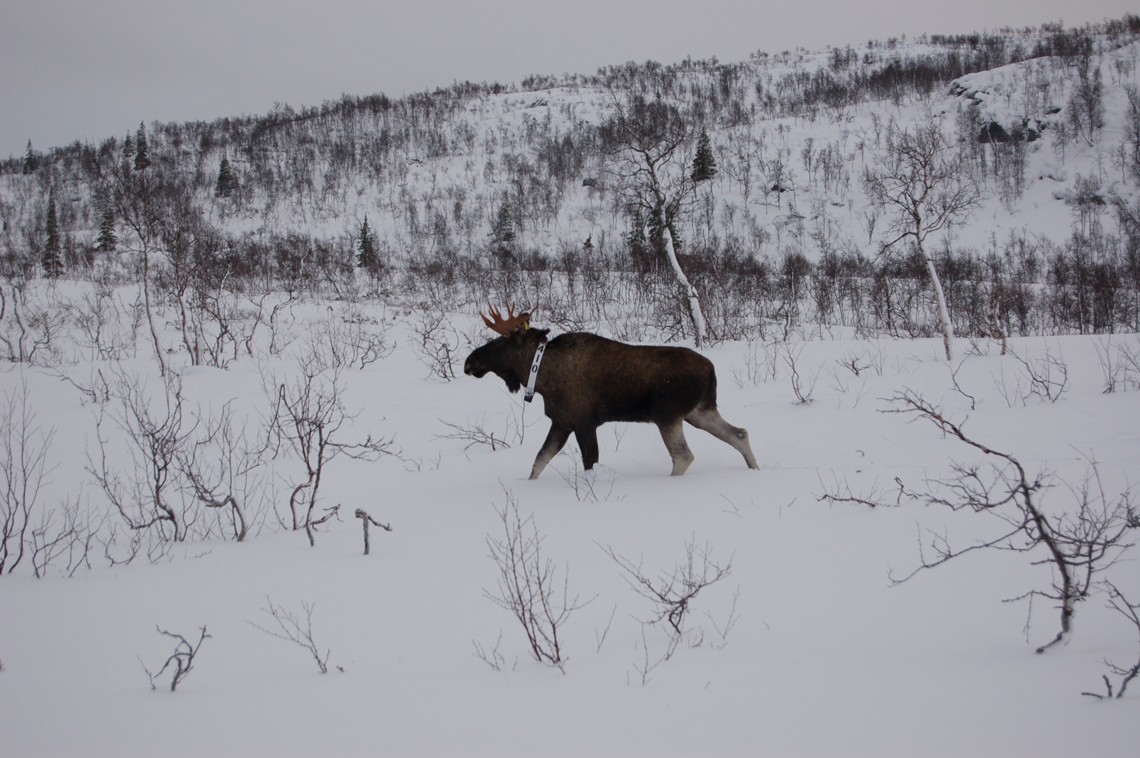
Migratory GPS-collared male moose in Trøndelag, Norway. Photo credit Christer M. Rolandsen
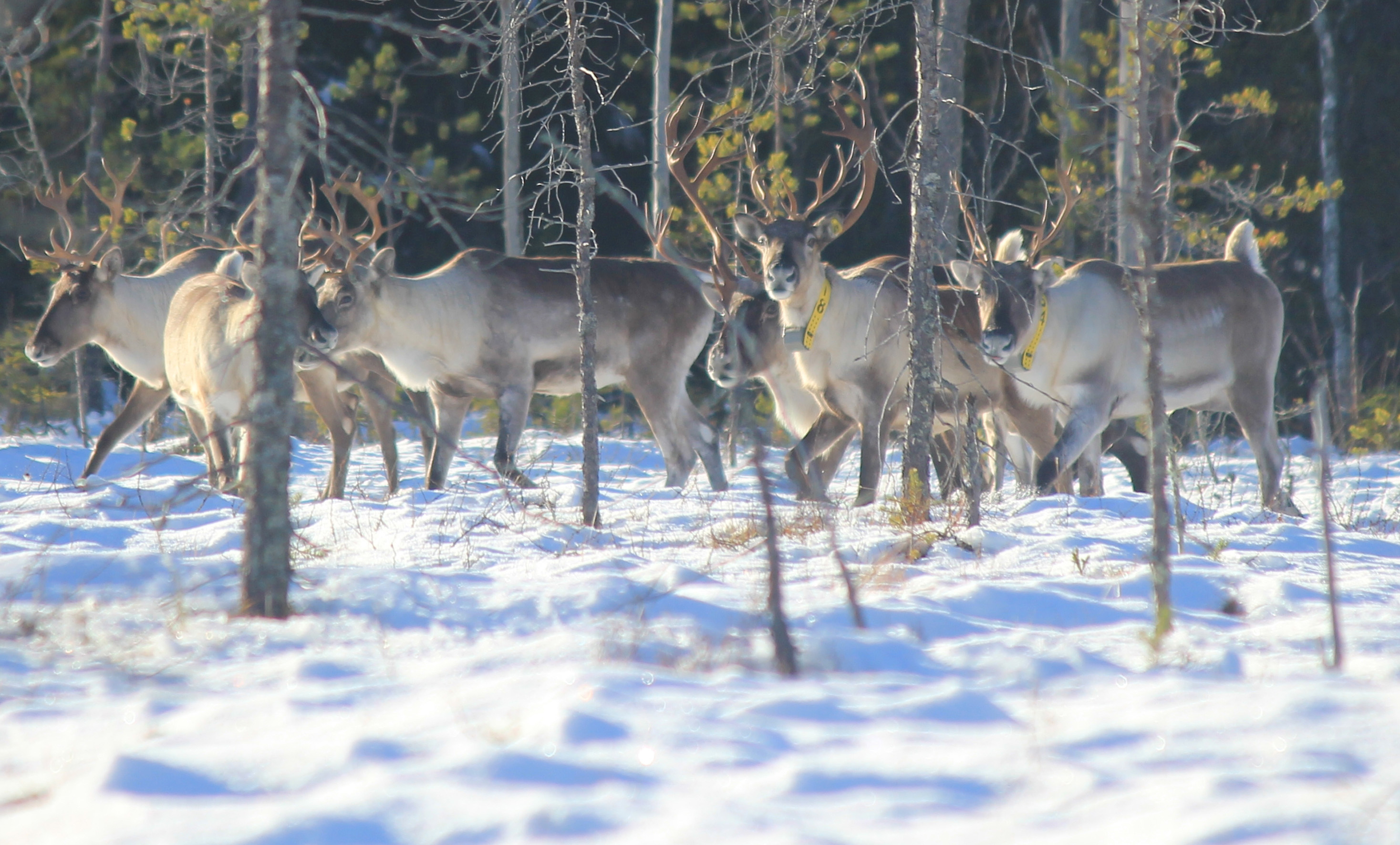
There is seasonal migration of wild forest reindeer from Finland to Russia. Their summer home ranges, and rutting and calving places in the territory of the Republic of Karelia that largely provide maintenance and recovery of the threatened population. The comingling of the wild forest reindeer populations of Finland and Karelia is an indispensable condition for the genetic diversity conservation of these animals. Photo credit Danila Panchenko
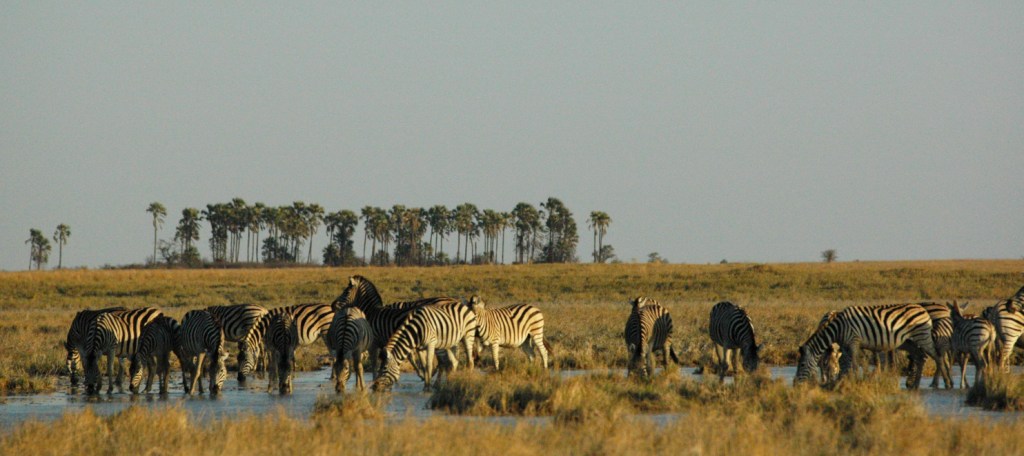
Migratory Makgadikgadi zebra in the Makgadikgadi grasslands. Photo Credit Bartlam-Brooks
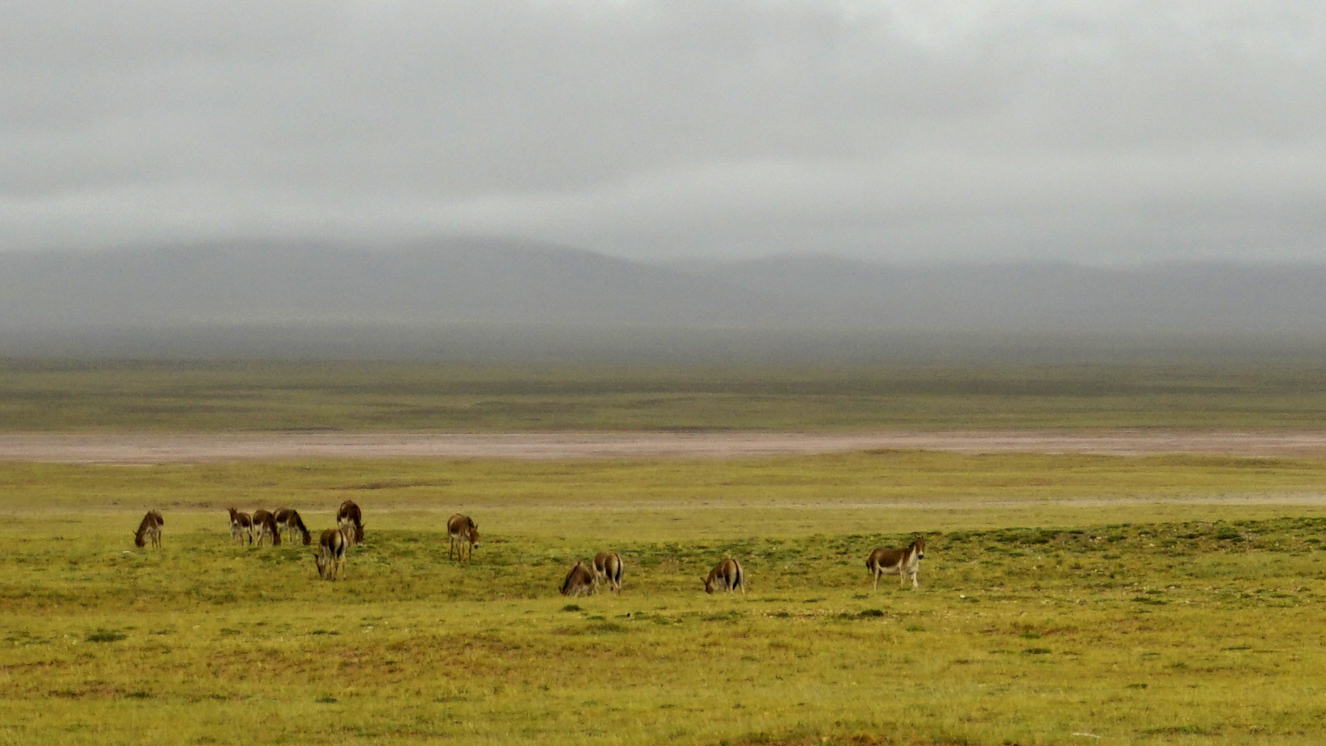
Kiang (Equus kiang) in Hoh-Xil Nature Reserve, China. Photo credit Wenjing Xu.
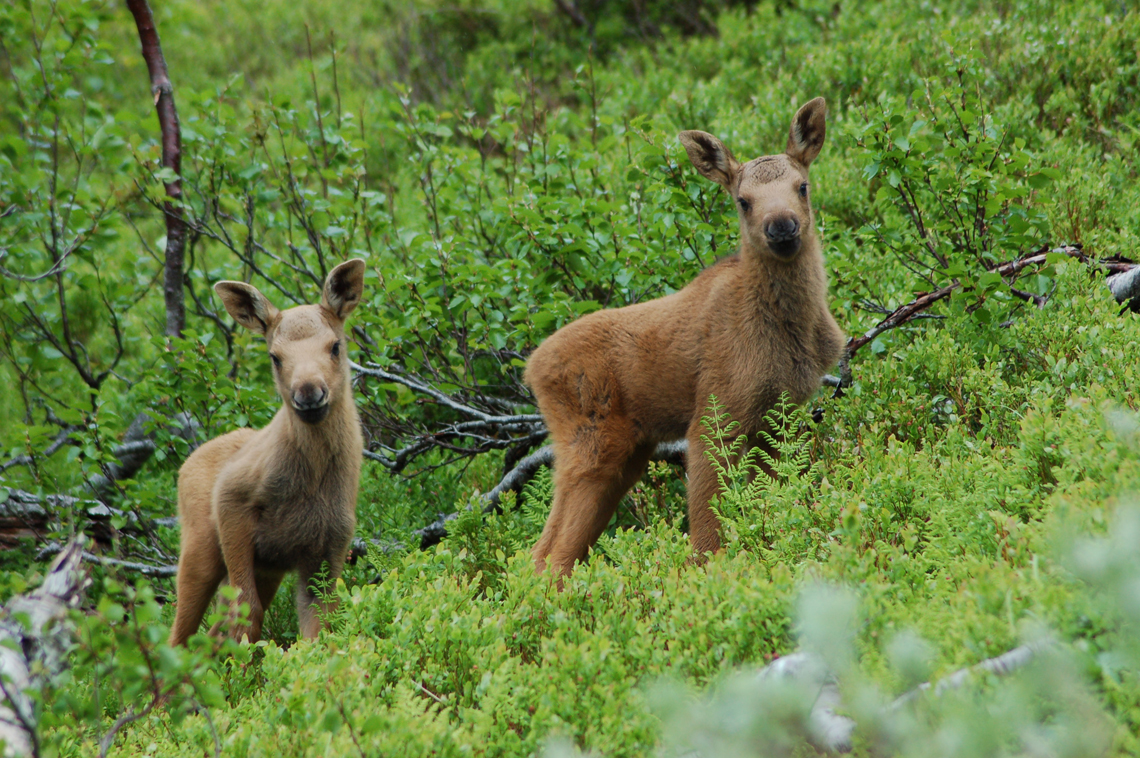
By examining the age, body mass, mortality and calf production of radio-collared moose, researchers study the potential benefits of migration. These twin calves were born by a migratory female moose in Trøndelag, Norway. Photo credit Christer M. Rolandsen
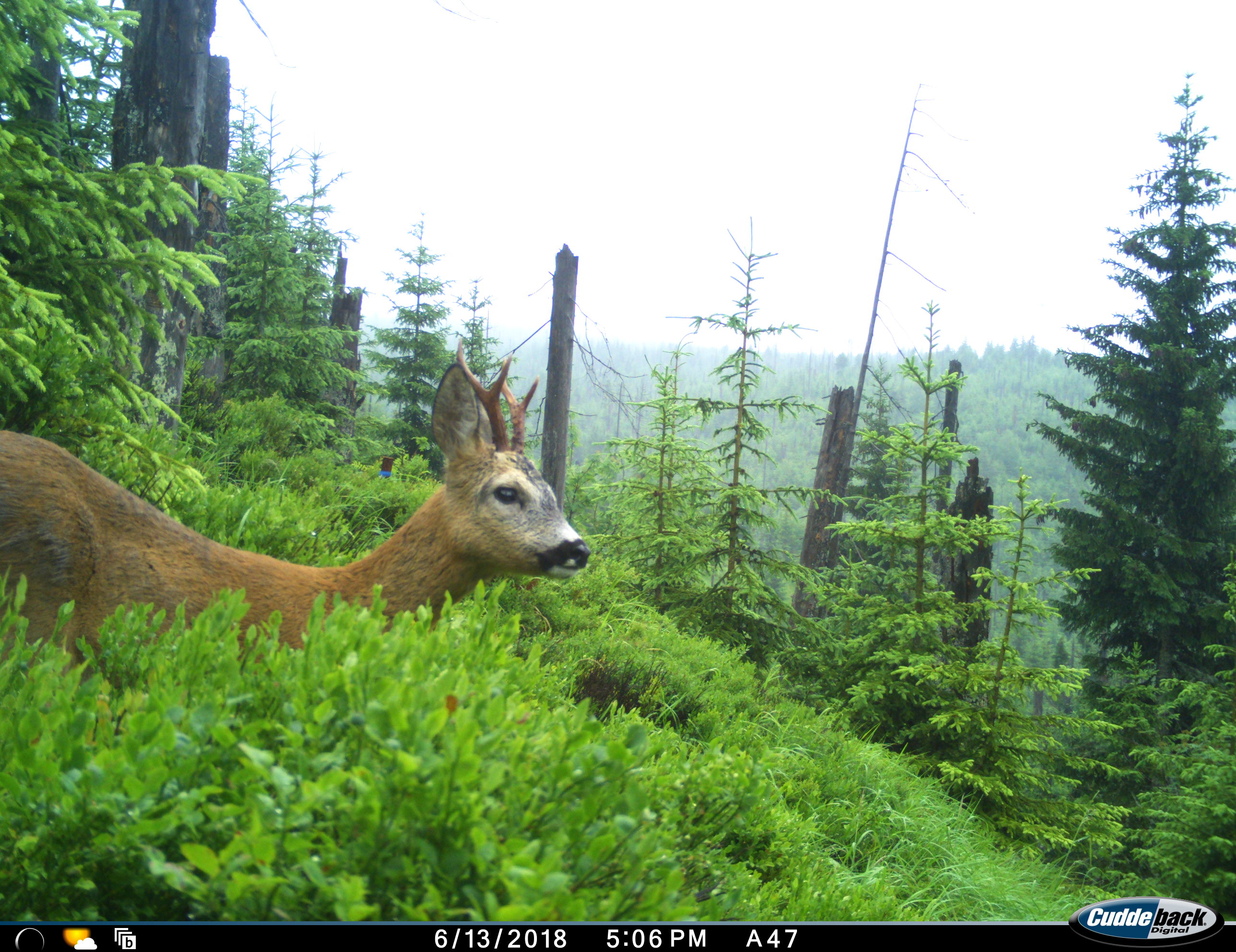
European roe deer buck (Capreolus capreolus) in the montane forests of Bavarian Forest National Park. These deer perform migrations of about 20 km, leaving the park to high areas with high hunting pressure (Bavarian Forest National Park). Photo Credit Heurich
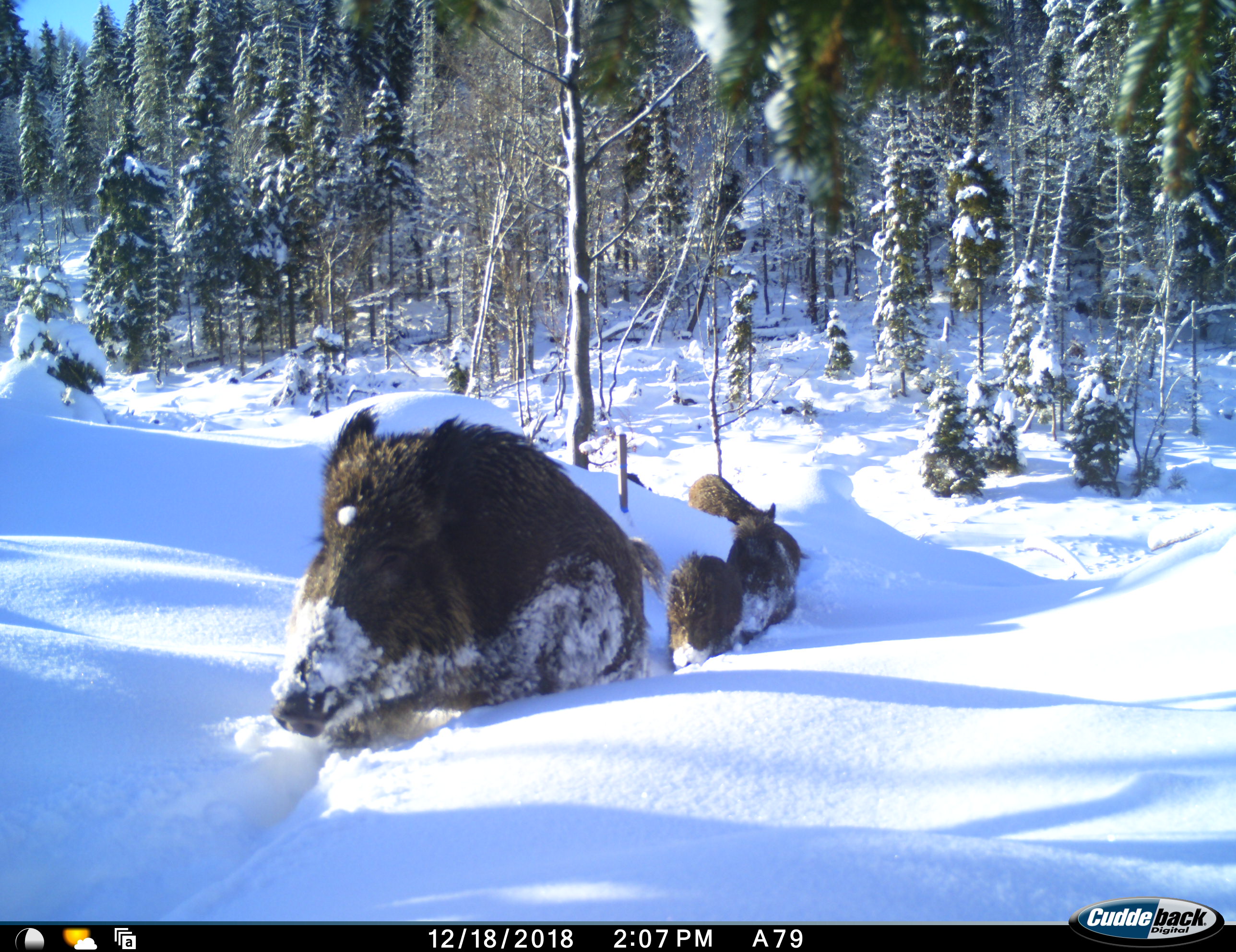
Wild boar (Sus scrofa) moving through deep snow. Snowpacks can reach up to 3 m in the Bavarian Forest National Park. It is unknown if wild boars are performing migrations under these conditions (Bavarian Forest National Park). Photo Credit Heurich
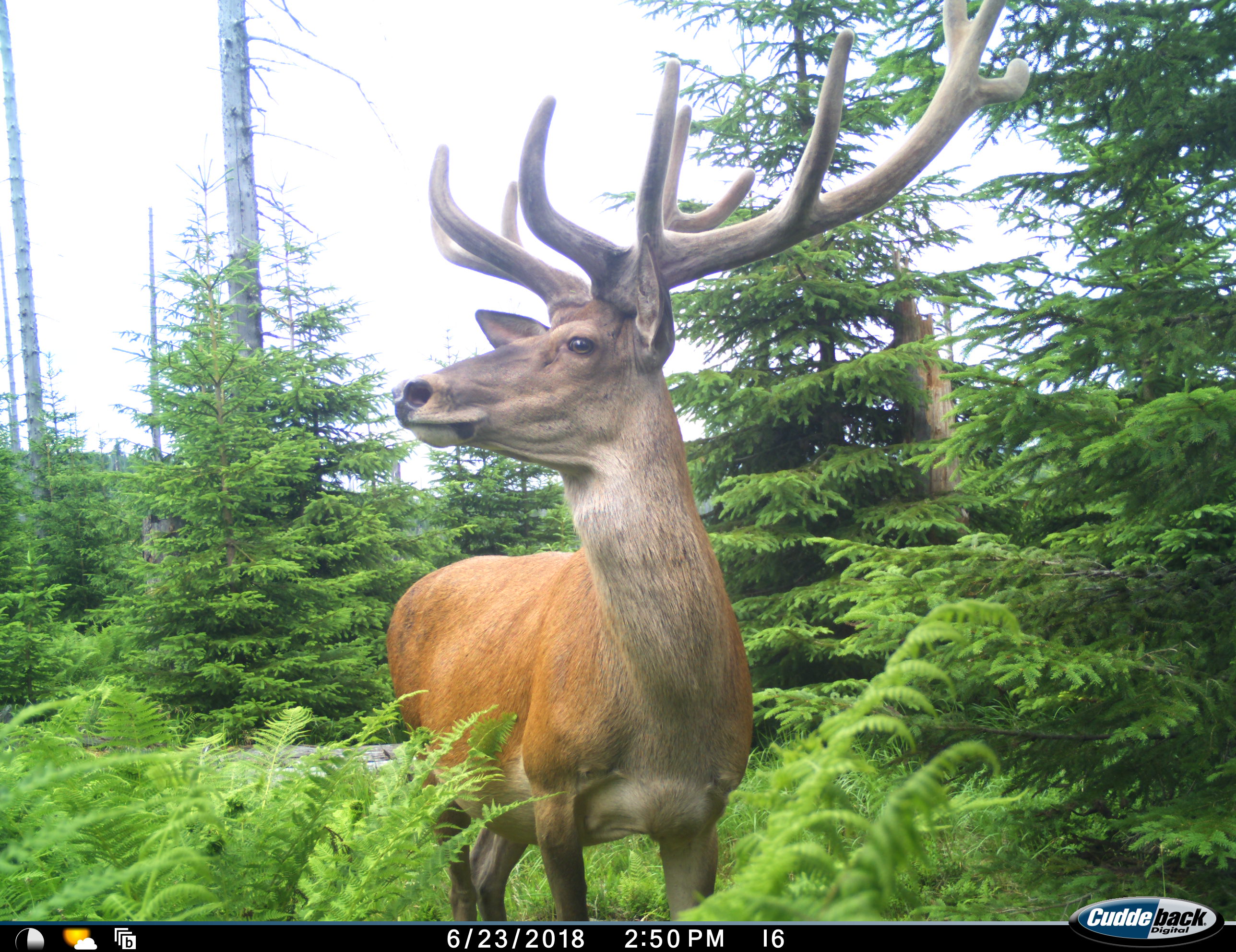
Red deer (Cervus elaphus) in the montane forests of Bavarian Forest National Park. Nowadays, this species' migrations are restricted to the National Park area but in historical times, the animals migrated to the Danube river, a distance of about 50 km which is not possible anymore because of hunting regulations(Bavarian Forest National Park). Photo Credit Heurich

Roe deer buck (Capreolus capreolus) in the Bavarian Forest National Park in summer (Rainer Simonis). Photo Credit Heurich
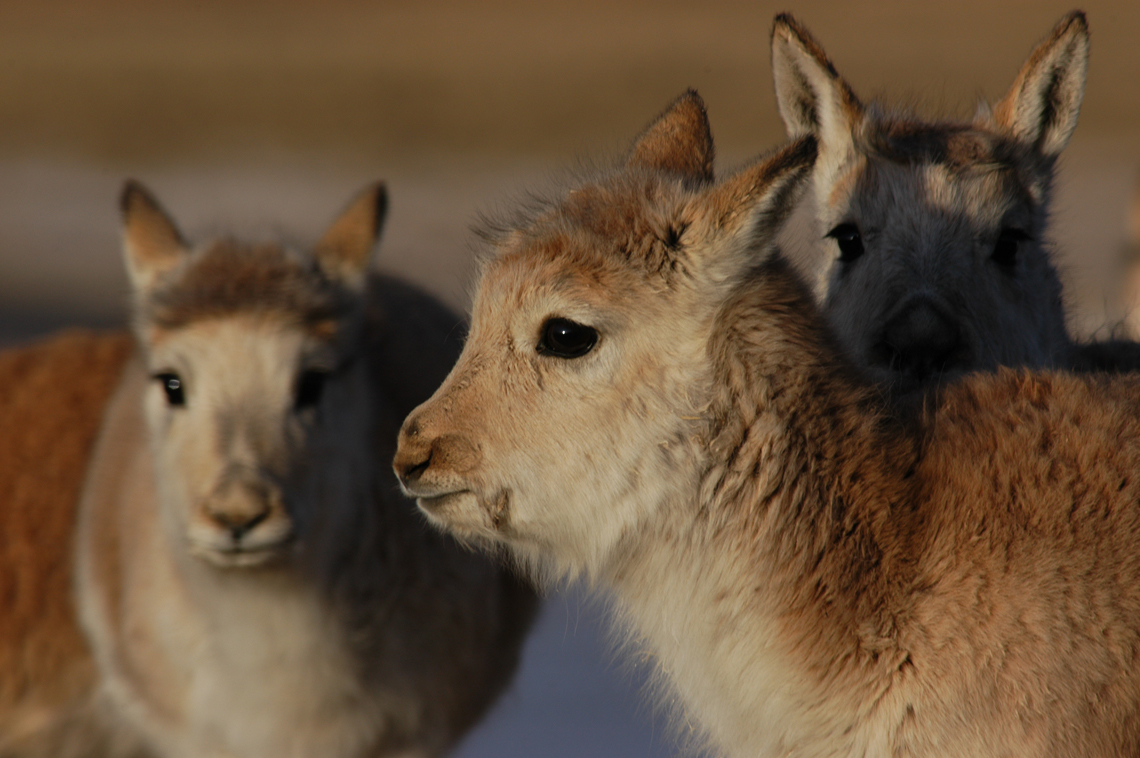
Tibetan antelope calves. Photo credit Nyanpo Yurtse Environment Protection Association

Adult male Tibetan antelope. Photo credit Nyanpo Yurtse Environment Protection Association