
Migratory Species and Wildlife Health
1. General Information - What is Wildlife Health?
Wildlife health can be defined as “the physical, physiological, behavioural, and social wellbeing of wild-living animals measured at an individual, population and wider ecosystem level, and their resilience to change” (Meredith et al., 2022). From this perspective, ’health’ in individuals and wider populations infers that the basic needs of individuals and populations are met and they are able to perform their usual functions. It infers that populations are resilient and have capacity to adapt to social, epidemiological or ecological change (Stephen, 2014). Wildlife health refers to the state in which wild animal populations are resilient and functioning within their ecosystems, with minimal disease burden and stress from environmental factors. It is shaped by a dynamic interplay of biological, environmental, and anthropogenic drivers. The health of wildlife is not only about coping with disease but also the capacity of populations to thrive, reproduce, and contribute to ecological balance. Wildlife health is critical to species conservation and ecosystem stability and plays a key role in ecosystem services that support all life.
The causes, epidemiology and impacts of wildlife disease are often under-researched, a situation exacerbated by limited surveillance and outbreak investigation. This reduces our ability to prepare for, prevent or mitigate disease risks across all sectors of wildlife, people and domestic animals. Framing wildlife disease primarily as an agricultural issue rather than a wildlife conservation concern has led to reluctance in leading on wildlife and ecosystem health, resulting in negative health outcomes across sectors.
Many wildlife health issues are under-detected or mischaracterised, limiting the development of robust and integrated approaches to wildlife and ecosystem health. There is an urgent need to strengthen national and global systems for wildlife disease surveillance, improve data sharing, and support coordinated outbreak responses.
1.1. Importance of Wildlife Health
The health of populations of wild animals is not only important for maintaining conservation status and resilience of ecosystems, but it is intrinsically linked to health of other sectors. This is most easily understood by considering infectious agents that can be transmitted between livestock, other domesticated or feral animals and wildlife and vice versa, as well as those pathogens which are zoonotic i.e. transmissible between animals and humans. More broadly, the health of wildlife populations is important for ensuring provision of ecosystem services and maintenance of resilient ecosystems which promote health across all sectors.
2. Drivers of Disease
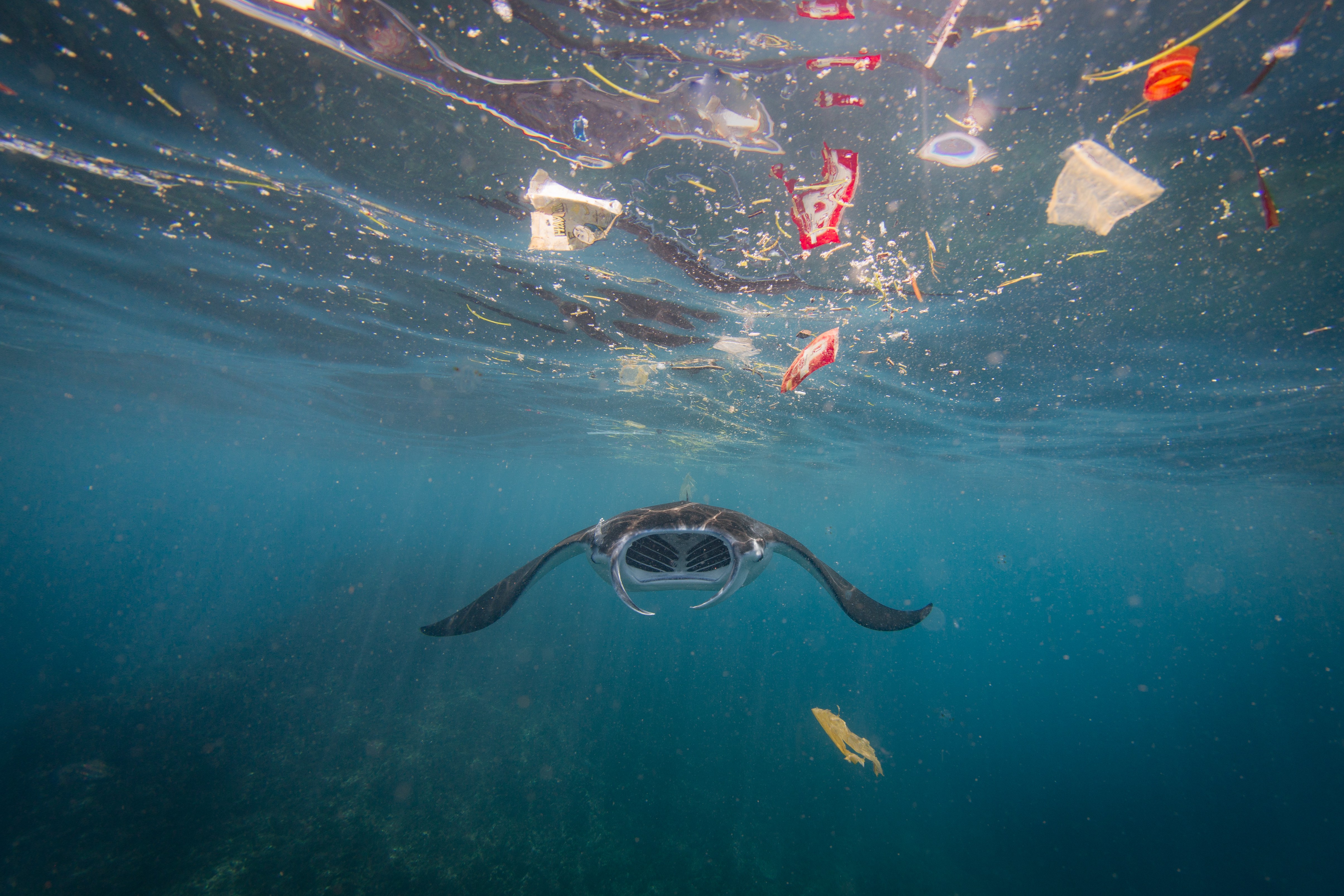
Manta ray feeding in waters polluted by plastics © Vincent Kneefel/Ocean Image Bank
Human-driven changes in ecosystems are drivers of population decline and are responsible for disease emergence in wildlife, livestock and people, which is exacerbating threats to migratory species. These drivers rarely act alone but can act synergistically increasing disease risks and stressors to wild populations.
- Habitat Loss, Degradation and Fragmentation
Conversion and loss of suitable habitats remove or degrades critical stop‑over, breeding and feeding sites for migratory species. Fragmentation reduces/ compromises ecological connectivity and leaves small, isolated sub‑populations with reduced genetic diversity and greater disease vulnerability. Examples include the Sahelo‑Saharan antelopes being confined to shrinking ranges, or shorebirds losing staging mud‑flats and arriving on Arctic breeding grounds in poor condition.
- Environmental Pollution
Lead from ammunition, agricultural pesticides, industrial chemicals, plastics and pharmaceutical residues are identified as priority toxic threats to migratory species. Beyond acute poisoning, sub‑lethal exposure can suppress immunity, disrupt hormones and impair reproduction, leaving populations more susceptible to disease. Examples include scavenging raptors poisoned by lead ammunition fragments, baleen whales ingesting microplastics, and top predators such as killer whales accumulating persistent organic pollutants.
- Pathogens and Parasites
Infectious diseases are now recognised as significant conservation threats in particular when wildlife populations are already under pressure which renders them more susceptible and less able to cope with their impacts. Emerging and re‑emerging infectious diseases in wildlife are often driven by agriculture and increasing wildlife–livestock–human interfaces. For example, bovine tuberculosis is known to spill‑over from livestock to African buffalo. Climate change and global trade are expanding pathogen ranges and exposing previously unaffected populations to novel infections.
- Climate Change and Extreme Events
Shifts in temperature and rainfall alter vector distributions, pathogen development rates and host susceptibility. More frequent heatwaves, storms and droughts cause mass mortalities and force atypical movements, increasing cross‑species contact. Examples of this are heat‑stress in flying‑foxes and the poleward expansion of tick‑borne pathogens affecting migratory passerines and other birds.
- Other Human Activities and Invasive Species
Expanding trade, wildlife markets, wildlife farming and tourism intensify direct and indirect contact, which facilitates two‑way pathogen exchange. Invasive non-native species can introduce novel pathogens and/or compete with native hosts already stressed by disease.
3. Migratory Species and Wildlife Health
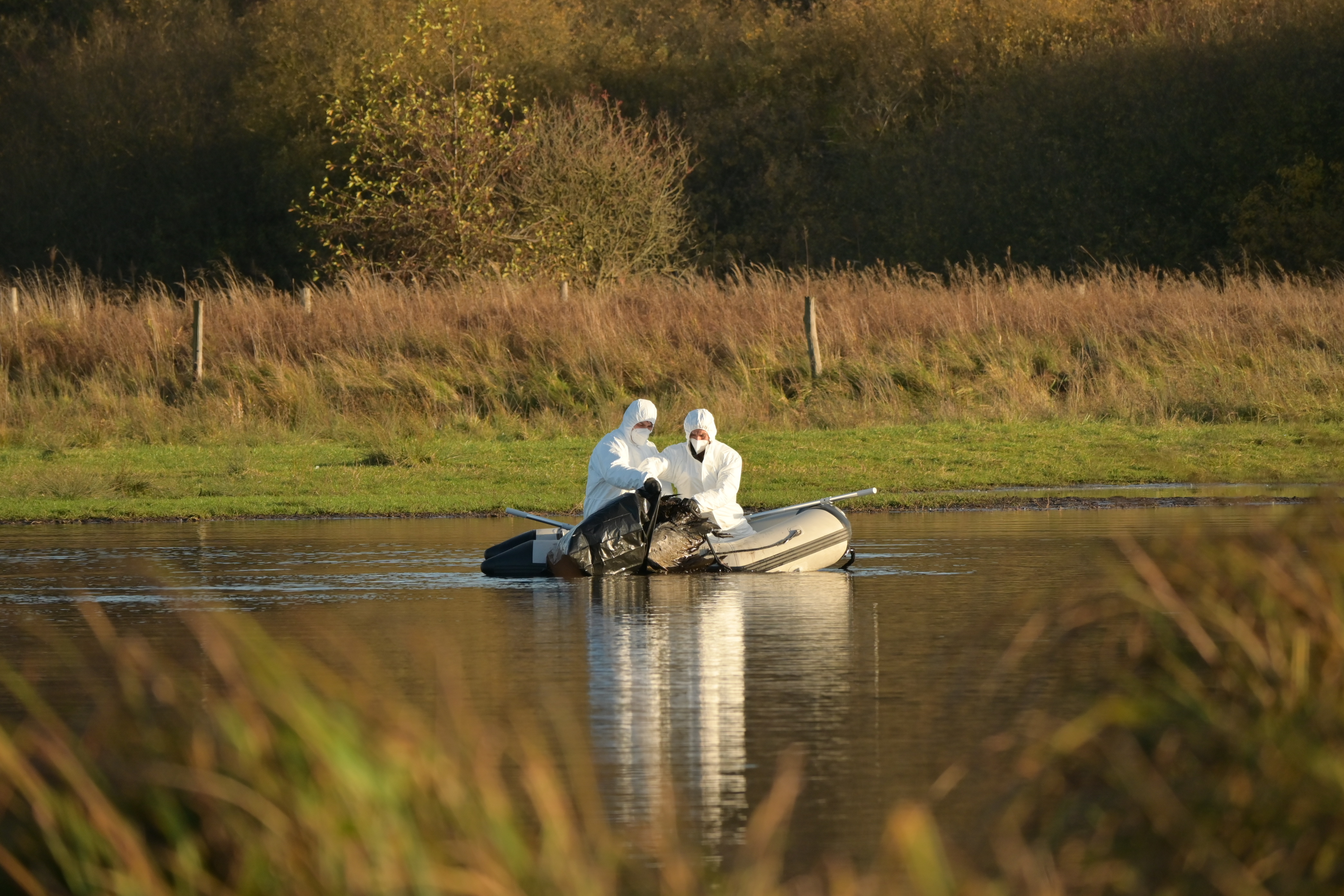
Recovery of dead Common Cranes that have died from avian influenza © Adobe Stock Images
In the context of migratory species, wildlife health is inherently linked to the ecosystems through which they travel. Migratory species depend on a network of healthy habitats across sometimes vast geographic ranges to complete their life cycles. They are uniquely exposed to multiple and cumulative risks, including disease transmission, environmental contamination, physical barriers, and climate-induced habitat changes and shifts, which may act to compound the challenges of maintaining healthy, resilient populations.
Migratory species are particularly vulnerable due to their reliance on geographically dispersed habitats and their exposure to a wide range of ecological conditions during their journey. Infections, toxins, pollutants and anthropogenic trauma commonly compromise the health of migratory species. In small, fragmented populations pressures can have significant impacts on survival and conservation status.
In connecting vast ecosystems, migratory species can act as sentinels of environmental change and disease emergence. However, this also renders them vulnerable to both the introduction and spread of pathogens. Ensuring the health of migratory species is essential not only for biodiversity conservation, but also for safeguarding ecosystem functions and mitigating public and livestock health risks.
Effective conservation and health management for migratory species requires international cooperation, harmonised surveillance systems, and approaches that bridge wildlife, environmental, and health sectors. Maintaining and restoring ecological connectivity across migratory routes, reducing exposure to risk drivers, and embedding wildlife health in national biodiversity strategies are key actions to protect migratory species and their ecosystems.
4. CMS and Wildlife Health
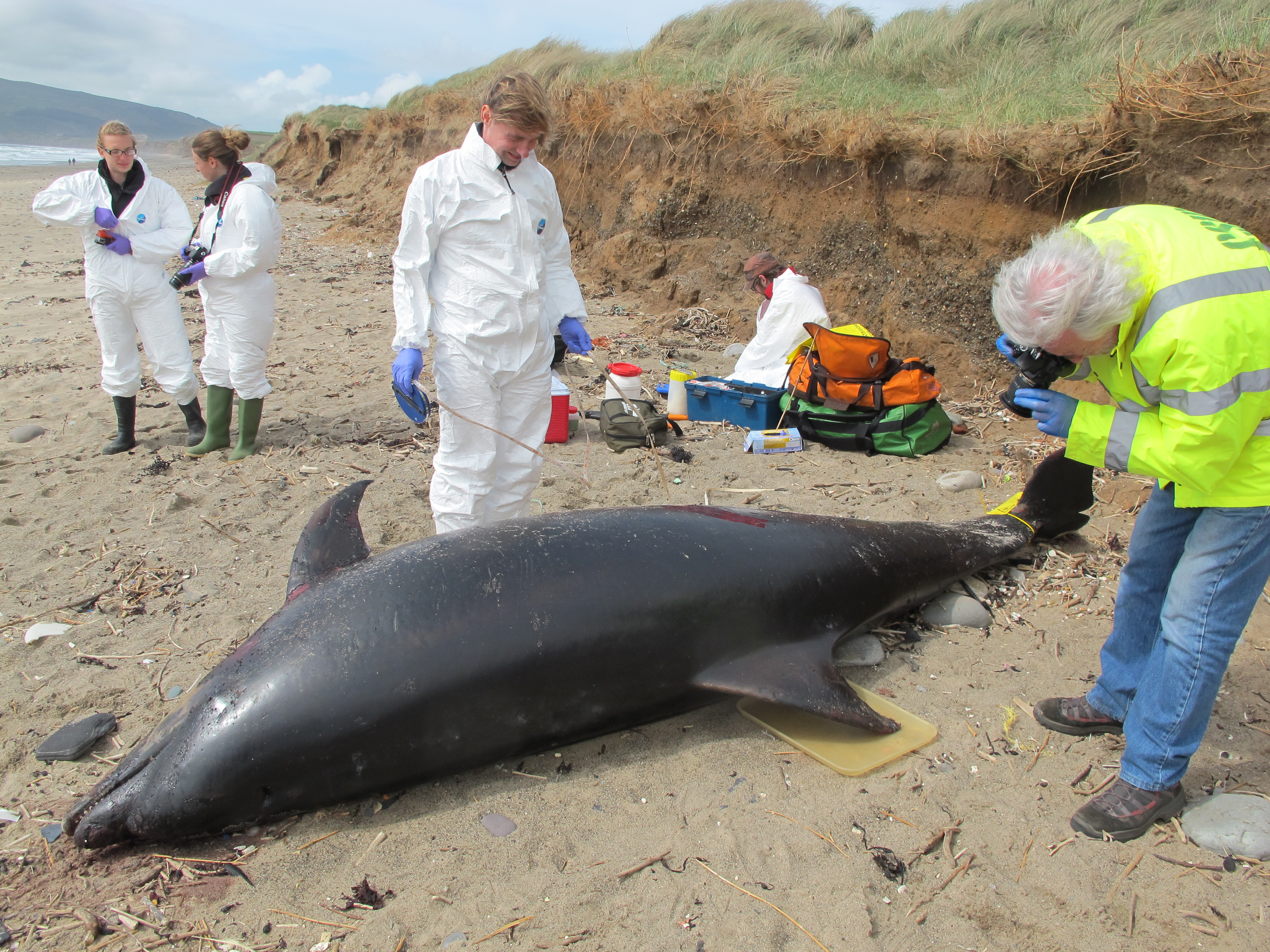
Bottlenose dolphin (Tursiops truncatus) examination - national wildlife health strategies are encouraged, noting the important role they play in successful One Health approaches. Understanding wildlife health via robust surveillance and investigation programmes enables preparedness, supporting contingency planning, early warning systems and risk assessments. © CSIP -ZSL
The Convention provides multiple mandates that directly address the determinants of health, so CMS’s work on a wide range of issues such as habitat restoration, climate change, light pollution, pastoralism and connectivity directly impact the health of wildlife.
The Convention’s focus on health supports the achievement of Target 3.1 of the Samarkand Strategic Plan for Migratory Species 2024–2032. However, CMS has worked on wildlife disease since COP8 in 2005. Since that time broader perspectives on health have been the subject of resolutions and initiatives of the Convention. These are consolidated in Resolution 12.6 (Rev.COP14) Wildlife Health and migratory species. This Resolution underscores the need for tackling drivers of ill health as well as coordinated and international efforts to monitor, prevent, and respond to health threats affecting migratory species. It also calls for the integration of wildlife health considerations into CMS instruments and implementation processes.
COP14 also adopted the CMS Migratory Species and Health Review, which provided an exploration and analysis of the importance of the health of migratory species and made key recommendations for improving health of wildlife thus benefitting all sectors. This work has provided a solid foundation for further CMS work including that of the Working Group on Migratory Species and Health.
COP14 further adopted Resolution 14.18 Avian Influenza, highlighting the spread of the disease in wildlife and key actions needed for its mitigation to reduce risks and aid the recovery of affected avian and mammalian species. The Scientific Task Force on Avian Influenza and Wildlife, initiated in 2005 and jointly co-convened by CMS and FAO, brings together the best scientific advice on the conservation impacts of the spread of avian influenza, as well as improving understanding of the role of migratory birds in the epidemiology of the disease. It also issues guidance on reducing practices that increase risk, as well as on measures that can be taken to combat the disease and increase the likelihood of recovery.
CMS has had a specific focus on poisoning of migratory species since COP10 and adopted Resolution 11.15 (Rev.COP14) Preventing poisoning of migratory birds which focuses on poison baits, pesticides, lead from ammunition and fishing weights and veterinary pharmaceuticals. These poisons significantly affect migratory species in particular raptors, waterbirds and passerines and the adopted guidelines provide guidance on tackling these issues.
The CMS Working Group on Migratory Species and Health was operationalised after COP14 (in reference to Resolution 12.6 (Rev.COP14)) to provide a mechanism to increase attention to these issues, define a key role for CMS as understanding of the role of the environment in health grows, and advise Parties on how to promote health and reduce risks of harms across the board. The Working Group contributed to development of two reports:
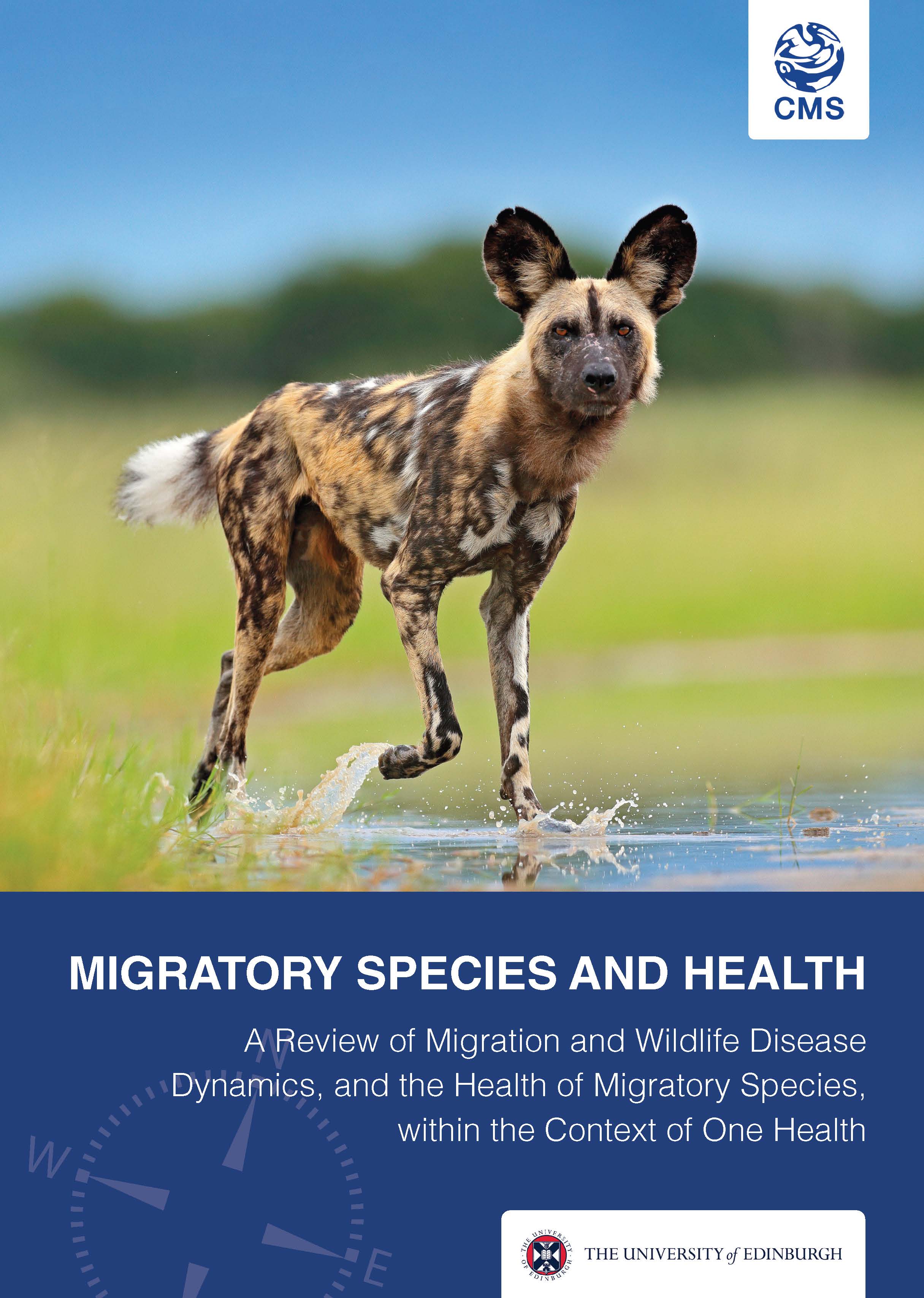
2024 REPORT
Migratory Species and Health: A Review of Migration and Wildlife Disease Dynamics, and the Health of Migratory Species, within the Context of One Health
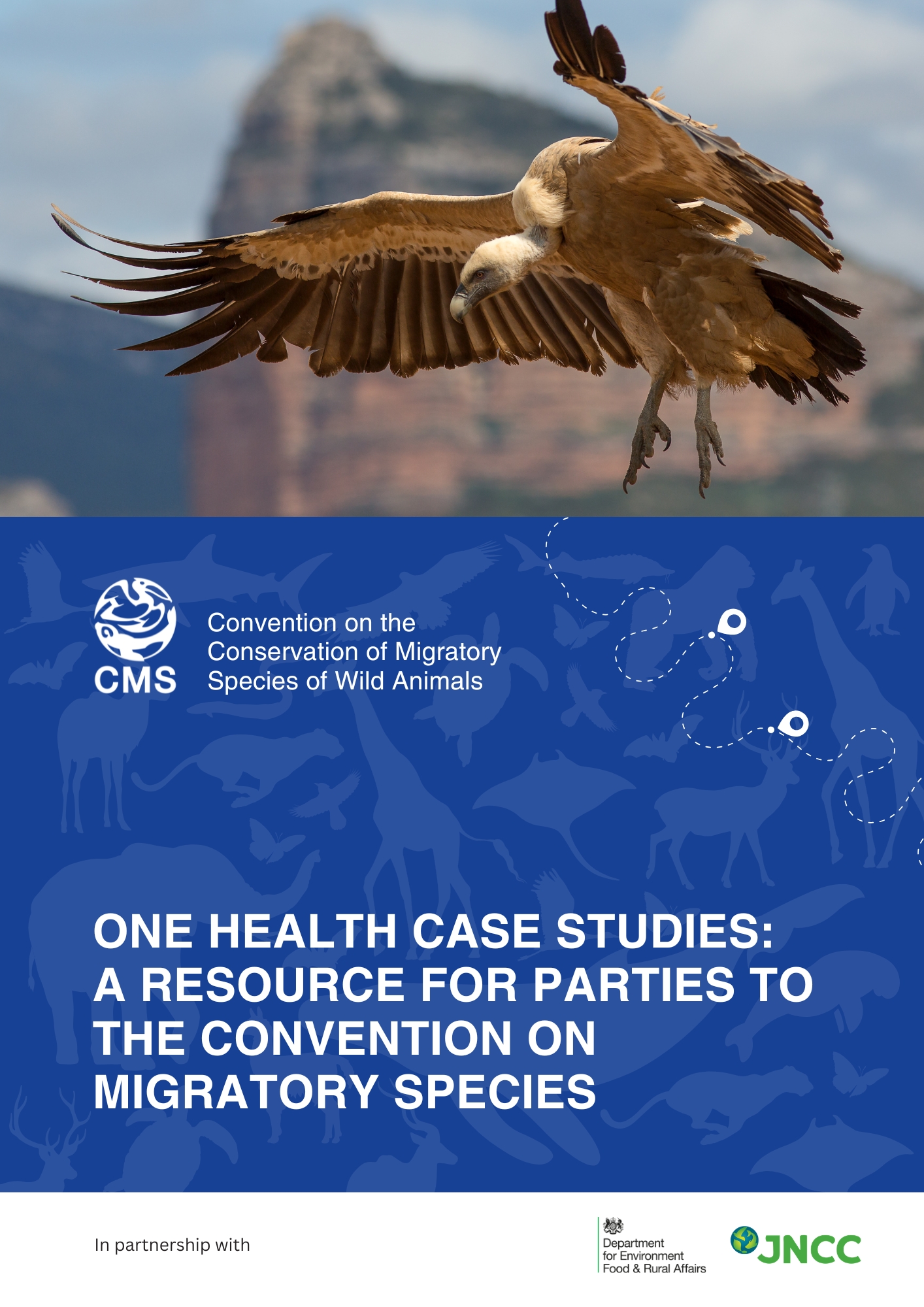
NEW REPORT
One Health Case Studies: A Resource for Parties to the Convention on Migratory Species
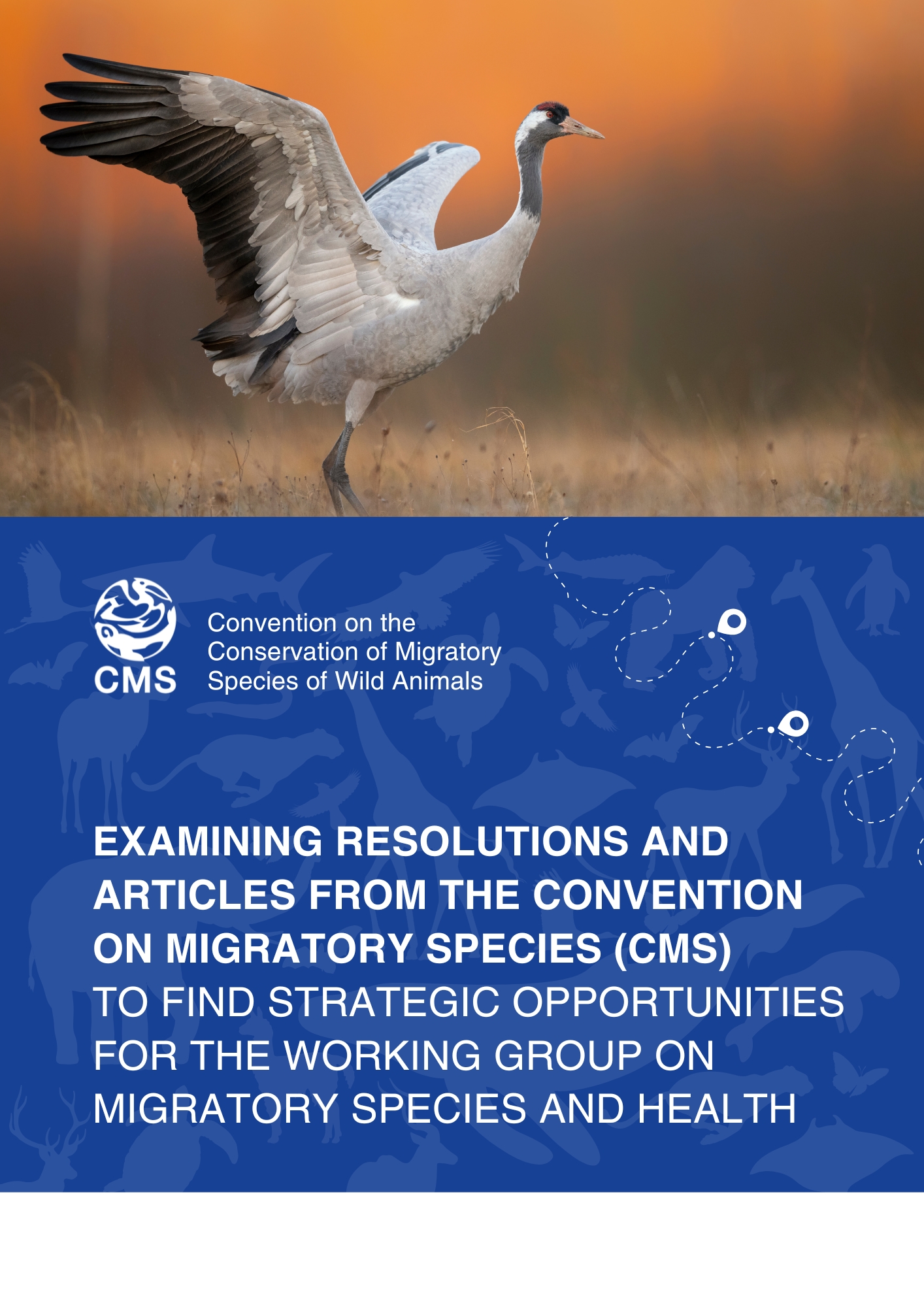
NEW REPORT
Examining Resolutions and Articles from the Convention on Migratory Species (CMS) to find strategic opportunities for the Working Group on Migratory Species and Health
5. One Health
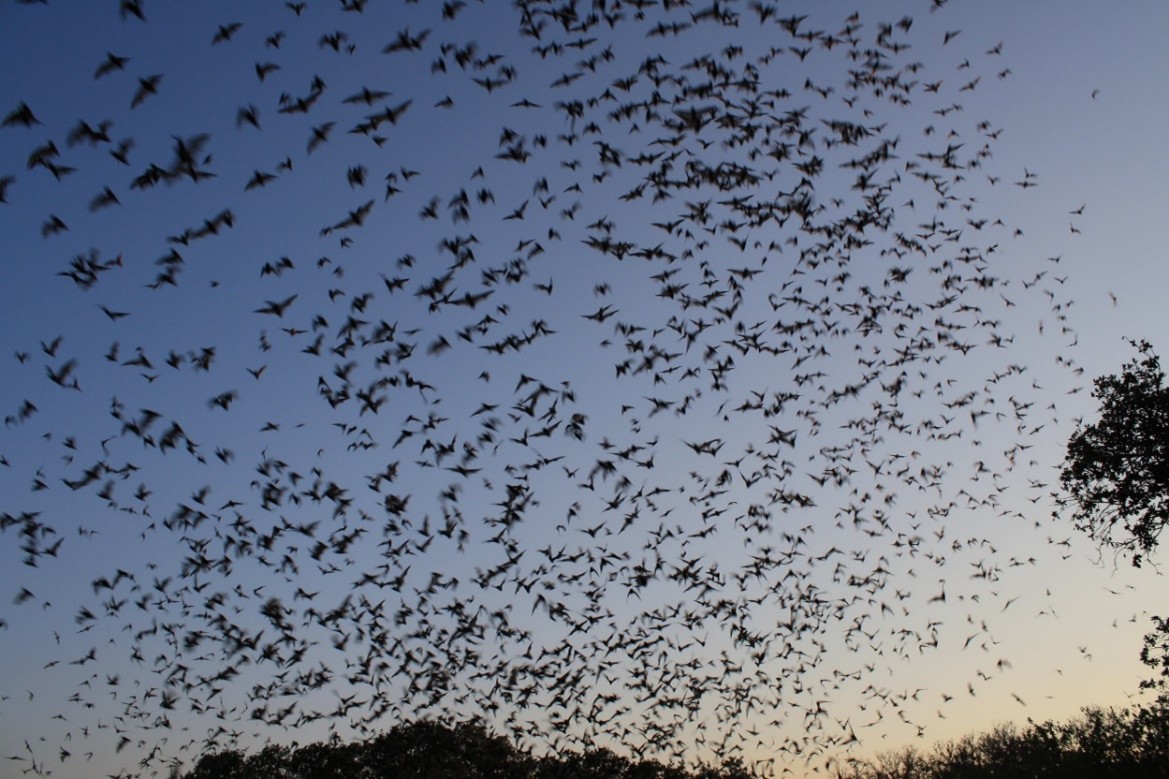
Mexican free-tail bats (Tadarida brasiliensis) leaving the largest bat colony in the world, Bracken Cave, USA © USFWS/Ann Froschauer
The recognition of the interconnectedness of the health of humans, animals (both wild and domestic), and the environment has led to the mainstreaming of One Health approaches.
Definition (as adapted from OHHLEP, 2023):
One Health can be defined as an integrated, unifying approach that aims to sustainably balance and optimize the health of people, animals and ecosystems.
- It recognizes that the health of humans, domestic and wild animals, plants, and the wider environment (including ecosystems) are closely linked and inter-dependent.
- The approach mobilizes multiple sectors, disciplines and communities at varying levels of society to work together to foster well-being and tackle threats to health and ecosystems, while addressing the collective need for clean water, energy and air, safe and nutritious food, taking action on climate change, and contributing to sustainable development.
Key underlying principles include:
- equity between sectors and disciplines;
- socio-political and multicultural parity (the doctrine that all people are equal and deserve equal rights and opportunities) and inclusion and engagement of communities and marginalized voices;
- socioecological equilibrium that seeks a harmonious balance between human–animal– environment interaction and acknowledging the importance of biodiversity, access to sufficient natural space and resources, and the intrinsic value of all living things within the ecosystem;
- stewardship and the responsibility of humans to change behaviour and adopt sustainable solutions that recognize the importance of animal welfare and the integrity of the whole ecosystem, thus securing the well-being of current and future generations; and
- transdisciplinary and multisectoral collaboration, which includes all relevant disciplines, both modern and traditional forms of knowledge and a broad representative array of perspectives.
The One Health concept emphasises that intact, healthy ecosystems are foundational to preventing disease emergence and spread. Conversely, environmental degradation can increase the risk of outbreaks and amplify stressors that compromise immune function and health in wildlife. Controlling disease once it has emerged can be very challenging due to the complexity of many wildlife diseases and the ecological context within which they operate. Proactive, upstream interventions are more effective than addressing human, animal and ecosystem health problems only once they occur. The One Health approach aims to sustainably balance and optimise health management. It has become an integrated and unifying approach to health, including to address emerging infectious diseases, and is endorsed by multiple national and international organizations and intergovernmental agreements.
6. Solutions for Promoting Wildlife Health
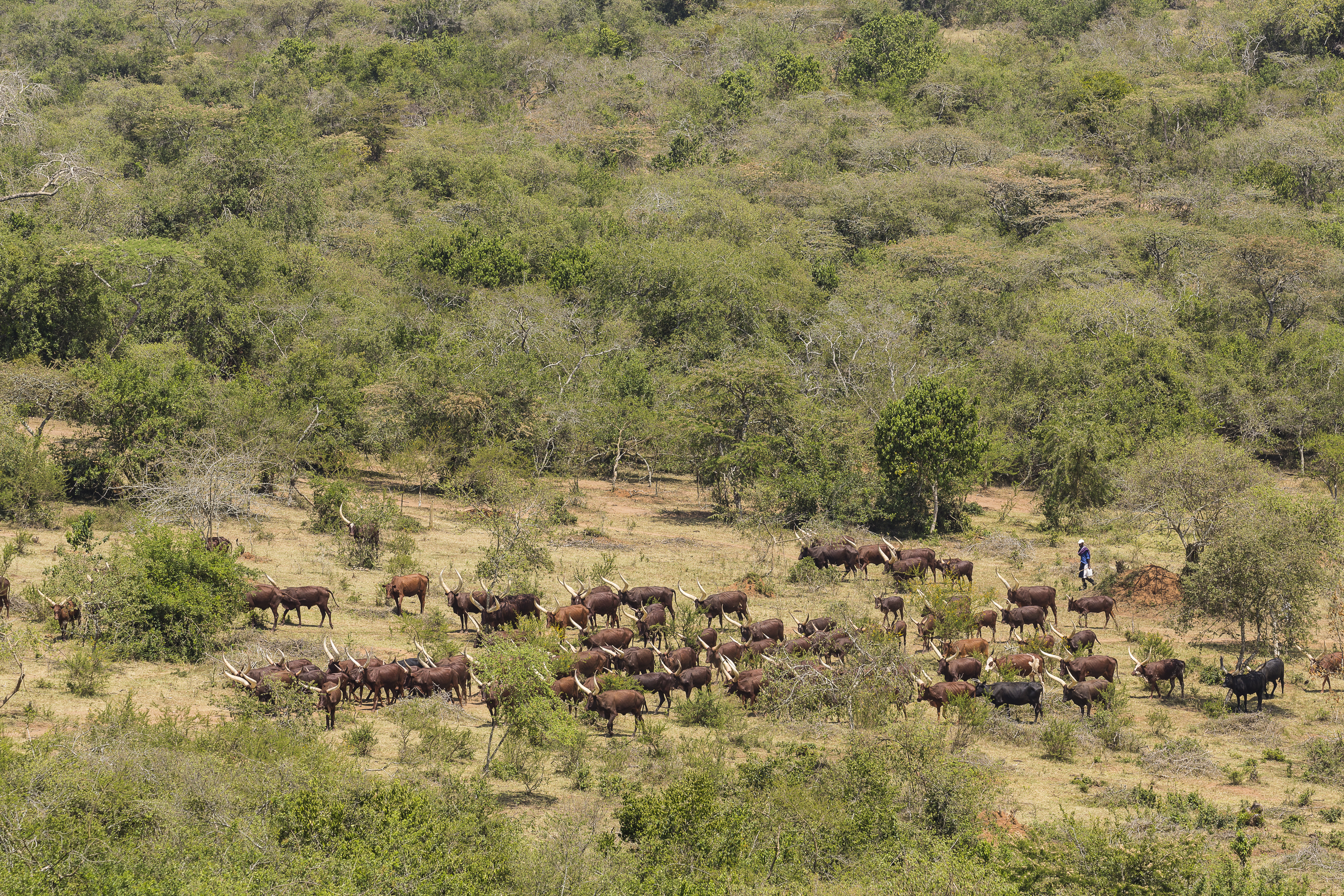
Livestock-wildlife interfaces create disease risks to both sectors. At these interfaces infectious agents can be transmitted in either direction between the two, particularly where there is a close phylogenetic relationship. Some indigenous breeds of livestock, including these Ankole cattle, exhibit greater disease resistance than exotic breeds © Sergey Dereliev
- 1. Tackling key drivers of disease emergence
It is important to recognize the commonalities between the drivers of both migratory species population decline and disease emergence. As such, urgent enhanced actions are required to address the drivers of population decline, including through climate change mitigation and adaptation; reducing habitat loss, fragmentation and degradation; limiting pollution; reducing overexploitation; preventing the spread of invasive non-native species; and addressing high-risk agricultural and aquacultural practices. Addressing these drivers of disease emergence will reduce threats and pressures on wildlife and ecosystems and is key to limiting ill-health and improving resilience to disease across sectors.
- 2. Enabling frameworks for health
Implementation of the Sustainable Development Goals would significantly enhance the health of people, animals and the environment worldwide. One Health and ecosystem approaches appreciate the interconnectivity of health between wildlife, livestock and people, and are essential for maximizing health across sectors. However, One Health approaches can often be anthropocentric, with insufficient attention on promoting the health of wildlife. They should instead be used to promote equitable decision-making about health management, appreciating that promoting the health of wildlife reduces risks to humans and their interests as well as bringing conservation benefits.
One Health approaches require multisectoral and transdisciplinary collaboration and appropriate organizational structures and communication. These approaches should be promoted and enhanced at the national level, along with cooperation at the international level, in order to prevent and respond to wildlife health threats.
Preventative approaches are both cost-effective and necessary to safeguard health in migratory wildlife, domestic animals and people. They should be a key feature of any future pandemic instrument being negotiated under the auspices of WHO. The role of those involved in biodiversity conservation and sustainable livelihoods should therefore be recognized for and actively supported in their contribution to health across all sectors. The role of UNEP in the FAO UNEP WHO WOAH Quadripartite is warmly welcomed.
- 3. Managing interfaces and infectious diseases
Livestock-wildlife interfaces created by, for example, agricultural development and expansion into wild areas, are particularly problematic for infectious agent transmission and emergence. There should be a focus on ensuring effective protection of well-connected natural habitat and minimizing fragmentation to reduce ‘edge effects’ where transmission of infections could occur.
Effort should be taken to better manage livestock to reduce risks for the benefit of all. Measures include:
a) Improving biosecurity, livestock vaccination, and planning of both the location and nature of livestock management.
b) Reassessing and reducing dependence on intensive livestock production systems that present particular threats to human and wildlife health. Reducing consumption of animal protein from these systems is desirable, both from an environmental and wildlife health perspective.
c) Using resilient, adaptive local breeds of livestock that pose a lower risk in terms of pathogen spillover and spillback.
Robust efforts should be made to prevent additional sources of pathogen pollution/introduction to wildlife and their environment, always recognizing the value of robust risk assessments and preventative approaches. These sources include feral animals, traded plants and animals, non-native species and animals released for game, conservation or other purposes. Additionally, practices within live animal market systems that pose a high risk of pathogen transfer and drive pathogen evolution should be reduced or improved through enhanced management.
- 4. Tackling non-infectious disease
In addition to tackling the overarching drivers of disease emergence, measures to minimize non-infectious causes of wildlife mortality include:
a) Taking action to reduce and mitigate pollutants and poisons, particularly where regulatory restriction and/or enforcement is required to prevent release or use of pollutants and poisons at source.
b) Mitigating human-induced injury of wildlife from infrastructure and other human developments and activities.
c) Removing barriers to migration such as habitat fragmentation, or physical barriers that can result in death through undernourishment.
d) Considering the effects of nutritional deficits and stressors in terms of resilience to other diseases when planning changes to land use or altering habitats.
- 5. Improving institutional preparedness, planning and response
Rather than viewing animal health as the sole responsibility of agriculture ministries, environmental authorities within governments also need to fully engage in wildlife health and recognise their role in promoting ecosystem resilience and positive health outcomes across sectors, including human pandemic prevention.
The development of national wildlife health strategies is encouraged, noting the important role they play in successful One Health approaches.
The health of migratory populations can be protected and fostered by strengthening wildlife health systems. These comprise the expertise, resources and organizational structures that enable effective planning, and disease surveillance, diagnosis and management. Building this capacity is relatively inexpensive compared to the potential costs associated with reactive management of disease outbreaks.
Governments, their agencies, and all those with responsibility for managing wildlife are encouraged to carry out contingency planning during times without outbreaks (‘peacetime’), ensuring that all relevant stakeholders are involved. This will not only help prevent wildlife health problems occurring in the first place but also facilitate swift and appropriate responses in emergency situations. It will also minimize the adverse impacts of disease outbreaks and guard against inappropriate control measures such as lethal responses.
Robust wildlife health surveillance, with conservation (in parallel to livestock protection) as a key goal, is required to support contingency planning, early warning systems and risk assessments. Ecological and population monitoring should be integrated into surveillance systems so that the epidemiology and impacts of disease can be better understood. Thorough investigations of outbreaks of wildlife disease are needed to help inform epidemiological understanding and assist in future disease planning to minimize impacts across health sectors.
Improvements are needed in wildlife diagnostics, including increased capacity in testing facilities. Additionally, it is important to prevent delays in diagnosis and research caused by regulatory limitations on transporting diagnostic and research specimens across national boundaries.
- 6. Filling knowledge gaps and prioritisation
In line with Article II.3.a) of the Convention, Parties should promote, cooperate in and support research relating to migratory species in the context of disease. Efforts should be made to address the significant gaps in our knowledge of the epidemiology and drivers of many diseases of migratory species. Research and resourcing should be targeted at priority health threats to migratory species, and particularly to species with a poor conservation status.
- 7. Improving reporting and information sharing
Global disease information and reporting systems for wildlife are essential for early warning as well as other aspects of disease control. These systems require further improvement to ensure rapid reporting and inclusion of contextual epidemiological and environmental information to better inform understanding of disease events and their conservation impacts. Timely information and data sharing on wildlife health issues between nations is encouraged, to enable early warning and risk assessments for management decision-making.
- 8. Using information sources for wildlife health
Guidance on managing wildlife health and responding to diseases is available, and those with responsibilities for wildlife are encouraged to use it and adapt it for national and specific settings.
7. Sustainable Development Goals

- SDG 2 – Zero Hunger
SDG 2 aims to end hunger, achieve food security, improve nutrition, and promote sustainable agriculture. Wildlife health is essential for this, as it supports ecosystem functions critical to food production, including pollination, maintenance of soil fertility, seed dispersal, and pest regulation. At the same time, wildlife diseases can threaten livestock, and overall food security, particularly in regions strongly relying on animal husbandry or wild meat. Protecting wildlife health therefore secures ecosystem services that provide essential resources while reducing risks that stem from wildlife diseases.
- SDG 3 – Good Health and Well-being
SDG 3 aims to ensure health and well-being for all, including ending communicable diseases by 2030 and achieving universal health coverage. Because the health of humans, animals (wild and domestic), and the environment are highly interconnected, the One Health concept provides a holistic solution for the benefits of all. SDG 3 particularly reflects the human health component of the One Health approach. Promoting wildlife health is essential to protect human health and well-being, among others by reducing spill-over risks of pathogens from wildlife to humans and by recognizing the importance of wildlife as a safe and valuable resource.
- SDG 6 – Clean Water and Sanitation
SDG 6 aims to ensure the availability and sustainable management of water and sanitation for all, including access, sanitation, hygiene, and improved water-use efficiency in response to climate-driven water stress. Clean and sufficient water supports both human well-being and wildlife health, and consequently healthy and resilient ecosystems. Wildlife depends on clean and available freshwater systems for drinking water, habitat, breeding and food resources, and in turn contributes to maintaining water quality and ecosystem functioning through vegetation control and nutrient cycling. Protecting wildlife and their habitats therefore supports sustainable water resources for people while reinforcing ecological conditions essential for wildlife survival.
- SDG 11 – Sustainable Cities and Communities
SDG 11 aims at to create safe, resilient and sustainable cities, especially given the rapid urbanization and intensification of urban vulnerabilities through climate threats. Wildlife health may be threatened by expanding urban areas, while sustainable urban planning can help maintain green and blue spaces, reduce habitat fragmentation, and minimize human-wildlife conflict. Protecting wildlife health strengthens the ecological foundations of sustainable cities providing well-being benefits for people, while sustainable cities create safer, healthier environments for wildlife.
- SDG 13 – Climate Action
Climate Action is essential to remain within global warming limits, reach net-zero emissions by 2050, and secure a liveable, sustainable future. Healthy wildlife populations play a vital role in strengthening climate resilience and regulation. By maintaining vegetation structure and soil health, species such as large herbivores, marine mammals, and forest wildlife support carbon storage and sequestration across forests, grasslands, and peatlands. Thriving wildlife also increases ecosystem resilience, helping ecosystems recover more quickly from climate impacts like fires, droughts, and storms. Through processes such as seed dispersal, grazing, and nutrient cycling, wildlife stabilizes climate feedback loops and prevents ecosystem degradation that would release stored carbon. In addition, monitoring wildlife health can serve as an early warning system for climate-driven disease and environmental change, supporting timely adaptation strategies.
- SDG14 – Life below Water
SDG 14 focuses on conserving oceans, seas, and marine resources, including their sustainable use. Healthy wildlife is essential to this, as it plays a key role in maintaining these ecosystems, nutrient cycling, and food-web stability. Healthy aquatic species (such as sea turtles and herbivorous fish and mammals) maintain seagrass beds and coral reefs that store carbon. The protection of wildlife health through measures such as reducing marine pollution or declaring protected areas, also strengthens marine ecosystem resilience. In turn, healthy and resilient oceans and seas can support sustainable livelihoods, food security and the broader conservation aim of SDG 14. Monitoring the health of marine wildlife e.g., bioaccumulation in apex predators, can signal pollution levels, guiding marine conservation and health policy.
- SDG15 – Life on Land
SDG 15 aims to protect, restore, and promote the sustainable use of terrestrial ecosystems, reduce biodiversity loss, and prevent habitat degradation. Since wildlife health affects not only the individual or population level but entire ecosystems, including their ecological resilience and biodiversity, it is a key factor in sustaining healthy and diverse life on land. Healthy wildlife supports essential ecosystem functions such as pollination, seed dispersal, natural pest control and soil formation. Healthy wildlife, supported by intact habitats and reduced stressors, lowers disease spillover risk to humans and livestock, strengthening One Health outcomes. Protecting and restoring wildlife health therefore strengthens ecosystem resilience, biodiversity conservation, and directly supports the objectives of SDG 15.
8. Wildlife Health and Intergovernmental Initiatives
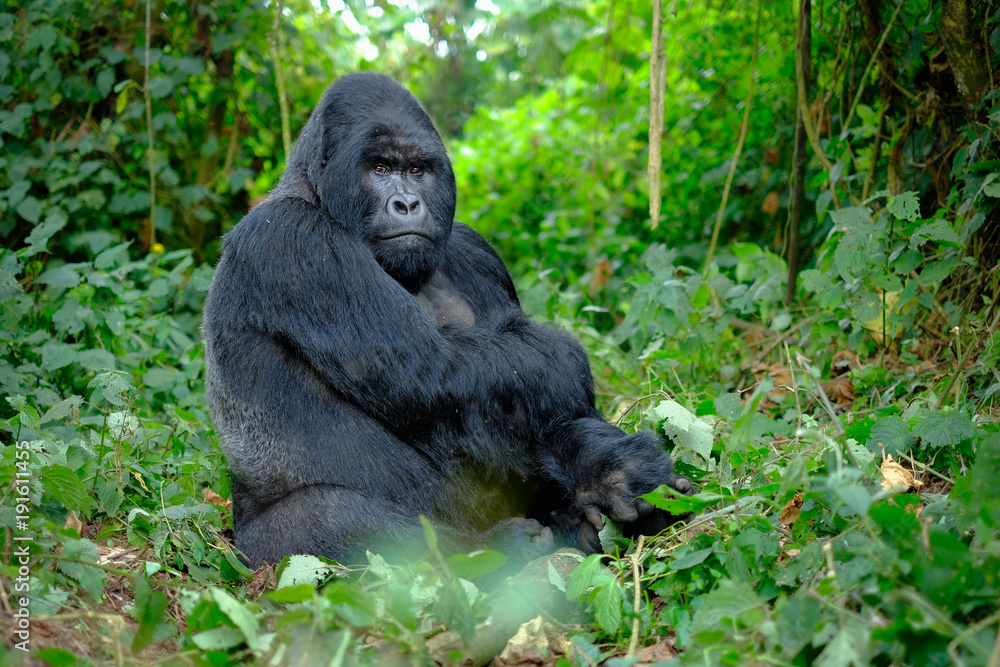
The health of gorillas (Gorilla spp.) is threatened by, among other issues, respiratory illnesses from human sources © Adobe Stock Images
Wildlife health is integral to the objectives of Multilateral Environmental Agreements (MEAs) and many intergovernmental health initiatives now recognise the importance of the environment in safeguarding health. The formation of the Health Quadripartite, through which UNEP joined WHO, WOAH and FAO, is a strong testament to this recognition.
- Convention on Migratory Species (CMS)
CMS promotes wildlife health by focusing on the underlying factors that affect it, particularly through addressing the major threats to the conservation of migratory species. Moreover, the Convention acknowledges that wildlife diseases pose significant threats to migratory species. Notably, poisoning outbreaks such as highly pathogenic avian influenza (HPAI) in waterbirds and mass mortality events in species like the Saiga Antelope highlight the need for coordinated responses. CMS has established mechanisms like the Scientific Task Force on Avian Influenza and Wildlife, the Working Group on Migratory Species and the Preventing Poisoning Working Group to facilitate information sharing and develop guidance on health promotion in migratory species.
- Convention on Biological Diversity (CBD)
The CBD promotes the conservation of biological diversity, sustainable use of its components, and fair sharing of benefits arising from genetic resources. Recognising the role of wildlife health in these objectives, the CBD supports the integration of health considerations into biodiversity strategies and action plans and emphasises the importance of ecosystem health in sustaining biodiversity.
- Ramsar Convention on Wetlands
The Ramsar Convention highlights the significance of wetlands in maintaining ecological balance and biodiversity. The Convention has focussed on ecosystem approaches to health in wetlands and developed practical guidance for prevention, monitoring and management of diseases associated with wetlands.
- United Nations Convention to Combat Desertification (UNCCD)
UNCCD addresses land degradation and its impacts on ecosystems and human livelihoods. Recognising that land degradation can influence the emergence and spread of wildlife diseases, the Convention promotes sustainable land management practices that support ecosystem health and resilience.
- United Nations Framework Convention on Climate Change (UNFCCC)
Climate change affects disease dynamics by altering habitats and distribution of species and invertebrate disease vectors. UNFCCC acknowledges the role of ecosystem health in climate resilience and supports nature-based solutions that enhance ecosystem integrity, thereby contributing to the promotion of wildlife health.
- United Nations Educational, Scientific and Cultural Organization (UNESCO)
UNESCO's Man and the Biosphere Programme promotes sustainable development through the conservation of biodiversity. The program recognizes the importance of healthy ecosystems in supporting both biodiversity and human well-being, advocating for integrated approaches that consider wildlife health in the management of biosphere reserves.
9. Resources
- Resolutions
- CMS Documents and Publications
- Migratory Species and Health: a review of migration and wildlife disease dynamics, and health of migratory species, within the context of One Health. M.J. Kipperman, K.M. Beckmann, N.E. Anderson, A.L. Meredith and R.L. Cromie (2024). University of Edinburgh report to the Secretariat of the Convention on the Conservation of Migratory Species of Wild Animals.
- Wildlife Health Events
- One Health Initiatives and further guidance
- Quadripartite Collaboration for One Health (WHO, FAO, UNEP, WOAH) and One Health Joint Plan of Action (2022-2026)
- Convention on Biological Diversity (CBD): Global Action Plan on Biodiversity and Health
- Ramsar Convention on Wetlands: Healthy Wetlands, Healthy People, and Ramsar Wetland Disease Manual
- European Union (EU): One Health Initiatives and Topics
- European Centre for Disease Prevention and Control (ECDC): ECDC One Health Framework
- WOAH (World Organisation for Animal Health)
- International Union for Conservation of Nature (IUCN) and World Organisation for Animal Health (WOAH): Manual of Procedures for Wildlife Disease Risk Analysis
- The Tripartite (WHO, WOAH, FAO) and Global Alliance for Rabies Control (GARC): United Against Rabies (UAR)
- European Food Safety Authority (ESFA): Reporting Guidance for the One Health Surveillance Data Collection
- US Department of Health and Human Services, Centres for Disease Control and Prevention (CDCP): One Health Zoonotic Disease Prioritization (OHZDP)
- Wildlife Health Australia: Wildlife Health Australia Resource Centre
- Panorama Solutions for a Healthy Planet: Panorama One Health Solutions
- University of Pretoria’s One Health for Change, One Health Commission: Africa One Health Network (AOHN)