
Community Participation & Livelihoods
The 13th meeting of the CMS Conference of the Parties, agreed to enhance community involvement in conserving migratory species (Decision 13.119). It directed the CMS Secretariat to identify and compile best practices and initiatives related to community-based conservation of CMS-listed species. The resulting compilation, presented at COP14, featured case studies from 50 countries, showcasing efforts involving 82 species. These included 35 bird species, 28 mammals (12 terrestrial and 16 marine), seven reptiles, six fish, one shark, and one insect. Regionally, the case studies spanned 18 African countries, 13 Asian countries, eight countries in South and Central America and the Caribbean, four European countries, and four Oceanian countries. COP14 subsequently requested that the case studies be made available online. Through Resolution 14.17 on Community Participation and Livelihoods, it adopted 10 Guiding Principles, which were derived through an analysis of the case studies.
Guiding principles

With this resource, CMS aims to support community-led conservation efforts for migratory species along their pathways. Set out below are the ten principles supported by relevant case studies.
A. Land and user rights
1. Secure and equitable land and resource user rights for communities are important for migratory species conservation. Communal conservancies and locally managed areas can form valuable corridors for migratory species outside of protected area networks. Rights to land and wildlife resources can enable communities to benefit from the presence of migratory species economically, such as through wildlife-based enterprises, or payments for conservation. Communities also gain socially from empowerment to manage their own landscapes and resources, for example through land use zoning, or reinstating traditional management practices.
2. Communities need to be supported in their rights to manage and protect migratory species from external influences. Capacity building and establishing or reinforcing local institutions to sustainably manage migratory species and distribute benefits from their conservation is required to enable communities to provide effective protection and stewardship. Communities may carry out actions such as designating protected areas, self-restricting resource use, or implementing anti-poaching and monitoring efforts to protect migratory species from poaching and overexploitation. Wider governance is also important to support communities’ interests from powerful external actors who may compete for resources, such as commercial resource extraction or the illegal wildlife trade.
Green Turtle (Chelonia mydas), Mozambique
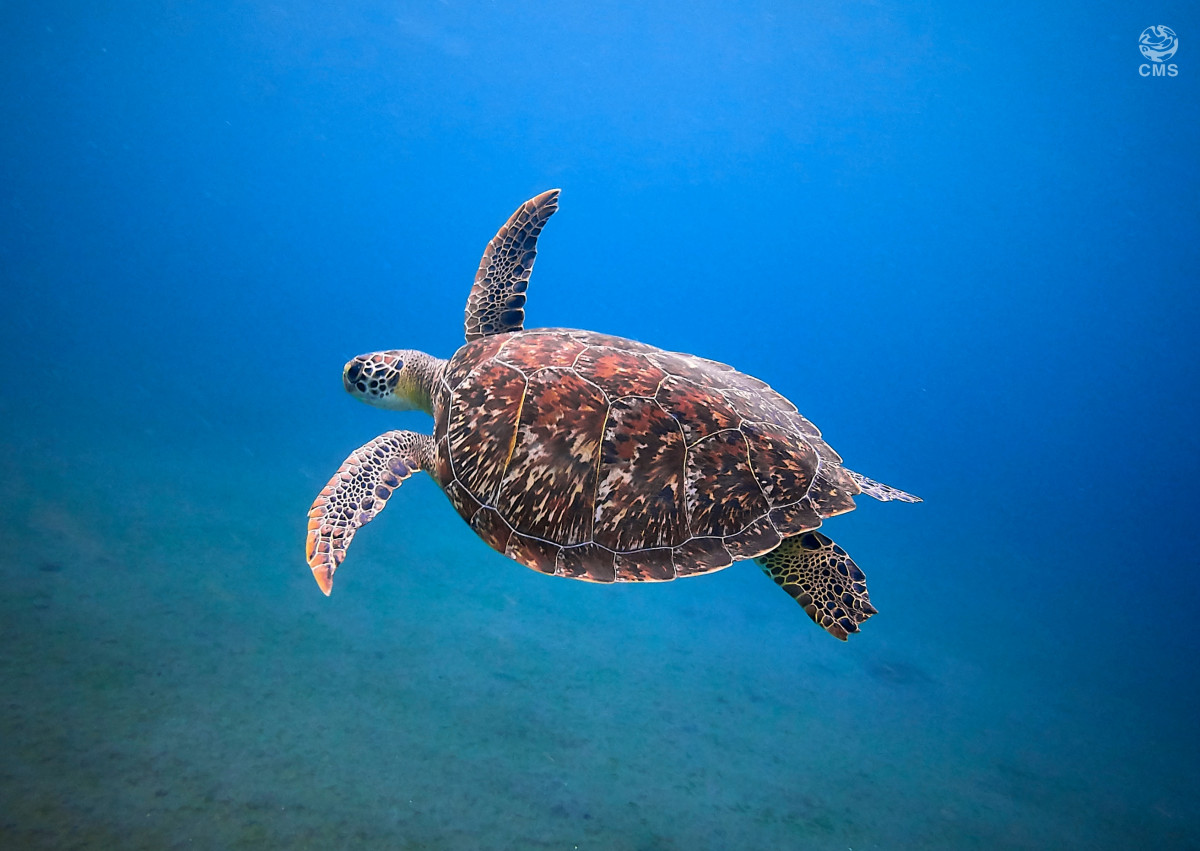
CMS: I/II, CITES: I, IUCN Red List: EN
Vamizi island, part of the Northern Querimbas archipelago off the coast of Mozambique, is the most important nesting site for green turtles (Chelonia mydas) in Mozambique, with over 90% of clutches laid on the island (van de Geer et al. 2022). The island has been part of a successful community-based conservation initiative, the Maluane Project (Garnier et al. 2008, 2012) since 2003, which aims to develop sustainable biodiversity conservation through scientifically based management, as well as sustainable socio-economic development of communities through project partnership and the promotion of luxury tourism (Cabo Delgado Biodiversity and Tourism Project Management Plan 2003-2006).
Fishermen with local ecological knowledge were selected by local leaders to be trained to monitor nesting beaches. Awareness campaigns with local fishing communities have increased awareness around turtles’ ecological value and legal status, whilst an incentive programme provides fishermen a small reward for bringing live sea turtles caught as bycatch in fishing nets to the project headquarters to be tagged and released (Garnier et al. 2012). The project also developed alternative economic activities chosen by the local communities and supported by the government and the Global Environment Facility, including craft making, vegetable farming, and sustainable fishing techniques, to reduce poverty in the local community (Garnier et al. 2012).
Rising pressure from itinerant fishermen and the risk of overfishing was identified by communities as a key threat to livelihoods (Garnier et al. 2012). With capacity building and support provided by the project and government, two Community Fisheries Councils (CCPs) were established and legally empowered to manage resources and regulate fishing within three nautical miles of the coastline, allowing communities to regain control over access to their marine resources. Due to increased local awareness of turtle conservation in the community, illegal killing of nesting females, taking of eggs, and bycatch substantially reduced after the start of the project. Communities decided to self-regulate fishing pressure and designated a marine sanctuary to the north-east of the island, protecting important turtle nesting and feeding grounds as well as critical fish habitats from overexploitation (Garnier et al. 2012).
These successes have led the project to be considered a leading example of marine turtle conservation (Williams et al. 2019), with the area declared a ‘Hope Spot for the Planet’, and as such, the model is being replicated in other locations (A project from the northern Quirimbas Archipelago). However, future threats to green turtles on the island include increasing commercial fishing pressure (Garnier et al. 2012), and flooding and erosion of nests due to sea level rise (Anastacio et al. 2014).
African Lion (Panthera leo), Kenya
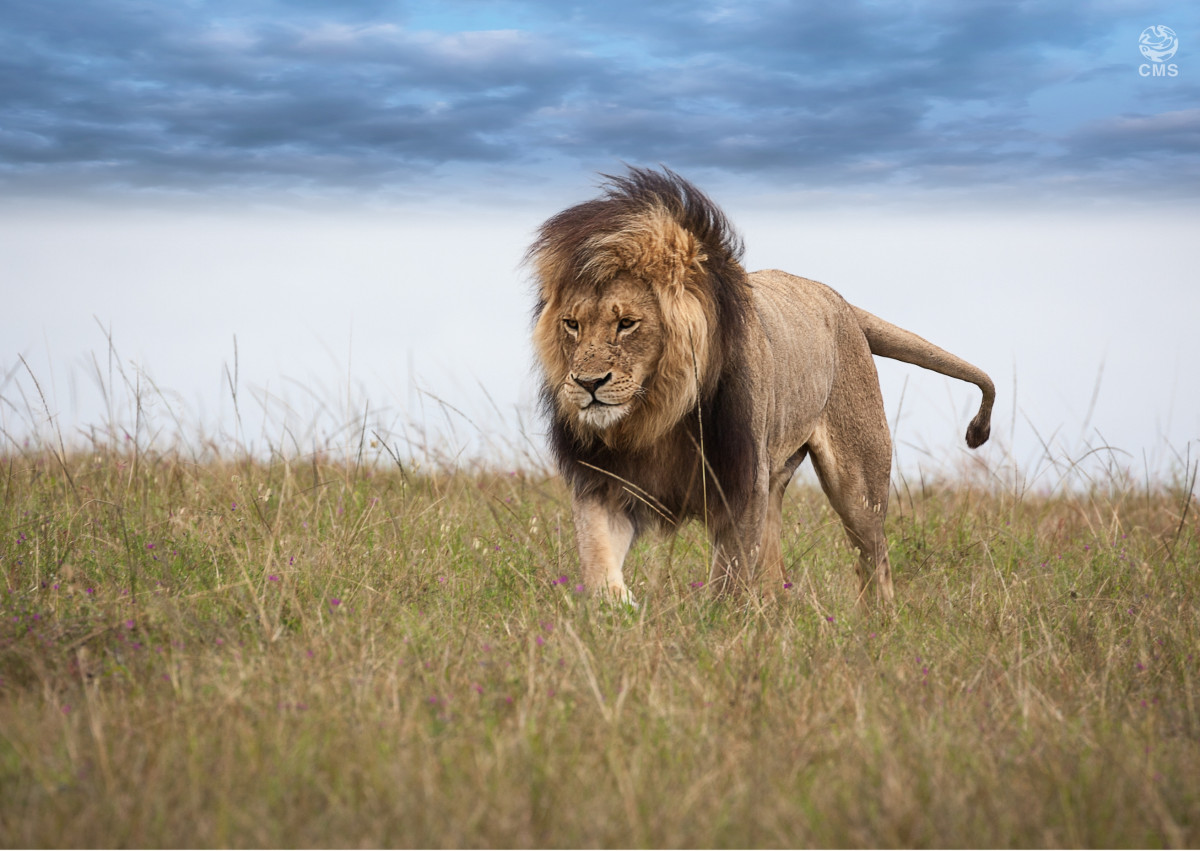
CMS: II, CITES: II, IUCN Red List: VU
The Olderkesi Community Wildlife Conservancy (OCWC) was established in 2013 (Oduor 2020) and borders the Maasai Mara National Reserve and Tanzania. The area is home to several large migratory species, including African lion (Panthera leo), African elephants (Loxodonta africana), and giraffe (Giraffa camelopardalis) (Roe 2015).
Cottar’s Wildlife Conservation Trust (CWCT) is a high-end tourism operator who leases 7000ha from Maasai community landowners to set the land aside for wildlife conservation. The community receives lease payments, which are competitive with other land uses such as agriculture or livestock grazing, and employment as security scouts (Community Conservation). Payments are made directly to the community landowners to reduce the risk of corruption, and is used for community infrastructure development, such as healthcare and education (Cabo Delgado Biodiversity and Tourism Project Management Plan 2003-2006), including an ambulance and school lunch programme (Oduor 2020). Lease payments are reduced if agreed land use rules are not followed, such as when poaching occurs, whereas information relating to wildlife crime is rewarded (Garnier et al. 2008). This encourages the community to be collectively responsible and reduces threats to migratory wildlife within the conservancy from poaching and the fencing of land for farming (Roe 2015) which can disrupt migratory routes. Whilst setting up the conservancy took over 10 years of negotiations, complete community involvement is likely to increase the long-term sustainability of the project (A project from the northern Quirimbas Archipelago). However, rising human populations have led to concerns over increasing competition with wildlife, and within communities for resources within the conservancy (Oduor 2020).
Whilst generally, perceptions around livelihoods and employment opportunities have been positive, there has been discontent over perceived inequal distribution of benefits from tourism within the community (Oduor 2020). The long-term security of the conservancy requires stable external funding and must remain competitive with other land-uses, to outweigh the costs for the community associated with living alongside potentially dangerous large wildlife (Community Conservation; Cottar’s Wildlife Conservation Trust).
Blue Cranes (Anthropoides paradiseus) and Wattled Cranes (Bugeranus carunculatus)
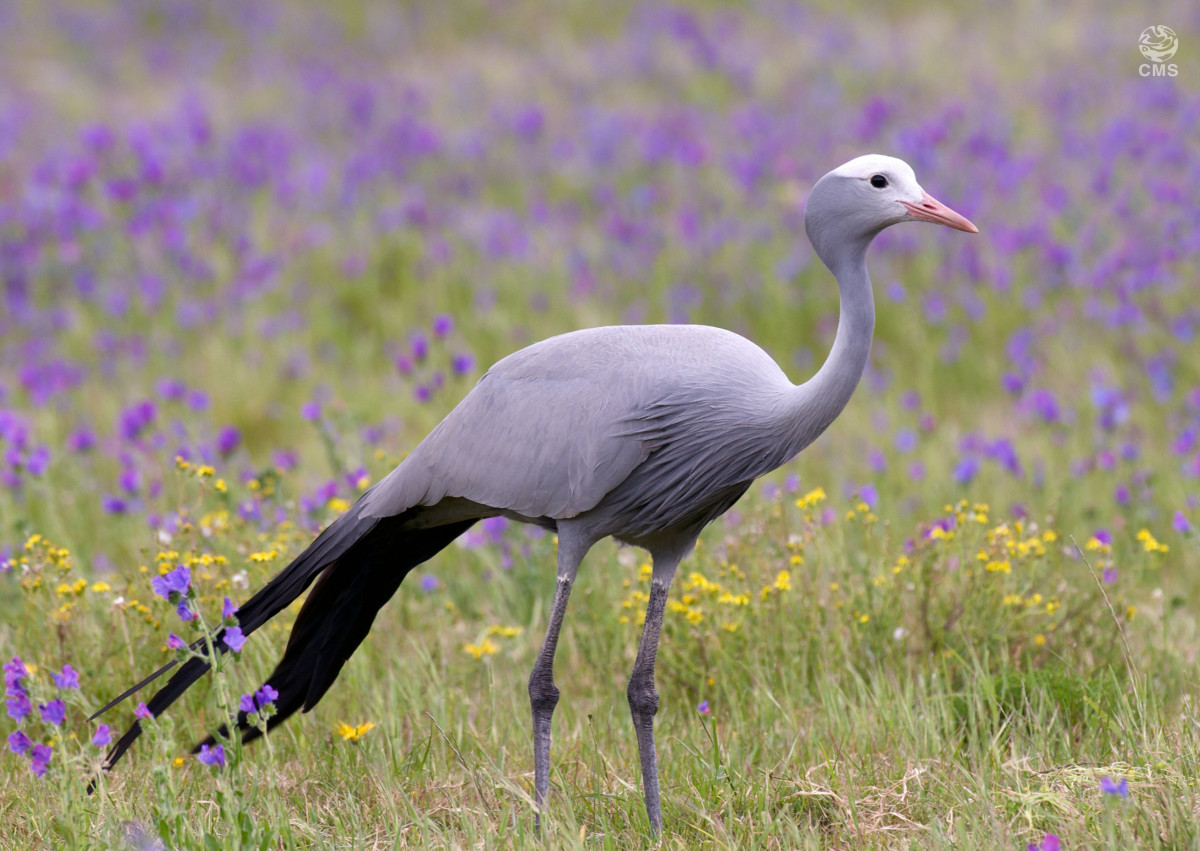
South African Blue Crane - CMS: II, CITES: II, IUCN Red List: VU; Wattled Crane - CMS: II, CITES: II, IUCN Red List: VU
South Africa implements a Biodiversity Stewardship Programme, encouraging private and communal landowners to form agreements with government to manage their land to support conservation and sustainable resource use (Factsheet on Biodiversity Stewardship). There are five categories of support, ranging from informal biodiversity partnership areas to highly protected nature reserves, with higher protection receiving greater support due to the greater restrictions on land-use (Roe 2015).
The African Crane Conservation Programme has been promoting this scheme to involve landowners in crane conservation, including in Chrissiesmeer and South Drakenberg, both home to blue cranes (Anthropoides paradiseus), wattled cranes (Bugeranus carunculus) and non-CMS listed grey-crowned cranes (Balearica regulorum), in intensively farmed private land. Chrissiesmeer is also particularly at risk of pollution and anthropogenic impacts (Community Conservation).
Landowners in Chrissiesmeer were successfully involved in the scheme, with around 80 landowners agreeing to manage their land as part of a system to maintain crane habitat at the landscape scale. Covering 85,065 ha, the Chrissiesmeer Lake district forms the largest ‘Protected Environment’ (the second highest protection level) in South Africa, designated in 2014 (Community Conservation). The area also benefits from tourism related to birdwatching and now hosts an annual ‘Chrissiesmeer Crane Festival’ to celebrate crane conservation and raise awareness of species and habitat conservation in the area.
In contrast, landowners in Southern Drakensberg were reluctant to be part of the Biodiversity Stewardship scheme. Despite over 50 landowners being approached by the Endangered Wildlife Trust to encourage them to protect crane habitat, uptake was low, with only a limited amount of crane habitat in the area protected (Project Completion Report). Further efforts to conserve cranes in this area are being undertaken by the International Crane Foundation and Endangered Wildlife Trust (please see the AEWA article).
B. Management responsibilities
3. Local management can support the long-term sustainability of conservation measures to increase coexistence with migratory species. Community-based management is particularly important in local scale co-existence projects between communities and large migratory species such as big cats and elephants. Through supporting local leadership, management and implementation of conservation measures, communities gain ownership of projects and are invested in their success. As such, capacity building and community participation in all stages of a project is important, and also serves to increase the suitability of interventions to local needs.
4. Co-management and collaboration can integrate traditional ecological knowledge and practices into successful migratory species conservation. For area-based management in particular, community involvement in management decisions can increase effectiveness through adapting measures to local needs, socioeconomic contexts and beliefs, increasing acceptance of conservation and promoting conservation of broader biocultural landscapes.
5. Community involvement can facilitate sustainable use of migratory species as part of international coordinated and regulated management. Achieving sustainable use of migratory species is challenging, requiring range-wide information on species population status. However, involvement of local stakeholders is increasingly recognised in the successful implementation of international trade regulations, such as CITES, and adaptive management strategies. This enables local cultural and livelihood considerations to be recognised and supported, preventing illegal trade and subsistence from undermining sustainable use, and encouraging local involvement in the management of migratory species.
Laysan Albatross (Phaobastria immutabilis) and Black-footed Albatross (Phoebastria nigripes), Hawaii
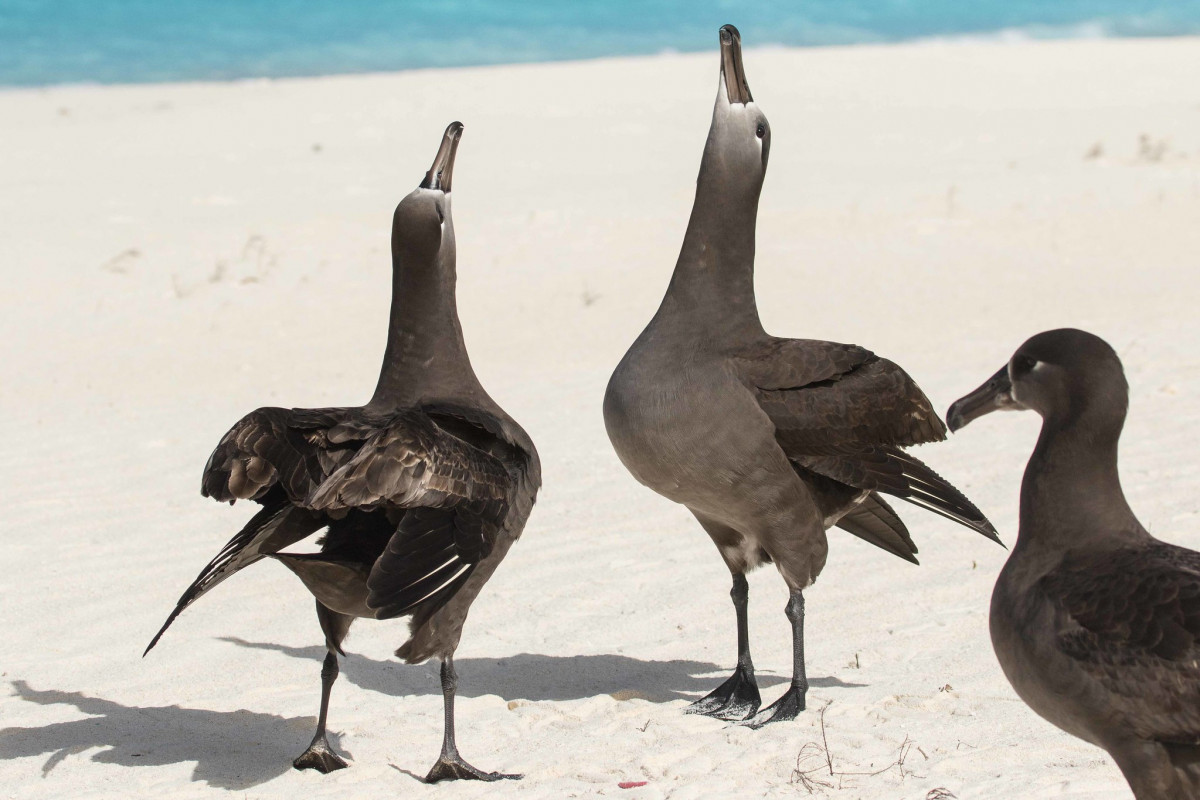
Laysan Albatross - CMS: ACAP , CITES: - , IUCN Red List: NT; Black-footed Albatross - CMS: II, CITES: II, IUCN Red List: VU
The Papahānaumokuākea Marine National Monument Reserve is of great cultural importance to native Hawaiians and is an important breeding site for Laysan albatross (Phoebastria immutiabilis) and Black-footed albatross (Phoebastria nigripes) (Vierros et al. 2020). Up to 70% of global nesting populations of Laysan albatross nest on Midway Atoll National Wildlife Refuge within the Reserve (Papahānaumokuākea Marine National Monument). Both species are culturally significant for native Hawaiians, as albatrosses are seen as the embodiment of the god Lono, and their arrival signifies a four-month period of peace (Vierros et al. 2020). The reserve is co-managed as a biocultural landscape by the Secretary of Commerce, Secretary of the Interior, State of Hawaii and Office of Hawaiian Affairs, with the latter representing the native Hawaiian community (Guidance document to integrate Native Hawaiian culture into management of Papahānaumokuākea). Through collaborative management, Hawaiian culture, traditional knowledge and management concepts are integrated into the management strategy of the reserve (Vierros et al. 2020). Whilst access to the reserve is limited, management aims to ‘bring the place to the people’ through outreach and engagement (please see the related article).been developed to teach local schoolchildren about albatross migration, clean oceans, and plastic pollution (Charles 2021).
African Lion (Panthera leo), Leopard (Panthera pardus) and African Wild Dog (Lycaon pictus), Mozambique
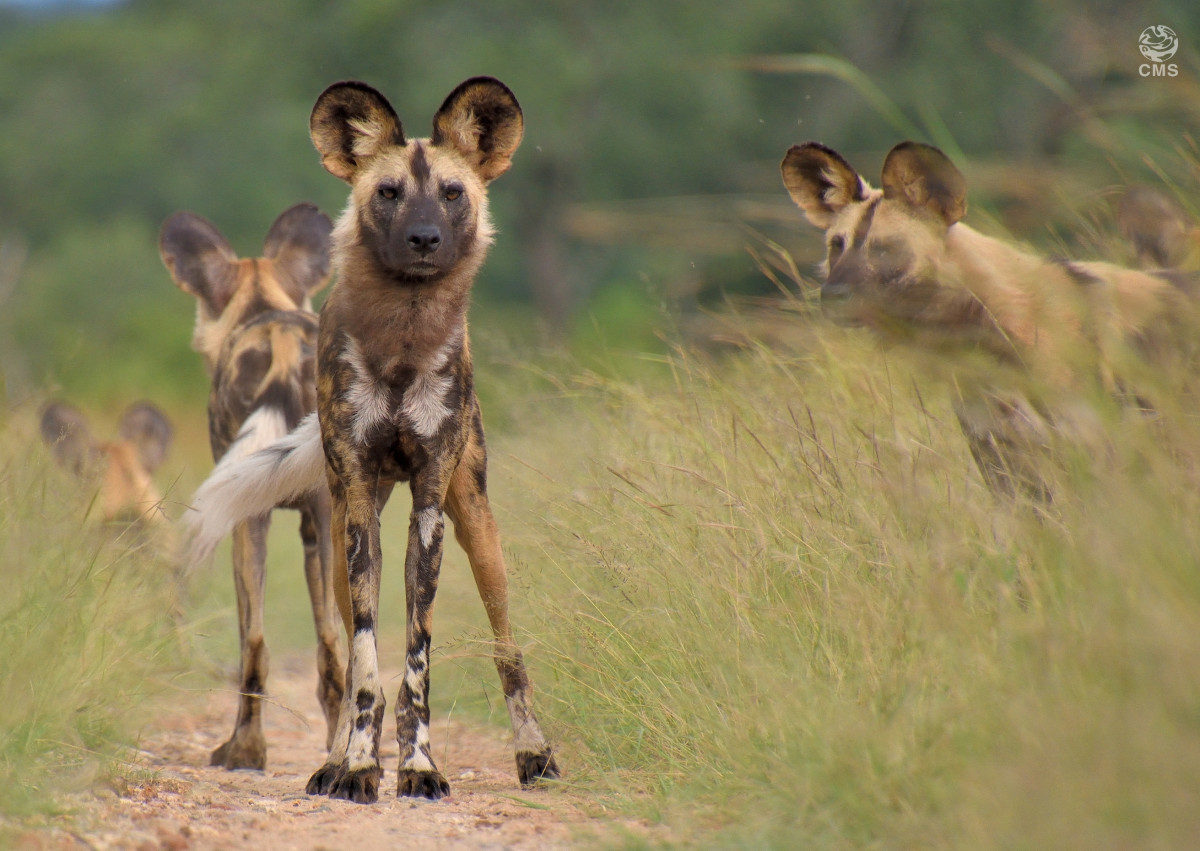
African Lion - CMS: II, CITES: II, IUCN Red List: VU; Leopard - CMS: II, CITES: I, IUCN Red List: VU; African Wild Dog - CMS: II, CITES: -, IUCN Red List: EN
The Niassa Carnivore Project was established in 2003 (please see the link for the project's approach) and operates within the Niassa Special Reserve (NSR) in Mozambique. The project aims to monitor and conserve large carnivores with the full participation and support of local communities, focussing on the African lion (Panthera leo), but also including leopards (Panthera pardus), spotted hyaenas (Crocuta Crocuta) and African wild dogs (Lycaon pictus).
One of the projects five key goals is to develop a community partnership with the Mbamba village to manage 58,000 ha in a community conservation partnership. The region also forms the intensive study area and base of the project, and is the only concession within the Niassa reserve managed in partnership with a community using a Community Based Natural Resource Management approach, as communities do not own land within the protected reserve.
The legally binding agreement gives joint responsibilities, revenue sharing and performance payments to the village for managing a 58,000 ha area inside NSR for conservation-friendly community development. The local community also benefits from seasonal work in conservation services, revenue from ecotourism and performance-based payments, which reduces wildlife conflict and provides support for children to attend school. The project has been running for over 10 years, and has been resilient to the covid pandemic and insecurity from insurgency to the east of the project. The populations of ungulates, hippo, lion and leopard have increased in the area since 2012, with lions increasing from 2 to 7 prides, whilst illegal activity such as snaring has declined. The project’s approach is believed to be sustainable as funding is secure, and growing as the community engages with ecotourism, and consequently it has been suggested to be scalable to implement in Tanzania, Botswana and Namibia (2021 Annual Report of the project).
C. Spiritual values and attitudes
6. Understanding and integrating traditional beliefs can increase migratory species conservation effectiveness. Positive attitudes and traditional practices can promote co-existence and management of migratory species and the habitats they rely on and can motivate engagement in conservation. An understanding of cultural practices regarding species is vital to prevent conflict and promote involvement of cultural practices and stakeholders in conservation activities, for example through changing local perceptions of species use, or encouraging participation in sustainable management.
Snow leopards (Uncia uncia), Russia, Tajikistan, Mongolia and Kyrgyzstan
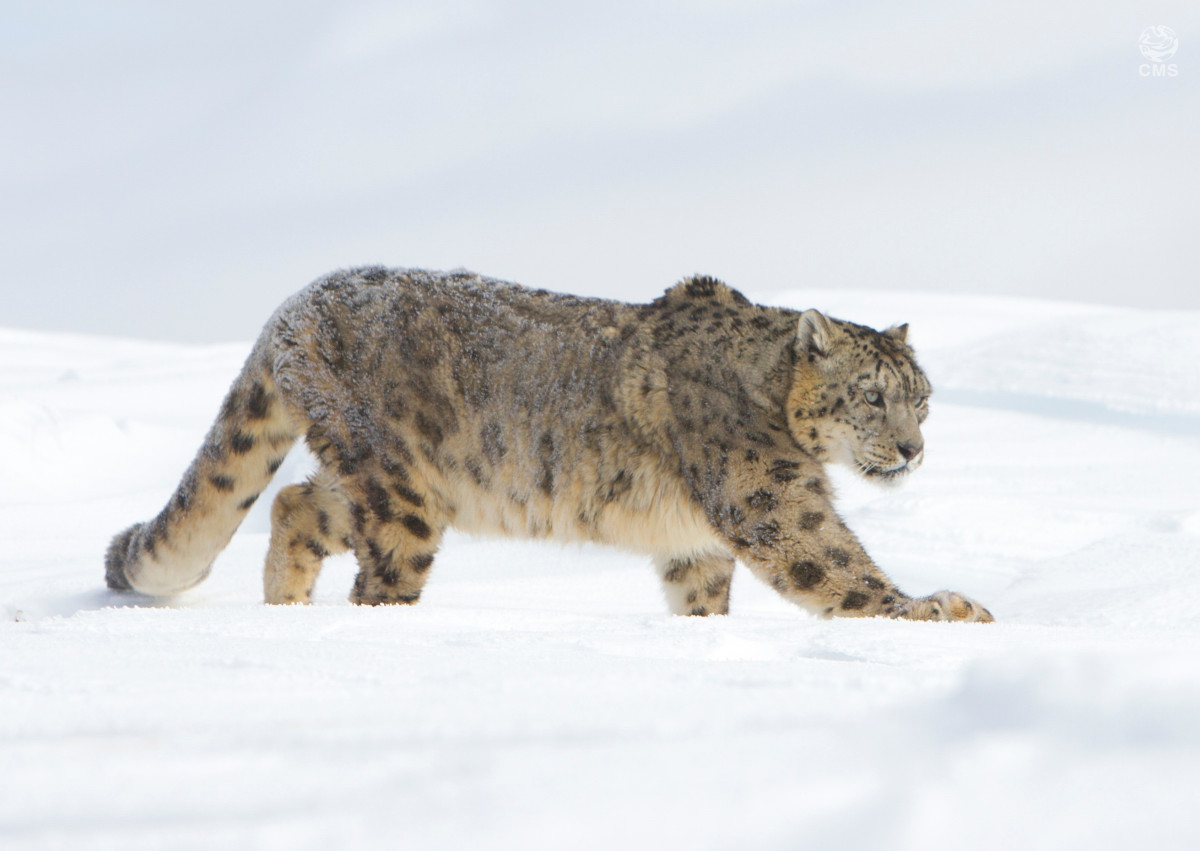
CMS: I, CITES: I, IUCN Red List: VU
The Land of the Snow Leopard (LOSL) network started in 2013 in partnership with the Snow Leopard Conservancy and aims to integrate western and indigenous approaches for conservation. In the project, Indigenous Cultural Practitioners (ICPs) are equal partners, using cultural and spiritual knowledge to secure landscapes for snow leopard conservation and promote understanding of the snow leopard’s fundamental roles in indigenous practices (Saker Falcon Falco cherrug Global Action Plan (SakerGAP)).
The network includes over 100 members, and enables ICPs to be involved in high level, international conservation for snow leopards. The project empowers transboundary collaboration between indigenous cultural practitioners. The core membership (including ICPs, country coordinators, and select community members) meets annually, to exchange knowledge, ideas, and experiences. The meetings also include technical training and ceremonies led by cultural and spiritual practitioners.
Key achievements of the programme include gaining recognition of sacred sites, including recognition of Okinsky District in Russia as a Territory of Traditional Use of Natural Resources, allowing communities to protect external exploitation of resources, and acknowledgement of Sutai Mountain in Mongolia as a spiritually and culturally sacred site.
In addition, there is a strong focus on education and understanding of the spiritual importance of snow leopards. For example, the IUCN supported the ‘Elders and Youth for Conservation of the Snow Leopard’ program in Kyrgyzstan, to strengthen understanding of spiritual practices for conservation of snow leopards as sacred animals and ‘protectors of the sacred mountains’. An education programme, the ‘Mongolian Nomadic Nature Trunks Program’, has also been established, and incorporate scientific and traditional knowledge in teaching schools about snow leopard conservation programmes. In 2019, this also expanded to include Kyrgyzstan and Tajikistan. The project has also developed online technologies, enabling ICPs to build communication and monitor snow leopard observations and poaching activity (Emergency Action For The Conservation Of The Spoon-Billed Sandpiper In Myanmar).
Egyptian Vulture (Neophron percnoptrus), Nigeria
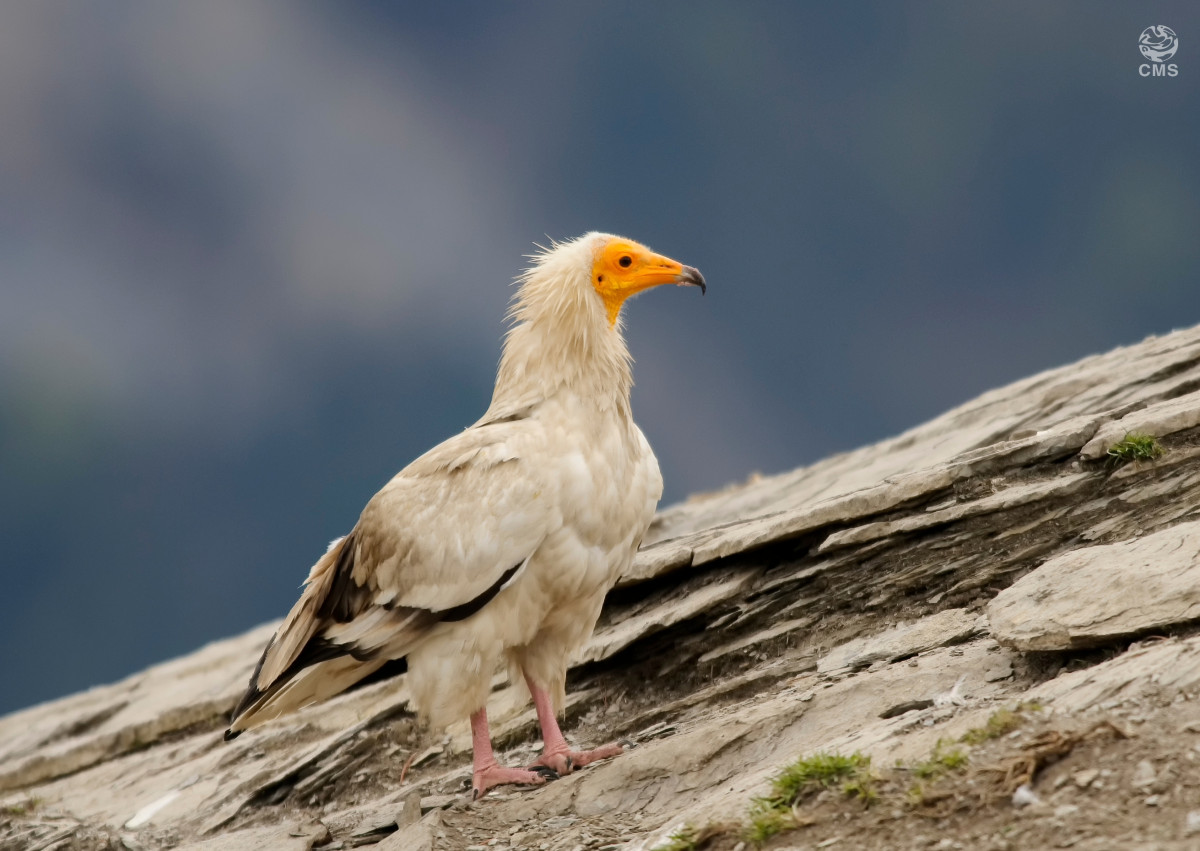
CMS: I, CITES: II, IUCN Red List: EN
Throughout history, vultures have been an important part of human culture, possessing symbolic cultural values in many parts of the world. Vultures have experienced rapid population declines, with Egyptian vulture (Neophron percnoptrus) populations declining by over 80% in the last 30 years in their breeding grounds in the Balkans. The Egyptian Vulture New LIFE Project, which launched in 2017 to continue the work of the Return of the Neophron Project (2011-2016), is a collaboration of institutions and organisations from 14 countries. The project aims to reverse population declines by addressing known threats within the species’ breeding grounds in the Balkans, along its 8,000km migration route, and in wintering grounds in Africa.
The three primary threats facing the species are poisoning, electrocution, and direct persecution, but the significance of each varies across the flyway. The project therefore aims to work with stable local institutions to achieve country or region-specific goals. In the Balkans, for example, over 80% of deaths are due to illegal poisoning – both deliberate and accidental, and work has focussed on developing anti-poison networks and dog patrols. The project has also worked with local communities to provide supplementary feeding sites that now support over 50% of the breeding vulture population and allow farmers to save money disposing of carcasses and instead contribute to conservation (New Vulture Restaurant in Northern Bulgaria).
In Niger and Nigeria, some communities use vulture body parts in belief-based rituals (Stara et al. 2022). Demand is highest in Nigeria, where persecution for trade is seen as the greatest threat to vultures, despite the killing of the vultures being illegal (Oppel et al. 2021). Here, traders also source vulture parts from neighbouring countries due to the scarcity of vultures as a result of persecution (Oppel et al. 2021).
To combat illegal persecution for belief-based rituals, the Nigerian Conservation Foundation (NCF) has focussed on developing local capacity and knowledge related to vulture conservation . NCF has engaged with traditional healers to raise awareness of plant-based alternatives through workshops, in which over 80 traditional healers have taken part to develop a manual on ‘Plant based alternatives to Vulture use for traditional Medicine practitioners’. A social media group has also been developed to share experiences, and many healers are now using plant-based alternatives and promoting their use to others (Working with traditional healers to end vulture poaching).
D. Cooperation among communities along migratory pathways
7. Bottom-up knowledge exchange between community members promotes effective cooperation in migratory species conservation and can be facilitated through top-down involvement in transboundary initiatives. Successful conservation measures can spread between communities, requiring local leadership and management. At larger scales, bringing community representatives together for knowledge exchange can also promote cooperation to target specific threats for migratory species. International NGOs and transboundary initiatives also play an important role in supporting the inclusion of communities along migratory pathways and promoting collaboration and knowledge exchange between communities.
African Elephants (Loxodonta africana), Mali
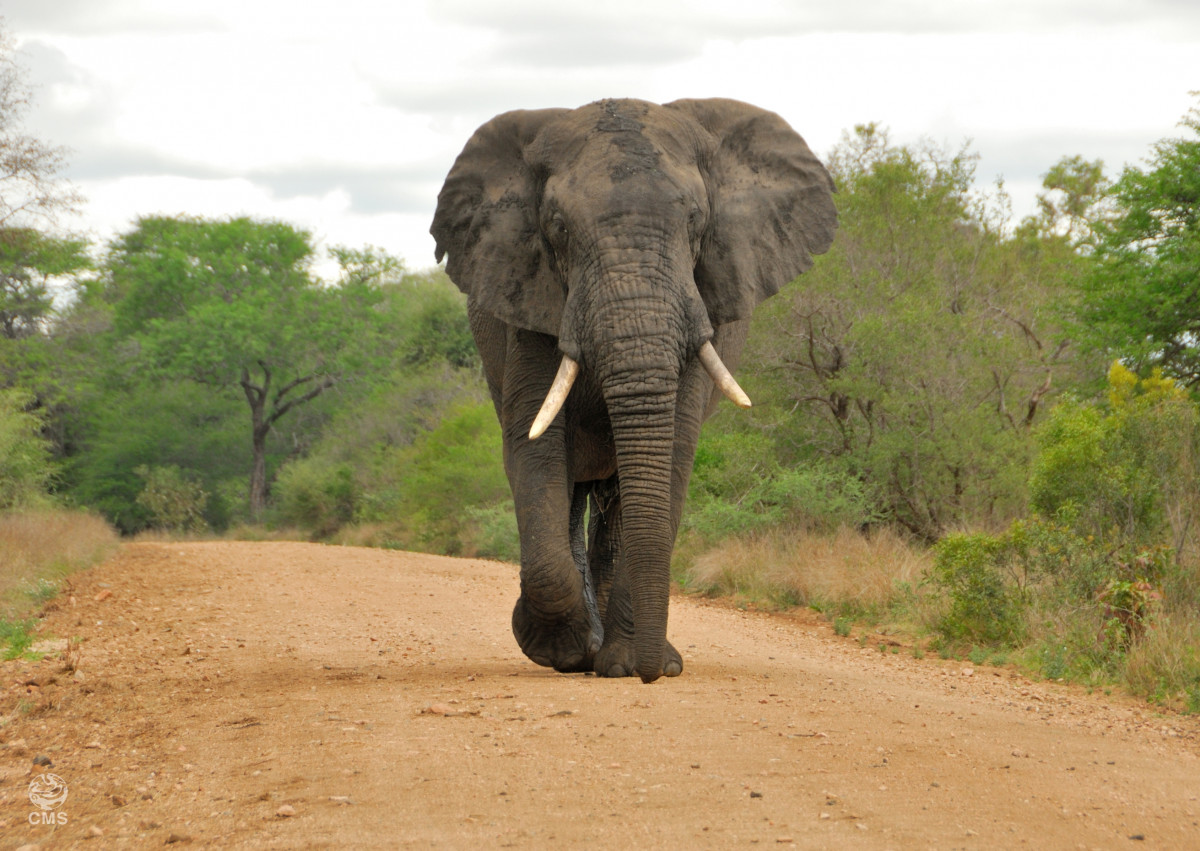
CMS: II, CITES: I, IUCN Red List: EN
The Gourma region of Mali contains a small population of desert adapted elephants, which follow an annual cyclical migration driven by resource availability in the wet and dry seasons. In 2003, research was initiated to investigate the elephants’ resource needs, migration routes and threats. It was discovered that whilst the elephants covered over 32,000km2, they spent most of their time in forested areas around water holes (Canney, 2019) where rising anthropogenic development and resource over-exploitation was a key threat. The Mali Elephant project aims to conserve elephants through reducing competition with local communities. Stakeholder workshops in 2007 identified that local people wanted to conserve the elephants, as they recognised the link between elephant presence and the environment’s capacity to support their own livelihoods (Canney, 2019). To build on these positive attitudes, the project developed educational and outreach materials for stakeholder groups. However, over-extraction of resources continued (Canney, 2021), and further workshops were initiated to alleviate rising pressure around Lake Banzena, a critical water source for elephants. Increasingly large cattle herds risked the lake drying completely, and elephants were reportedly dying of potential livestock diseases (Canney 2019). These workshops found that 96% of cattle were commercially owned by wealthy urban individuals who employed migratory herders, and that local people were willing to relocate if there was clean water available elsewhere, as over half suffered from chronic water-borne illnesses associated with contaminated lake water. Notably, whilst the ethnic groups present had resource management systems in place, lack of respect for each other’s systems was leading each group to use, and deplete, the shared resources independently (Canney 2021). Communities were brought together and empowered to work collaboratively throughelecting a shared leadership committee to set rules on resource use, elect ‘ecoguards’ to protect elephants and their habitat, and charge commercial herders for water and pasture access. Clean water boreholes were also constructed for each social group to prevent conflict. This led to over 90,000 ha being protected as reserve pasture, reduced water-borne illness, and created occupations for young men. The project also worked with womens’ groups to develop alternative livelihood options and capacity building. Other communities across the elephant range also requested help to take similar actions (Canney, 2019). Insurgency in 2012 led to a breakdown in law enforcement and increased poaching pressure by militant groups. As a result, local leaders issued edicts that elephant poaching was considered thieving, and encouraged young men to protect elephants with small payments and prestige in their communities. Poaching was successfully limited to 20 elephants over 3 years, before further security declines and illegal trafficking led to 83 elephants being killed in 2015, and 51 in 2016. A transboundary anti-poaching unit was developed, working with local communities to empower them to protect elephants to effectively reduce poaching. In addition, whilst the decentralised control of natural resources designated by the government to local communities has been critical to the project, communities and the Mali elephant project are now working to request the elephant range to be protected as an UNESCO Biosphere reserve to further strengthen local communities’ ability to enforce protection of core elephant habitat and regulate resource use in buffer zones (Canney 2019, Canney 2021).
Andean Flamingo (Phoenicoparrus andinus) and James’s Flamingo (Phoenicoparrus jamesi), Chile and Bolivia
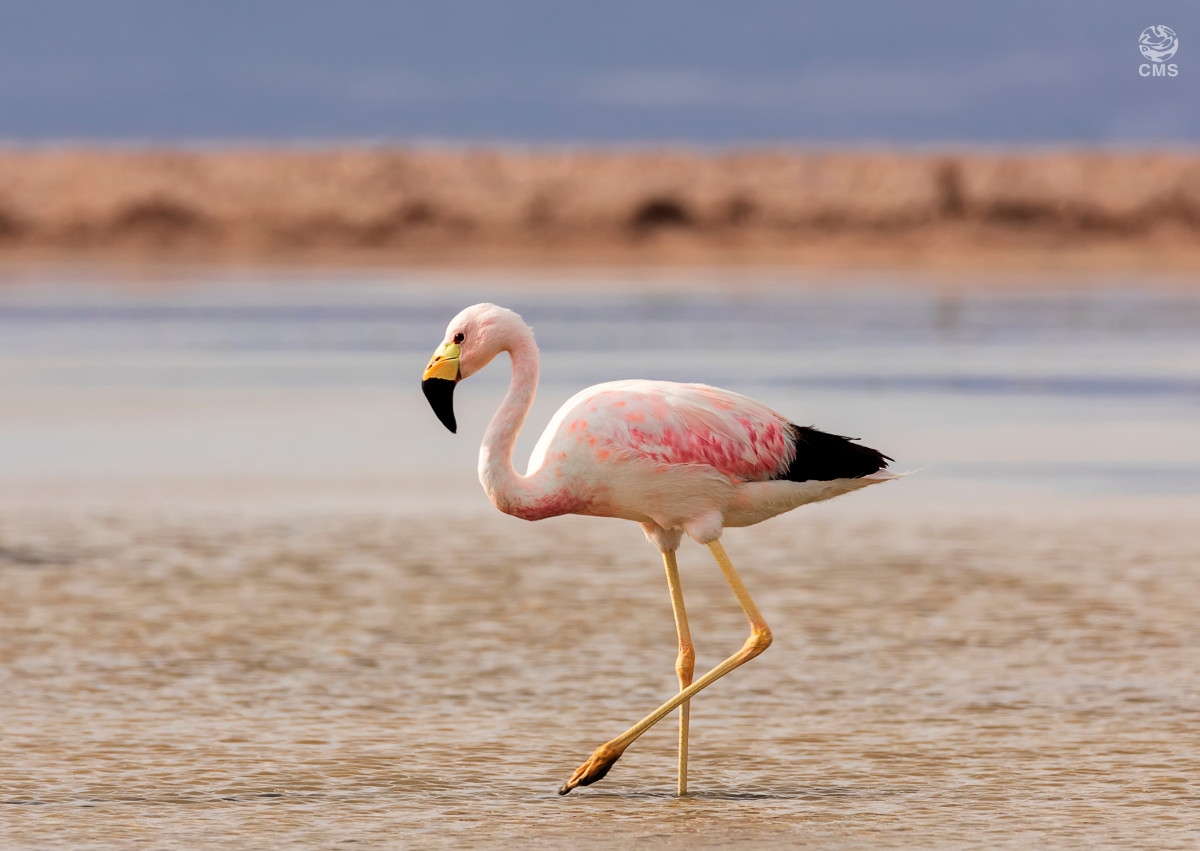
Andean Flamingo - CMS: I/II, CITES: II, IUCN Red List: VU; James’s Flamingo CMS: I/II, CITES: II, IUCN Red List: NT
Andean flamingo (Phoenicoparrus andinus) populations and James’s flamingo (Phoenicoparrus jamesi) historically faced major threats to their populations in critical highaltitude wetlands in Chile and Brazil from local communities, who hunted them for feathers, meat, and eggs. In addition, mining operations for materials such as borax also posed a threat for the species’ wetland habitats (Vasilijević et al. 2015). The Group for the Conservation of High Andean Flamingos (GCFA) has carried out transboundary conservation activities since 1996 to protect the flamingos in their nesting sites, including in two adjacent national parks, Eduardo Avaroa National Refuge, Bolivia, and Los Flamencos National Reserve, Chile.
An important initial challenge for conservation was the lack of coordination in flamingo management between the parks, as well as a lack of trust between the countries affecting collaboration in the border region (Jaguar 2030 Roadmap). As such, a core part of the group’s activities has been strengthening inter-institutional coordination for efficient management of the species and their network of wetland habitats, emphasizing regional connectivity.
Reducing local threats involved capacity building in local communities, deploying guards on both sides of the border, and educational and awareness campaigns in the indigenous Atacemenos communities (Chile) and Aymara communities (Bolivia). The project has successfully motivated communities to protect the flamingo populations, and now they feel proud of the biodiversity value of their ancestral homelands. Local threats from egg collecting and poaching have ceased, and local community members are instead involved in protecting flamingos from external poachers during the nesting season, monitoring the flamingo populations and ringing juvenile flamingos to monitor migration.
The project has successfully reduced local threats from unsustainable harvesting of flamingo populations, but other threats remain for the populations, including climate change and pollution from mining activity. Mining pressure for lithium, for example, has increased greatly in the region since 2016 due to rising international demand (Marconi, Arengo and Clark, 2022).
E. Intersectional Issues OR Authority over the distribution of benefits
8. Communities located around important migratory species aggregation sites can be a priority for engagement with conservation. Communities around important stop-over, breeding, or feeding grounds for migratory species can have a disproportional impact on migratory populations. Whilst overexploitation or threats in these areas can be particularly damaging for species, effective conservation involving local communities can provide substantial benefits, both for the migratory species, and for local communities through promoting sustainable development or providing a source of pride and connection to nature.
9. Conflict can arise between migratory species management in different parts of their range, leading to disbenefits for some local communities. A key challenge in migratory species conservation occurs when benefits or disbenefits of migratory species presence are localised to different parts of their ranges. Management in these locations can therefore come into conflict. An understanding of the impacts of this on local communities and livelihoods, and who has authority over reconciling these differences, is important for ensuring that all communities can sustainably benefit from conservation.
10. Community-based conservation of migratory species can be undermined by the illegal wildlife trade. A key feature required for long-term community commitment to conservation is for benefits to outweigh costs, such as restricted access to resources or living close to potentially dangerous wildlife. For some migratory species, there is an added pressure when species are particularly high value, such as elephants for ivory, which can undermine community conservation as individuals can make more money from poaching than protection. This can be exacerbated in remote transboundary landscapes with poor law enforcement and high levels of poverty. In such cases, strong disincentives to prevent poaching by community members through strengthening law enforcement, can be required.
African Lion (Panthera leo), African Wild Dog (Lycaon pictus), Leopard (Panthera pardus) and Cheetah (Acinonyx jubatus), Tanzania
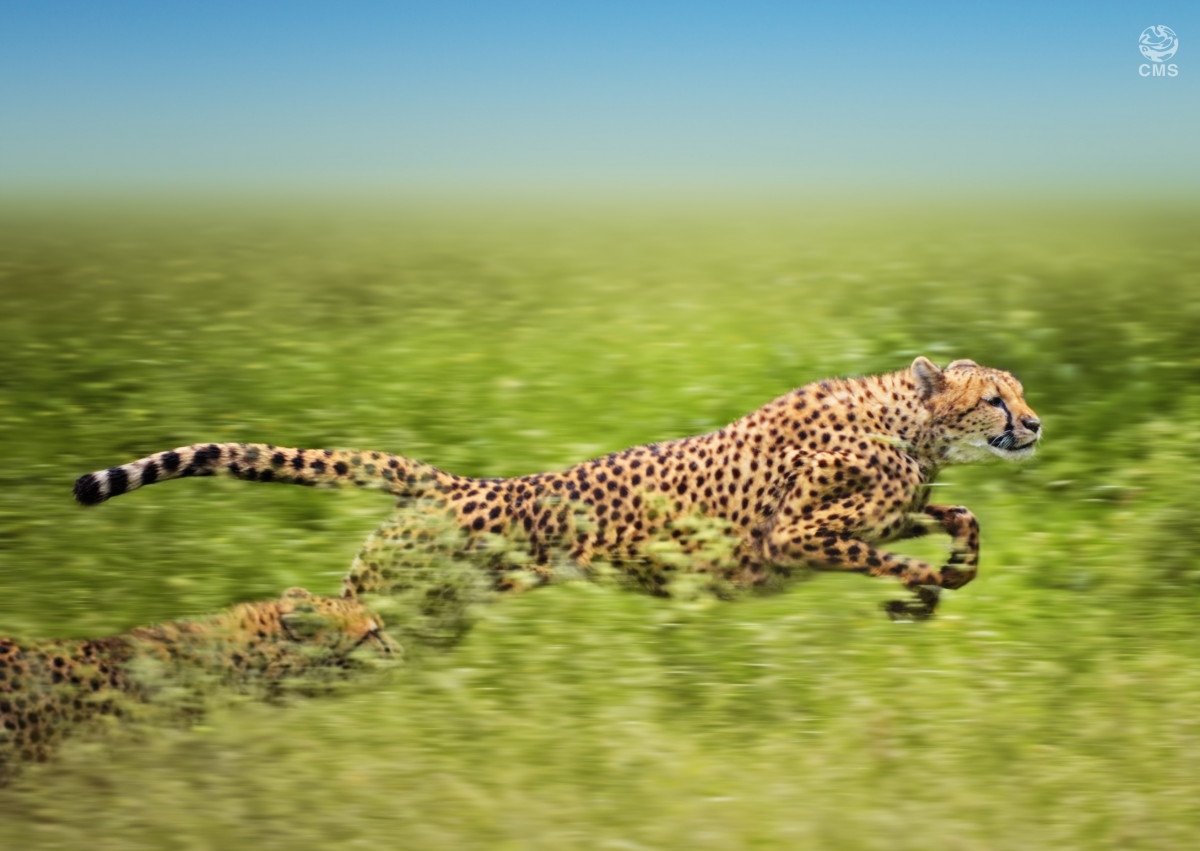
African Lion - CMS: II, CITES: II, IUCN Red List: VU; African Wild Dog - CMS: II, CITES: -, IUCN Red List: EN; Leopard - CMS: II, CITES: I, IUCN Red List: VU; Cheetah - CMS: I, CITES: I, IUCN Red List: VU
The Ruaha landscape is an important habitat for several CMS-listed carnivore species, supporting over 10% of the world’s African lion (Panthera leo) population, the third largest population of African wild dogs (Lycaon pictus), and significant populations of leopards (Panthera pardus) and cheetahs (Acinonyx jubatus) (Abade et al. 2014).
In 2009, the Ruaha Carnivore Project was founded to research the high levels of human-wildlife interactions and associated mitigation in village land south of the protected Ruaha National Park. Over 98% of residents have experienced problems with wildlife (FAO and IUCN SSC HWCTF 2022), mainly driven by the predation of livestock, which leads to retaliatory killings. Lion killing in particular also has a cultural element, with young warriors killing lions to gain status and prestige (Livestock Insurance Programme by Snow Leopard Trust).
The project worked with communities to reduce the costs of living alongside carnivores, through improving livestock enclosures, providing guard dogs, and raising awareness of living safely with wildlife. The project also worked to engage with warriors to adapt cultural practices and skills to become lion defenders, tracking lions and warning people of their presence.
It was identified that benefit initiatives were also needed, which were developed based on key priorities identified by communities around healthcare, educational opportunities, and veterinary medicine for livestock (FAO and IUCN SSC HWCTF 2022). However, provision of community benefit schemes directly by the project failed to link benefits to wildlife presence, and so in 2015 the project started a community camera trapping programme. In this, groups of four villages compete for a share of $5,000 of additional community benefits, based on wildlife presence recorded by camera traps deployed and monitored by the villages themselves. Points are gained for every animal image, with species that pose a higher risk of conflict assigned higher point values. Rules were decided collaboratively at the start and documented for transparency, including camera placement, species point values, and the value of the share that communities would receive for placing first, second, third or fourth. A celebration is held in the winning village to distribute benefits and bring the communities together (FAO and IUCN SSC HWCTF 2022).
The programme has been successful in providing data on wildlife populations, engaging communities in conservation through training in wildlife monitoring, and linking wildlife to community development (FAO and IUCN SSC HWCTF 2022). This has been recognised by local government, village leaders, and park authorities as impacting both local development and conservation (Ruaha Carnivore Project). In 2019, the project employed 32 community camera trapping officers across 16 villages, as well as 17 lion defenders, with benefits reaching 40,000 people. The photographs are shared with communities, increasing villagers’ awareness of species on their lands. Some communities have also banned lion and elephant hunting and impose fines when this occurs (FAO and IUCN SSC HWCTF 2022). The project aims to expand to include all villages in the area, and the model is also being shared with other projects in Tanzania (Wildlife Watching and Tourism). Furthermore, in 2020, it became part of the transboundary Lion Landscapes project (project website) which also operates in Kenya and Zambia.
Green Turtle (Chelonia mydas), Hawksbill Turtle (Eretmochelys imbricata), Loggerhead Turtle (Caretta caretta), Leatherback Turtle (Dermochelys coriacea), Olive Ridley Turtle (Lepidochelys olivacea), Brazil
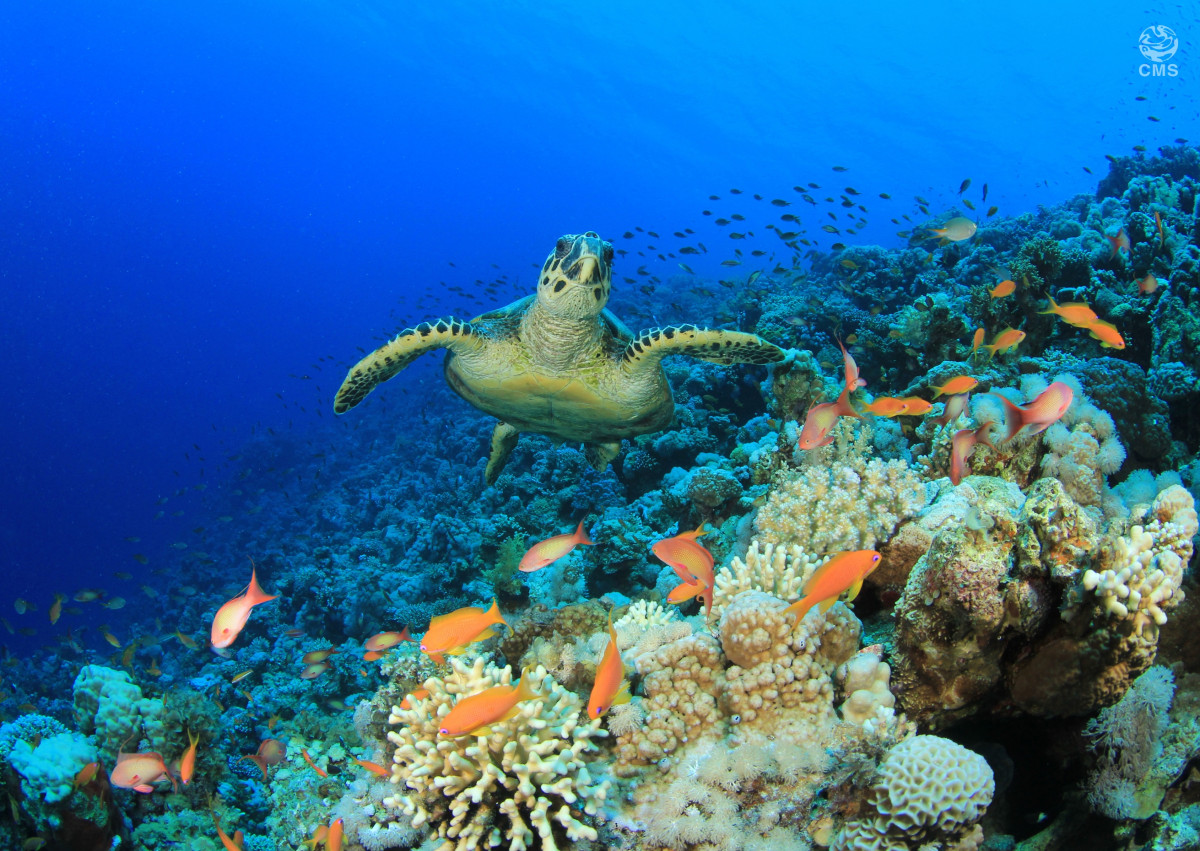
Green Turtle - CMS: I/II, CITES: I, IUCN Red List: EN; Hawksbill Turtle - CMS: I/II, CITES: I, IUCN Red List: CR; Leatherback Turtle - CMS: I/II, CITES: I, IUCN Red List: VU; Loggerhead Turtle - CMS: I/II, CITES: I, IUCN Red List: VU; Olive Ridley Turtle - CMS: I/II, CITES: I, IUCN Red List: VU
The National Marine Turtle Conservation Programme in Brazil, Projeto TAMARIBAMA, was initiated in 1980 by the Brazilian government as an NGO affiliated with the government’s environmental institute IBAMA and the first programme to conserve sea turtles in the country (Wildlife Watching and Tourism).
The project focusses on conservation of the five turtle species found along Brazil’s coastline, the Olive Ridley Turtle (Lepidochelysi olivacea), Hawksbill Turtle (Eretmochelys imbricata), Loggerhead Turtle (Caretta caretta), Leatherback Turtle (Dermochelys coriacea), and Green Turtle (Chelonia mydas), all of which became fully protected in Brazil in 1986 (Marcovaldi and dei Marcovaldi, 1999). Turtles were widely exploited for subsistence and cultural use by fishing villages, primarily for eggs, meat, and shells. However, there was little consideration for population sizes and long-term impacts, with almost 100% of eggs poached along some parts of the coast (Marcovaldi and dei Marcovaldi, 1999).
The project therefore aimed to engage local communities in sea turtle protection and research (Wildlife Watching and Tourism). The project has 22 stations at major nesting and feeding sites along 1,100km of coastline and three islands. The stations employ local people, around 80% of whom are fishermen and their relatives. A key success has been the appointment of former egg poachers as beach patrollers and nest protectors, who gain status from the employment and disseminate knowledge across communities (Marcovaldi and dei Marcovaldi, 1999). By 1999, harvest of nesting females and eggs had stopped in all major turtle nesting areas (Marcovaldi and dei Marcovaldi, 1999). The project has also contributed to globally significant scientific research on sea turtle biology and migration patterns, and had released over 15 million turtle hatchlings by 2016 (da Silva et al. 2016).
In addition, the project has engaged communities in education programmes, improved fishing practices to raise income and reduce turtle bycatch, developed alternative livelihoods, and trained local people for employment in ecotourism, such as through a ‘Mini Guides Programme’ for young people.
At 10 sites, visitor centres have opened to generate tourism revenue, receiving around 1.5 million visitors per year. However, as some stations have low tourism potential, the project has also developed a ‘social production chain’ where stations without tourism produce products to sell at sites that do. This is an important component of social inclusion within the project, ensuring benefits are received by all sites and directly linking social development and income to turtle conservation (da Silva et al. 2016). This has been particularly important for communities where local natural resource use has been restricted through creation of Biological Reserves (da Silva et al. 2016). At the same time, promotion of local and cultural crafts for commercialisation has also promoted communities’ sense of identity (da Silva et al. 2016), further promoting positive attitudes and the long-term sustainability of the project.