
Press releases
Please read more in our news sections

Community Science Takes Centre Stage on World Migratory Bird Day
On Saturday, 10 October 2026, World Migratory Bird Day will mark its second annual celebration of the year, recognising the invaluable contributions of the people whose observations help scientists and conservationists understand bird migration, track population changes and identify important sites across the world’s flyways.

40 Migratory Animal Species Receive New or Upgraded Protection at Close of UN Meeting in Brazil
Confronted with stark new evidence that many migratory species are moving closer to extinction, governments at a major UN wildlife conservation meeting today agreed on expanded conservation efforts, including new or enhanced treaty protections for 40 species and populations of birds, aquatic wildlife, and terrestrial animals.
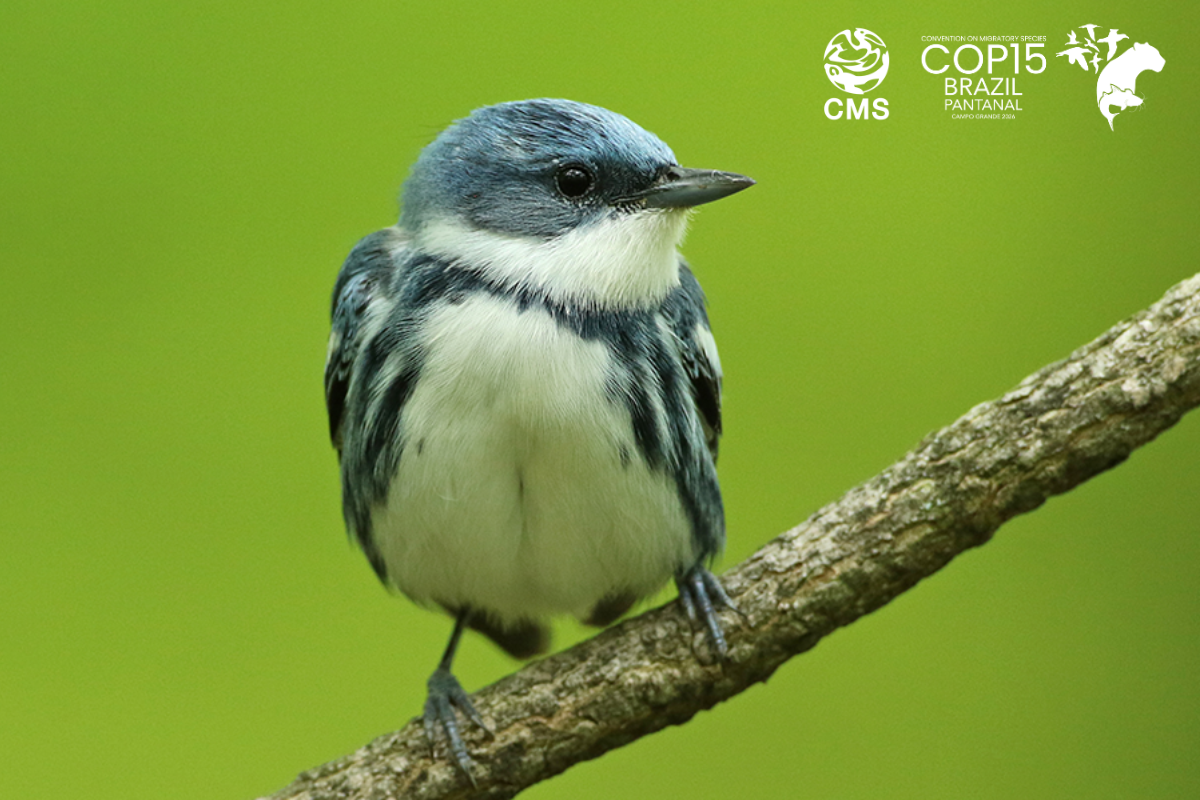
New UN-backed Atlas Maps Migratory Lifelines of Highly Vulnerable Bird Species Across the Americas
A powerful new online tool mapping the full annual journeys of an initial 89 highly vulnerable migratory bird species across the Americas was unveiled today at the UN wildlife conservation meeting, CMS COP15, giving governments, scientists and conservationists an unprecedented view of where action is most urgently needed to protect them.

Global Initiative to Address Mounting Pressures from Illegal and Unsustainable Taking of Migratory Species Announced at UN Wildlife Conservation Conference
Illegal and unsustainable taking of wildlife—driven largely by domestic use for food, local markets, cultural practices, and weak governance—has become one of the most urgent and escalating threats to migratory species worldwide. While global attention has largely focused on high-value illegal international trade, which can include trade in migratory species, for most of these species, taking linked to domestic motivations is a much greater threat.

UN: Vital Freshwater Fish Migrations are Collapsing
Some of the longest, most important migrations of species on Earth are happening beneath the surface of the world’s rivers and many are rapidly collapsing, according to a major new assessment by the Convention on the Conservation of Migratory Species of Wild Animals (CMS), an environmental treaty of the United Nations.

World's Nations Gather in Brazil to Agree on Actions Amid New Findings that More Migratory Species of Animals Are Facing Extinction
The 15th Meeting of the Conference of the Parties (COP15) to the Convention on the Conservation of Migratory Species of Wild Animals (CMS) opens here on Monday March 23 as a new reports reveals that almost half (49%) of all CMS-listed species have decreasing population trends, and nearly one in four are global threatened with extinction. Launched days before the summit, the State of the World's Migratory Species: Interim Report (2026) paints a stark picture of animals under pressure from a combination of overexploitation and habitat destruction, as well as pollution, climate change and invasive species.

New Report: Decline of Populations of Migratory Species of Animals Covered by UN Treaty Worsens from 44% to 49% in 2 Years
An interim report which provides an update to the landmark State of the World’s Migratory Species (2024) warns that 49% of migratory species populations conserved by the global UN treaty are declining, (5% more in just two years), and 24% of species face extinction (2% more).
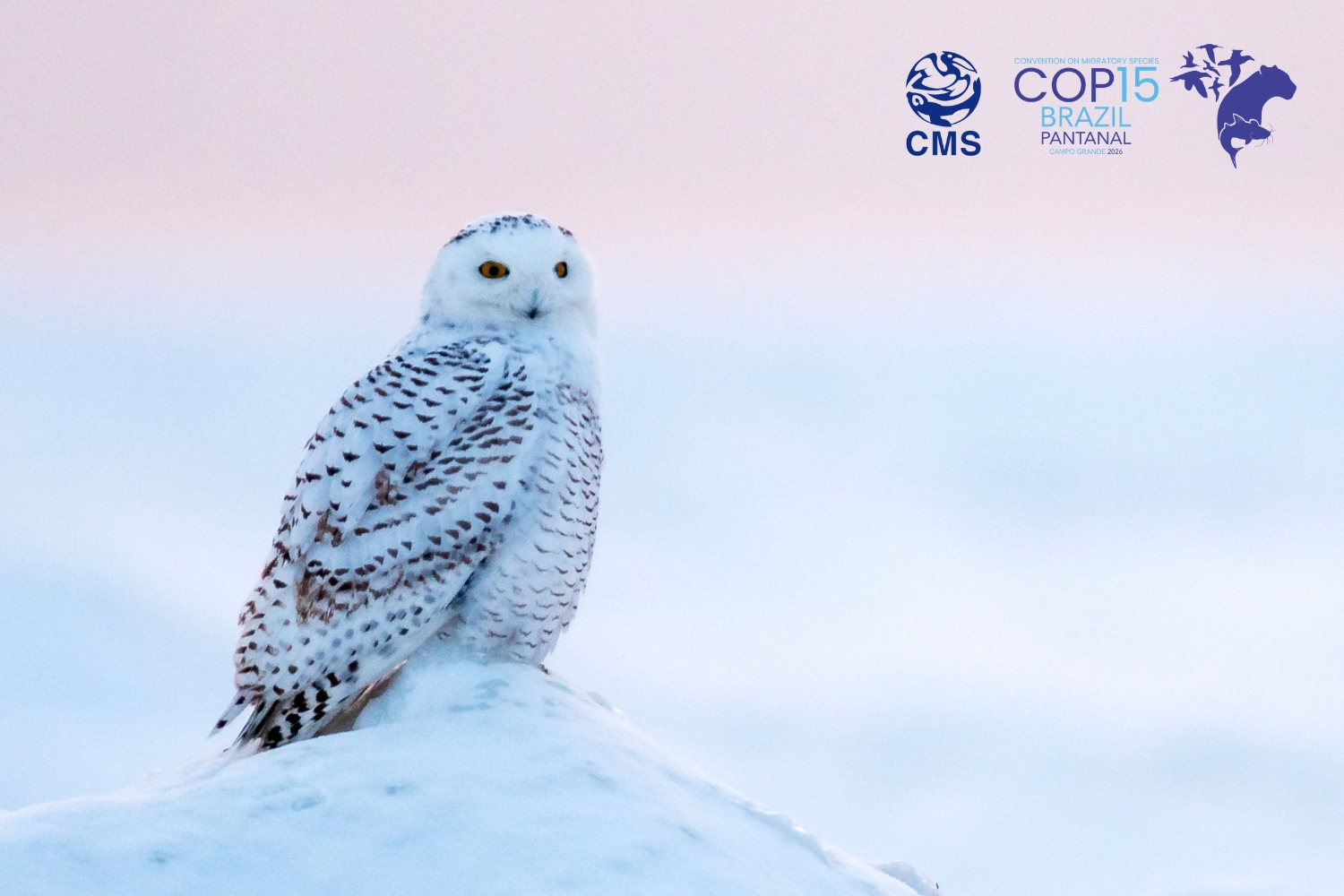
Threatened with Extinction, the Snowy Owl is Proposed for International Conservation
Parties to the Convention on the Conservation of Migratory Species of Wild Animals (CMS) have submitted proposals to add 42 new migratory species to the Convention’s appendices as needing international conservation. Due to its increasing population, one species – the Bukhara deer – is proposed to be removed from the list requiring the highest protection.
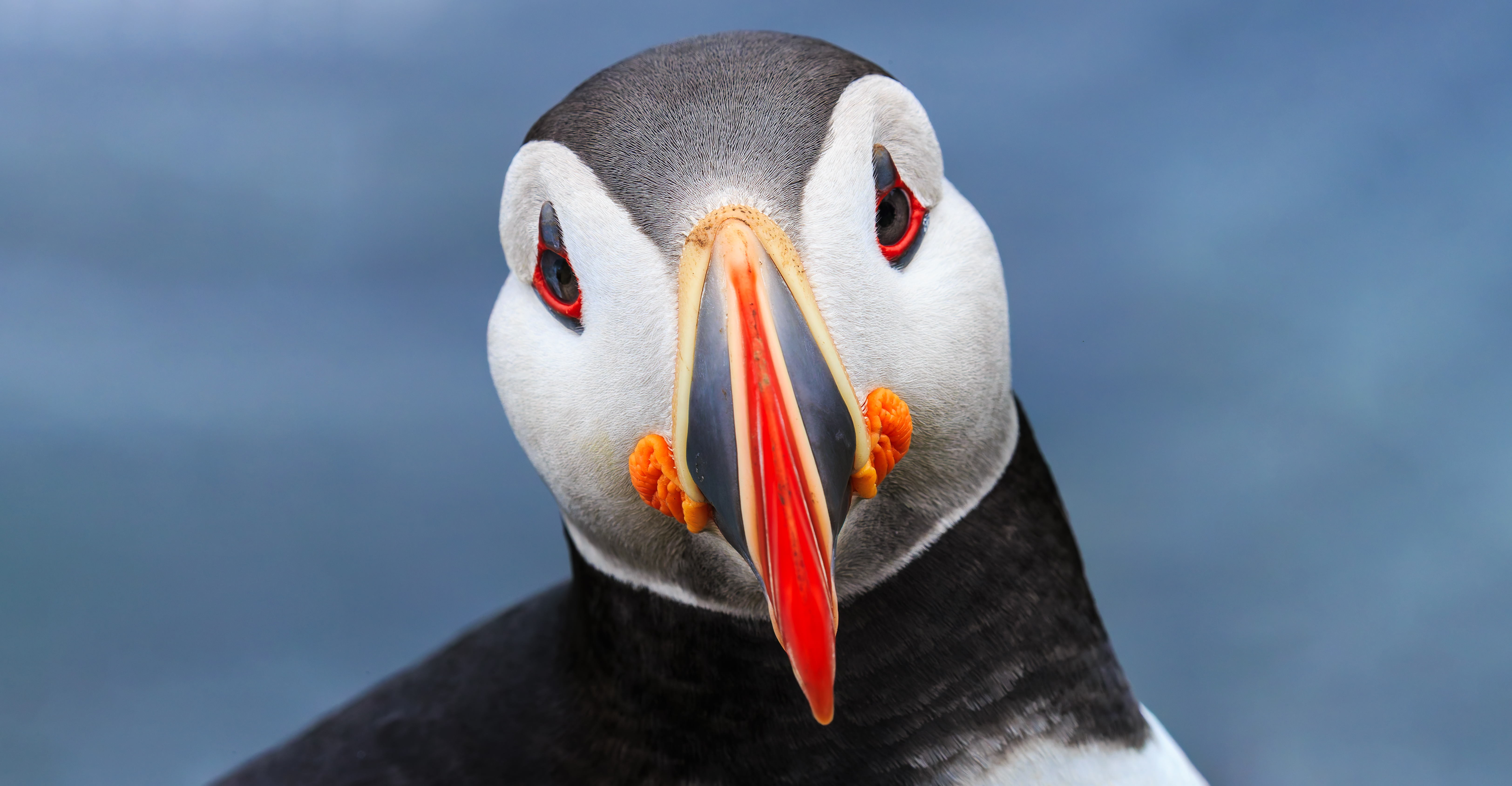
United for Flyways: African and Eurasian Nations Gather for UN Waterbird Conservation Meeting as New Status Report Guides Action
The 9th Session of the Meeting of the Parties (MOP9) to the Agreement on the Conservation of African-Eurasian Migratory Waterbirds (AEWA) opened today in Bonn, Germany, under the theme “United for Flyways.”
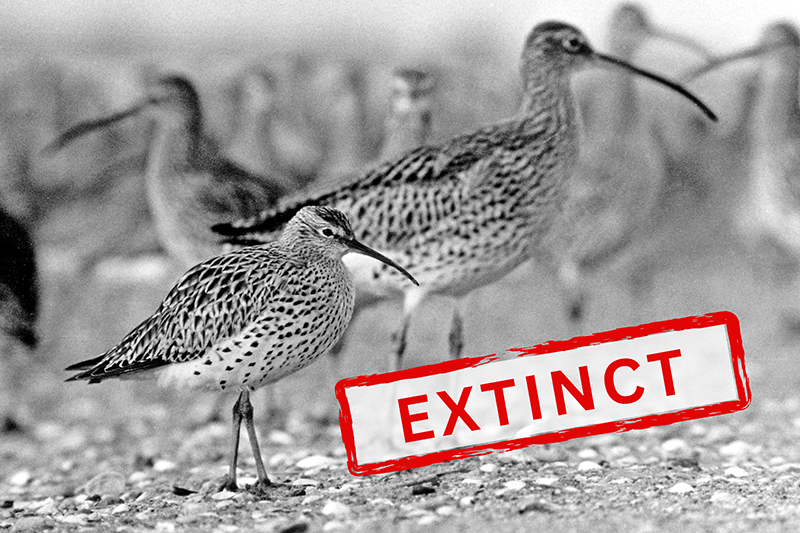
Slender-billed Curlew Officially Declared Extinct: A Wake-Up Call for Migratory Bird Conservation
Today, the International Union for Conservation of Nature (IUCN) has officially declared the Slender-billed Curlew (Numenius tenuirostris) extinct, marking the first known global extinction of a formerly widespread migratory bird species whose range included mainland Europe, North Africa, and West Asia. The last confirmed sighting of the species was at Merja Zerga, Morocco, just over thirty years ago, on 25 February 1995.