
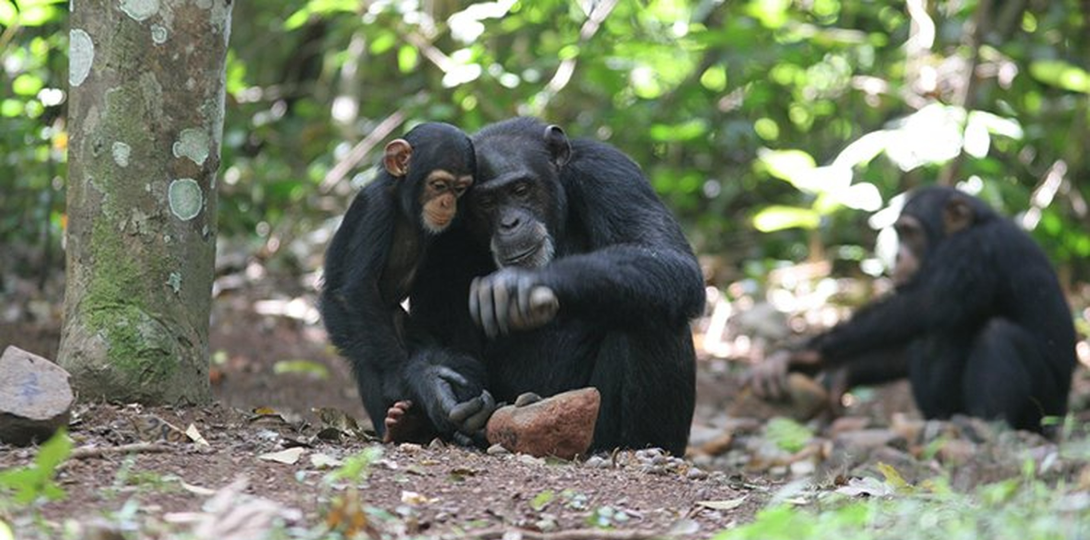
Animal Culture and Social Learning
What is animal culture?
Animal culture refers to information or behaviours shared within a group and acquired from others through some form of social learning. Animals can gain this knowledge by watching or interacting with others, rather than by inheriting innate behaviour directly through their DNA. Socially learned behaviours can include things like how to find food, build nests, or use tools. Many animals learn from each other, from chimpanzees and whales to birds and fish. Some cultural traits last for generations, while others spread quickly and then disappear, like trends or “fads.”
How does culture influence animals?

Culture shapes how animals live. It can affect how they feed, migrate, communicate, and respond to challenges. Because these behaviours can influence survival and reproduction, culture plays an important role in how well populations thrive. Understanding animal culture can also help scientists identify different groups within a species and develop better conservation strategies.
Why does animal culture matter for conservation?
As the environment changes due to human activity, understanding animal culture becomes increasingly important. Social learning can help animals to adapt - for example, by developing new ways to find food or avoid threats. This can make populations more resilient. However, culture can also generate vulnerability, particularly if animals stick to established cultural behaviours and resist adopting more adaptive behaviour as their environment changes.
By considering how knowledge spreads within and between animal groups, conservation efforts can become more effective. Protecting not just species, but also their ability to learn and adapt, is key to helping them survive in a rapidly changing world.
For further reading, download the CMS Fact Sheet here and consult Brakes P et al. (2019) Animal cultures matter for conservation. Science 363,1032–1034. https://doi.org/10.1126/science.aaw3557.
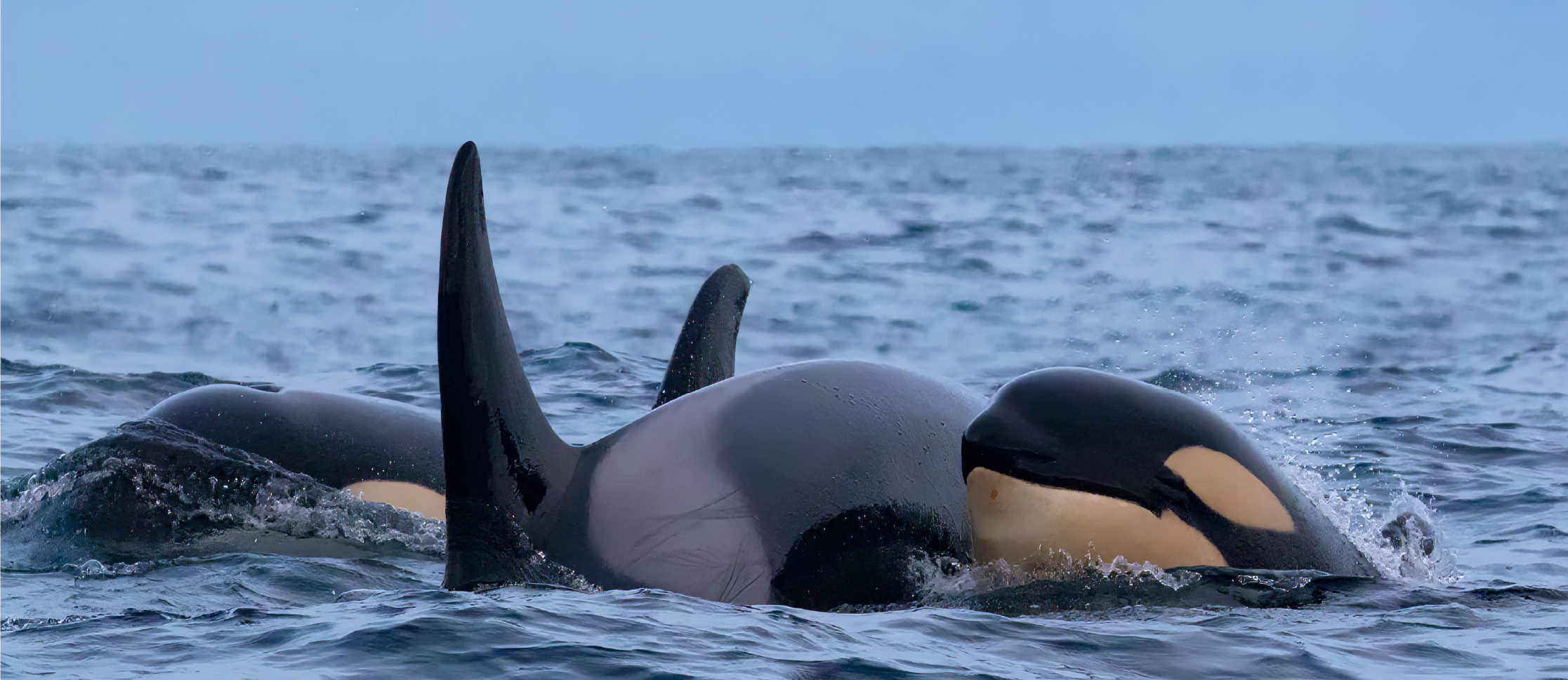
A pod of foraging Orcas © Rob Lott
How does CMS support this work?
Our work within CMS focuses on understanding how the processes of animal culture and social learning can shape conservation and how conservation measures should be best designed and implemented.
An Expert Working Group was established in 2015. It currently has 88 members, all considered leaders in the fields relevant for animal behaviour, sociality and culture, for all the different taxonomic groups covered by CMS, and is chaired by Dr. Philippa Brakes (University of Canterbury and Massey University, New Zealand).
The Terms of Reference for the Expert Working Group are available here.
In 2014, CMS organized a Workshop on the Conservation Implications of Cetacean Culture, bringing together experts to examine how socially learned behaviours in whales and dolphins influence population structure, resilience, and vulnerability. The workshop concluded that cultural transmission - such as learned migration routes, foraging specializations, and social knowledge—can significantly affect conservation outcomes, sometimes enhancing adaptability, but also increasing risks when key individuals or traditions are lost. Participants highlighted that cultural traits can shape population boundaries, influence recovery rates, and interact with human activities in complex ways, making some groups more susceptible to threats. They recommended that CMS integrate culture and social complexity into conservation planning, apply precautionary management where data are limited, and recognize culturally distinct units in policy decisions. Further noting that the loss of culturally important individuals can have impacts far beyond simple population numbers. You can access the report here.
Building on this foundation, CMS organized another workshop in 2018, the 1st Workshop on Conservation Implications of Animal Culture and Social Complexity which broadened the scope from cetaceans to a wide range of taxa, including birds, mammals, fish, reptiles, and invertebrates. Participants emphasized that cultural traits - such as learned foraging strategies, migration routes, communication systems, and social roles - can shape population structure, resilience, and vulnerability, making cultural diversity itself an important component of biodiversity. It was highlighted that disruptions to social learning, loss of key knowledge‑holding individuals, and human–wildlife conflict can have population‑level consequences, and that conservation strategies must consider social networks, cultural transmission pathways, and demographic structure. Recommendations included integrating cultural considerations into CMS and IUCN processes, improving communication about animal culture, developing rapid assessment tools for detecting social transmission, and designing reintroduction and mitigation programmes that preserve or restore cultural knowledge. You can read the report here.
For further reading, here one of the main outputs of that meeting: Brakes P et al. (2019) Animal cultures matter for conservation. Science 363,1032–1034. https://doi.org/10.1126/science.aaw3557
In 2023, CMS organized the 2nd Workshop on Conservation Implications of Animal Culture and Social Complexity which represented a further step toward practical implementation. Organized into taxonomic sub‑groups, participants evaluated the strength of evidence for cultural processes across species, assessed how cultural knowledge shapes resilience or vulnerability, and worked toward criteria for identifying culturally significant units. This workshop shifted the focus from conceptual recognition (2014) and broad taxonomic expansion (2018) to operationalizing culture in conservation practice - informing CMS listings, guiding management decisions, and emphasizing the need to preserve or restore critical cultural knowledge.
The 2023 CMS workshop brought together the taxonomic sub‑groups and experts to review evidence of social learning and culture across migratory species and to refine conservation recommendations for the CMS Scientific Council. Participants examined how cultural behaviours—such as learned migration routes, vocal traditions, foraging strategies, and social structures - shape population resilience, vulnerability, and responses to environmental change. Sub‑groups focused on different taxonomic groups assessed where cultural processes are known, likely, or uncertain, and highlighted cases where cultural knowledge can buffer species against threats or, conversely, make them more susceptible when key traditions or knowledge‑holders are lost. The workshop emphasized that cultural traits can define biologically meaningful units for conservation, influence recovery trajectories, and interact with anthropogenic pressures in complex ways. It concluded with recommendations to integrate cultural considerations into CMS listings and management, develop criteria for identifying culturally significant units, improve data collection on social learning, and ensure that conservation actions preserve or restore critical cultural knowledge. You can read the report here.
At COP15 (Campo Grande, Brazil, March 2026), Parties adopted a revised Resolution and new Decisions that set the direction for the next phase of this work:
The revised Resolution (Resolution 11.23 (Rev.COP15)) updates and broadens the foundational mandate on animal culture. It extends recognition of cultural processes across all vertebrate taxa. It introduces the concept of 'cultural capacity' as something Parties should actively support, urges a precautionary approach to the management of any species for which social learning is a potential conservation issue, and calls for special attention to threats facing identified cultural groups, including human–wildlife conflict. The final Resolution can be found here.
The related Decisions (15.220–15.224) translate these principles into concrete tasks for the next intersessional period. They encourage Parties to apply the findings of this work stream within their work under CMS instruments. An in-person workshop is foreseen to help advance advice on implementation in practice, for which funding is being sought. The Expert Working Group has received numerous mandates that will help promote the practical application of the increasing knowledge about animal culture and social learning in conservation management. This includes the development of best practice advice and guidance for scientists on detecting social learning. Work will also focus on informing CMS instruments about the relevance of animal culture and social learning to their work, and close collaboration with the IUCN. Topics of relevance include issues such as human-wildlife interactions, climate change, links with area-based conservation tools such as IMMAs and ISRAs, and impacts of removals on social structure and cultural capacity. All COP15 Decisions can be found here.
Cooperation between CMS and IUCN
CMS and IUCN work together to ensure that animal culture and social complexity are recognized as essential components of species conservation, with CMS integrating these concepts into policy and listings, and IUCN evaluating how to embed them into global assessment and management guidelines.
While CMS focuses specifically on migratory species, IUCN brings expertise on non-migratory species and broader conservation practice - approaches that complement each other. Areas of particular synergy include translocation and reintroduction practice, human-wildlife conflict, the perspectives of indigenous peoples and local communities, and the potential to incorporate cultural considerations into tools such as the IUCN Red List and Green Status of Species assessments.
Collaboration between the two organizations in this field has grown steadily since IUCN representatives attended the 2023 CMS workshop. In 2025, IUCN launched a dedicated five-year initiative on animal culture in partnership with the Arcus Foundation and established the new CEESP-SSC Conservation of Animal Cultures Task Force -both closely coordinated with the CMS Animal Culture Expert Working Group. CMS COP15 mandated the continuation and deepening of this collaboration during the next intersessional period.
From Workshop to Publication
The sub-group summaries prepared for the 2nd CMS Workshop on Conservation Implications of Animal Culture and Social Complexity in April 2023 inspired the publication of a dedicated special issue of Philosophical Transactions of the Royal Society B, published in May 2025 under the title Animal culture: conservation in a changing world. It presented for the first time a comprehensive picture of how the science of animal culture can have important implications for conservation agendas. The themed issue covers taxonomic reviews, cross-cutting issues, and conservation-focused articles on topics such as translocation and cultural rescue. All 19 articles are open access and can be found here.
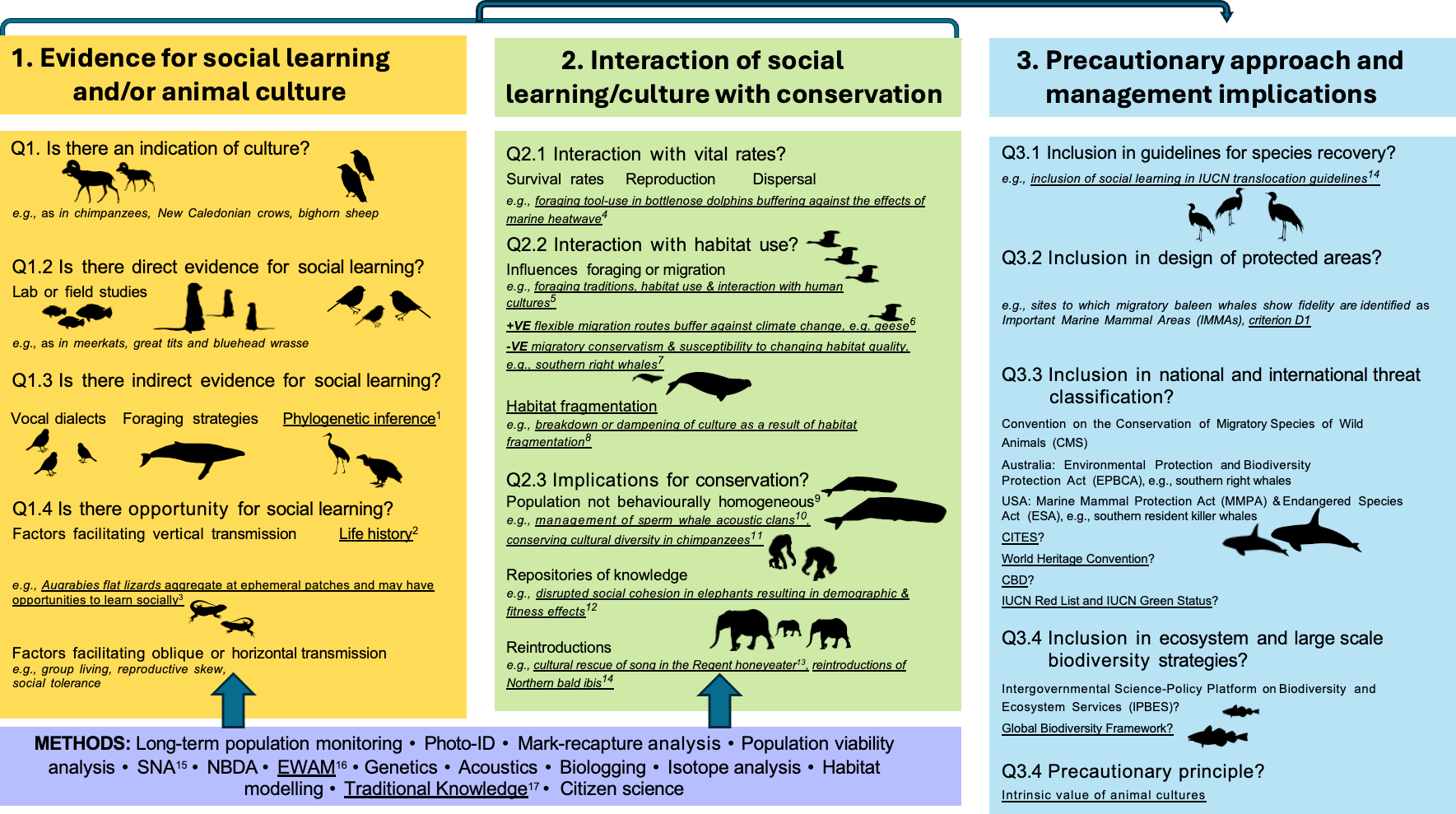
A decision framework for translating evidence of animal social learning and culture into conservation action, moving from assessing the evidence (left), through evaluating interactions with conservation-relevant processes (center), to identifying precautionary management implications and policy practice (right) (Brakes et al., 2021)
Source: Philippa Brakes, Lucy Aplin, Emma L. Carroll, Alison L. Greggor, Andrew Whiten, Ellen C. Garland; Animal culture: conservation in a changing world. Philos Trans R Soc Lond B Biol Sci 1 May 2025; 380 (1925): 20240127. https://doi.org/10.1098/rstb.2024.0127
Taxonomic Perspectives
- Birds
Cultural transmission is particularly well documented in birds. Song learning is pervasive in songbirds and parrots - together representing over 40% of global avifaunal diversity - and migratory routes, foraging innovations, and vocal traditions have all been shown to shape population structure and influence fitness. Migratory routes in particular may be irreversibly lost if local populations are exterminated, and the cultural inheritance of migration knowledge appears widespread across families including waterfowl, cranes, raptors, and terns. Vocal culture can be lost through three distinct processes: erosion and fragmentation, where population decline reduces song diversity; divergence, where individuals learn the songs of other species due to a lack of conspecific tutors; and convergence, where the songs of co-occurring species shift toward a shared type following habitat loss. Each process carries potential fitness consequences, and with global biodiversity declining, more examples of vocal culture loss are expected to emerge - making its conservation and restoration an increasingly important management priority.
2023 Workshop Report of the Taxonomic Sub-Groups: Birds
Lucy Aplin, Ross Crates, Andrea Flack, Peter McGregor; Social learning and culture in birds: emerging patterns and relevance to conservation. Philos Trans R Soc Lond B Biol Sci 1 May 2025; 380 (1925): 20240128. https://doi.org/10.1098/rstb.2024.0128
Ross Crates, Daniel Appleby, William Bray, Naomi E. Langmore, Robert Heinsohn; Conserving avian vocal culture. Philos Trans R Soc Lond B Biol Sci 1 May 2025; 380 (1925): 20240139. https://doi.org/10.1098/rstb.2024.0139
_________
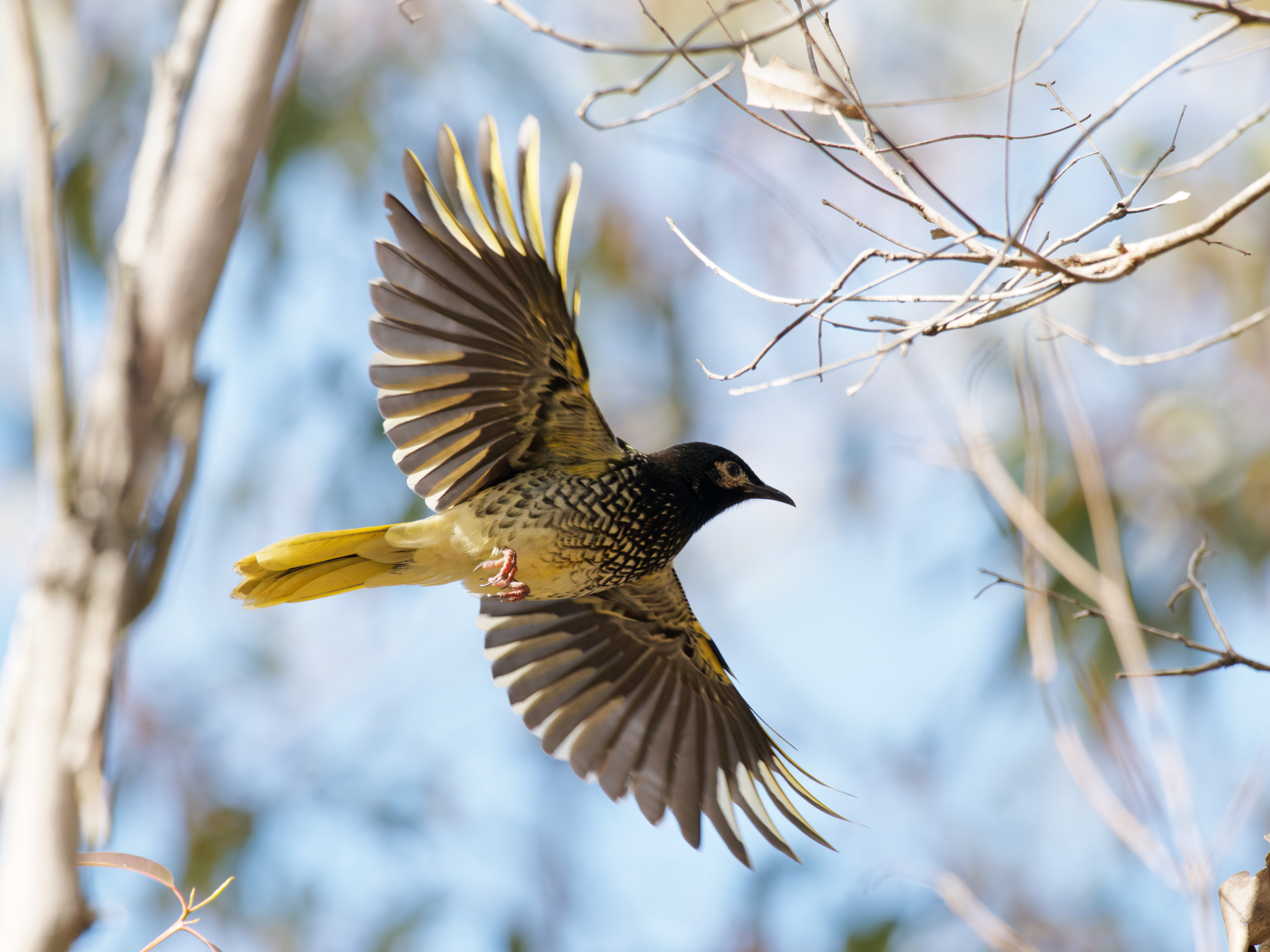
Regent Honeyeater © Adobe Stock Images
Loss of vocal culture in regent honeyeaters
Anthochaera phrygia — Critically Endangered, south-eastern Australia
<250
mature individuals remaining
~12%
of wild males sing other species' songs
285
zoo-bred birds released
(2001–2020)
The regent honeyeater offers an example of cultural loss driven by population collapse. As numbers fell below critical thresholds, juvenile males, unable to find conspecific tutors, began learning songs from other species or developing simplified versions of the species-typical song. By 2021, the "typical Blue Mountains" song dialect that had defined the population just years earlier had vanished entirely from the wild.
CULTURAL EROSION
Males with atypical songs were less likely to attract mates and less likely to initiate nesting, a direct fitness cost of cultural loss. As the simplified "clipped" dialect spread, these fitness disadvantages faded, suggesting the population is adapting to its own eroded song culture.
ZOO POPULATION & INTERVENTION
Zoo-bred birds developed a distinct song culture from scratch, juveniles crèched together crystallized a song resembling juvenile babbling calls. Since 2020, targeted playback and live tutoring from wild-caught males have been used to teach zoo birds the original wild dialect before release.
CONSERVATION SIGNIFICANCE
The zoo-bred population is now the sole remaining repository of the traditional Blue Mountains song dialect. Reducing the cultural divide between zoo-bred and wild birds is considered critical to preventing assortative mating post-release, making song culture itself a conservation target.
- Reptiles
Evidence for social learning in reptiles is more limited than in mammals and birds, but it is growing. Tortoises, turtles and lizards have all been shown to learn from observing conspecifics, and gaze-following - a marker of social cognition - has been documented across multiple reptile orders. Several behaviours observed in wild populations are plausible candidates for cultural traditions: sea turtles show strong fidelity to migration routes and feeding grounds across generations, saltwater crocodiles aggregate predictably at seasonal feeding sites in ways that may involve social information transfer, and some lizard populations share consistent foraging paths. Reptile embryos and hatchlings also produce vocalisations that may synchronize hatching or elicit parental care, hinting at more complex social communication than traditionally assumed. Whether any of these represent genuine cultural transmission remains an open question, but one that warrants further research - including through citizen science partnerships with conservation programmes, zoos, and aquaria that have sustained access to these difficult-to-study species.
Reports of the Taxonomic Sub-Groups: Reptiles
Anna Wilkinson, Stephan A. Reber, Holly Root-Gutteridge, Angela Dassow, Martin J. Whiting; Cold-blooded culture? Assessing cultural behaviour in reptiles and its potential conservation implications. Philos Trans R Soc Lond B Biol Sci 1 May 2025; 380 (1925): 20240129. https://doi.org/10.1098/rstb.2024.0129
- Fish
Social learning in fish underpins much of their behaviour including migration, foraging, habitat choice, and anti-predator behaviour. The strongest evidence for culturally transmitted migration routes comes from coral reef species, where transplant experiments show that route preferences persist across generations through social transmission. Such traditions are likely far more widespread. In commercially important species such as herring, and cod, and likely also salmonids, younger fish appear to learn migration timing or routes by following older, experienced individuals -meaning fisheries that selectively remove larger, older fish may inadvertently strip populations of cultural knowledge. The failure of some North Sea stocks to recover despite years of fishing moratoriums has been hypothesised to partly reflect cultural loss. Social learning protocols are also increasingly used to improve post-release survival of hatchery-reared fish, demonstrating that recognising culture in fish has direct practical applications for conservation management.
2023 Workshop Reports of the Taxonomic Sub-Groups: Fish
Culum Brown, Michael Webster; Fishy culture in a changing world. Philos Trans R Soc Lond B Biol Sci 1 May 2025; 380 (1925): 20240130. https://doi.org/10.1098/rstb.2024.0130
- Migratory Ungulates
Ungulate migrations are now understood to be socially learned and culturally transmitted across generations, becoming more efficient over time through cumulative cultural evolution. The most direct evidence comes from translocations of bighorn sheep and moose into areas with no prior migratory residents: animals did not develop migratory behaviour until they had decades to learn local resource patterns. But when introduced into populations where migration had already begun to emerge, naive individuals began migrating within just one to two years - demonstrating horizontal social transmission. Further evidence includes direct observation of mule deer fawns inheriting their mother’s migratory paths as well as her summer and winter ranges. Caribou cows have returned to the same calving grounds for at least six decades, guided by spatial and attribute memory rather than changing the location of their calving grounds from year to year in search of the best environmental conditions i. Migration routes may also be reinforced passively through local enhancement - well-worn paths and scent trails left by the hooves of previous migrants providing social information to those that follow. Because different migratory strategies within a population vary in their fitness advantages depending on environmental conditions, maintaining this diversity can buffer populations against environmental change. Each distinct migratory tradition may therefore represent a culturally significant unit deserving the same conservation attention as an evolutionarily significant one - a concept with direct implications for how habitat connectivity, hunting practices, and translocation programs are managed.
2023 Workshop Reports of the Taxonomic Sub-Groups: Ungulates
Brett Jesmer, Janey Fugate, Matthew Kauffman; On the interface between cultural transmission, phenotypic diversity, demography and the conservation of migratory ungulates. Philos Trans R Soc Lond B Biol Sci 1 May 2025; 380 (1925): 20240131. https://doi.org/10.1098/rstb.2024.0131
- Elephants
Elephants have complex multi-generational social systems built on long-term memory and intergenerational knowledge transfer, sharing information about migration routes, water sources, risk avoidance, and appropriate social behaviour. Matriarchs serve as knowledge repositories, and families led by older matriarchs show greater social awareness, more appropriate responses to predators, and better calf survival during drought. Direct evidence of social learning remains surprisingly scarce, but a systematic review of 95 studies of disrupted elephant populations provides compelling indirect evidence - severely disrupted populations are less cohesive, respond inappropriately to threats, and show reduced calf survival, consistent with the severing of information transmission chains. The disproportionate loss of mature individuals through poaching can undermine the social knowledge of entire communities, with effects that persist across multiple generations. Without older males, young bulls can exhibit extremely aggressive and destructive behavior, illustrating how cultural disruption affects both sexes. There is also emerging evidence of vocal traditions, with rumble calls differing between populations in ways better explained by group membership than by genetic relatedness. Population numbers alone are therefore an insufficient measure of elephant conservation: social structure and the diversity of locally acquired knowledge must also be taken into account, making the identification and protection of culturally significant units an urgent conservation priority.
2023 Workshop Reports of the Taxonomic Sub-Groups: Elephants
Lucy Bates, Victoria Louise Fishlock, Joshua Plotnik, Shermin de Silva, Graeme Shannon; Knowledge transmission, culture and the consequences of social disruption in wild elephants. Phil Trans R Soc Lond B Biol Sci 1 May 2025; 380 (1925): 20240132. https://doi.org/10.1098/rstb.2024.0132
- Baleen Whales
Cultural behaviours in baleen whales -including song traditions, migratory fidelity, and maternally transmitted feeding strategies - provide some of the best evidence for social learning across the animal kingdom. Humpback whales maintain multiple independently evolving cultural traits within a population simultaneously, including song culture, migratory culture, and socially learned foraging traditions such as lobtail feeding, which spread through nearly 40% of a Gulf of Maine population following a shift in local prey availability. Right whales transmit preferences for migratory destinations from mother to calf, and the loss of this cultural memory through whaling has left some formerly inhabited wintering grounds unoccupied for centuries - a patchwork of recovery with direct implications for conservation. A striking recent example is the North Atlantic right whale, where a specific cohort shifted to a new foraging site in the Gulf of St Lawrence after 2015, a change that contributed to lethal entanglements before managers were aware of the aggregation, and has since been linked to improved reproductive rates in the whales feeding there. Blue whales use spatial memory to time their northward migrations to exploit predictable resource hotspots rather than responding to conditions in real time. Research on well-studied species is helping to develop practical indicators of social learning that can be applied to more elusive ones, building a framework for conservation assessment across the full diversity of baleen whale species.
2023 Workshop Reports of the Taxonomic Sub-Groups: Mysticetes
Ellen C. Garland, Peter Corkeron, Michael J. Noad, Briana Abrahms, Jenny A. Allen, Rochelle Constantine, Luke Rendell, Renata S. Sousa-Lima, Kathleen M. Stafford, Emma L. Carroll; Culture and conservation in baleen whales. Philos Trans R Soc Lond B Biol Sci 1 May 2025; 380 (1925): 20240133. https://doi.org/10.1098/rstb.2024.0133
__________
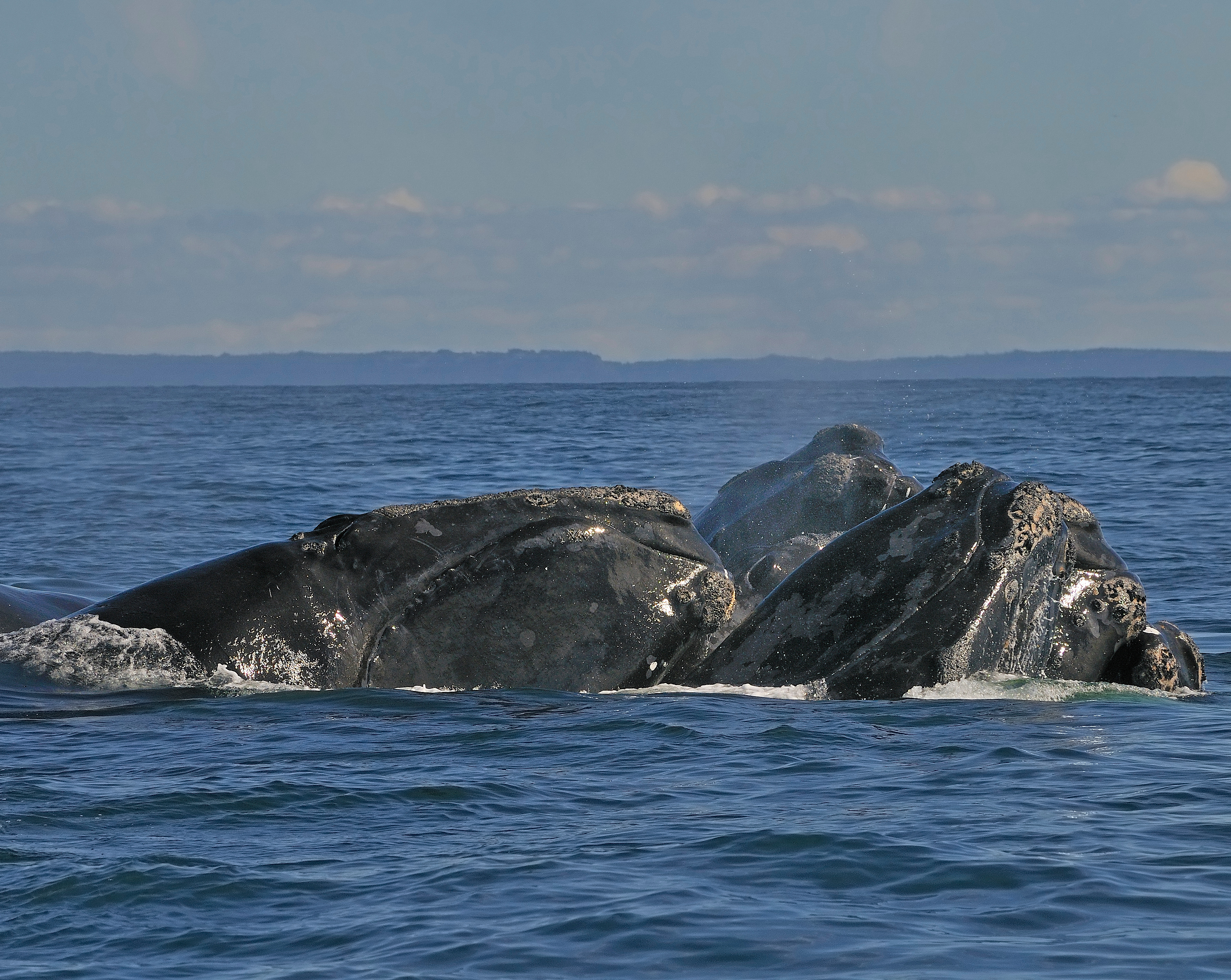
Northern Right Whales © Adobe Stock Images
Cultural shift in North Atlantic right whales
Eubalaena glacialis - Critically Endangered, North Atlantic
< 340
individuals remaining
Post-2015
cohort shift to Gulf of St Lawrence foraging grounds
After 2015, a specific cohort of North Atlantic right whales shifted their foraging to a new site in the Gulf of St Lawrence - a culturally mediated change in habitat use that had immediate conservation consequences. Managers were unaware of the new aggregation until lethal entanglements with fishing gear had already occurred.
CONSERVATION CONSEQUENCES
The cultural shift contributed directly to mortality before management could respond. At the same time, whales foraging at the new site showed improved reproductive rates, illustrating how culturally driven changes in habitat use can simultaneously generate new threats and new opportunities.
MANAGEMENT CHALLENGE
Conservation management typically assumes relatively stable habitat use, but culturally transmitted behaviour can shift faster than monitoring systems can track. Building surveillance capacity to detect such changes in near real time is now recognized as an urgent priority for right whale recovery.
- Toothed whales and dolphins
Sperm whale populations are strongly structured by cultural clans defined by shared vocal repertoires, foraging specializations, and social organization. In the Eastern Tropical Pacific—where seven distinct clans have been identified and where a CMS Concerted Action has been in place since 2017—sperm whales must contend with a myriad of anthropogenic threats including fishing gear entanglement, vessel traffic, pollution, and climate-driven changes to prey availability. Given that clans have been found to respond differently to El Niño events, it is likely that clan-specific responses to anthropogenic threats differ as well, and certain clans may be more intrinsically vulnerable to extinction than others—strengthening the case for treating clans as separate conservation units. Impacts on one clan cannot be offset by the presence of others, and the near-complete removal of mature males from the region during industrial whaling in the 1970s and 80s had lasting effects on reproductive capacity detectable at least two decades later. Strengthening transnational collaboration—including through the Red Cachalotes del Pacífico research network established across range states—and making use of autonomous acoustic monitoring technologies are identified as key steps toward addressing remaining knowledge gaps.
Socially learned communication and foraging behaviours are documented across odontocetes more broadly. For instance, a global review identified 55 cases of likely socially transmitted foraging tactics across 6 odontocete species. Vertical transmission from mother to offspring is the predominant learning pathway for these behaviours, and, where tactics are culturally embedded—as in the rigidly specialized dietary preferences of killer whale ecotypes—populations can become particularly vulnerable when preferred prey declines, making the ecotype rather than the species the relevant unit for conservation.
2023 Workshop Reports of the Concerted Action Sub-Groups: Eastern Tropical Pacific Sperm Whales
Taylor A. Hersh, Daiane S. Marcondes, Gabriel F. Fonseca, João V. S. Valle-Pereira, Michaela A. Kratofil, Alexandre M. S. Machado, Shanan Atkins, Kyra R. Bankhead, Kiera McGarvey, Muhammad Mahmudur Rahman, Stephane P. G. de Moura, Fernanda Fecci, Mauricio Cantor; Ecology and conservation of socially learned foraging tactics in odontocetes. Philos Trans R Soc Lond B Biol Sci 1 May 2025; 380 (1925): 20240134. https://doi.org/10.1098/rstb.2024.0134
Ana Eguiguren, Isabel Avila, Sarah Mesnick, Mauricio Cantor, Taylor Hersh, Héctor Pérez-Puig, Patricia Rosero, Luke Rendell, Hal Whitehead, Constanza Rojas, Juan Jose Alava; Integrating cultural dimensions in sperm whale (Physeter macrocephalus) conservation: threats, challenges and solutions. Philos Trans R Soc Lond B Biol Sci 1 May 2025; 380 (1925): 20240142. https://doi.org/10.1098/rstb.2024.0142
Concerted Action 12.2 (Rev.COP15) Concerted Action for Sperm Whales (Physeter macrocephalus) of the Eastern Tropical Pacific
_____________
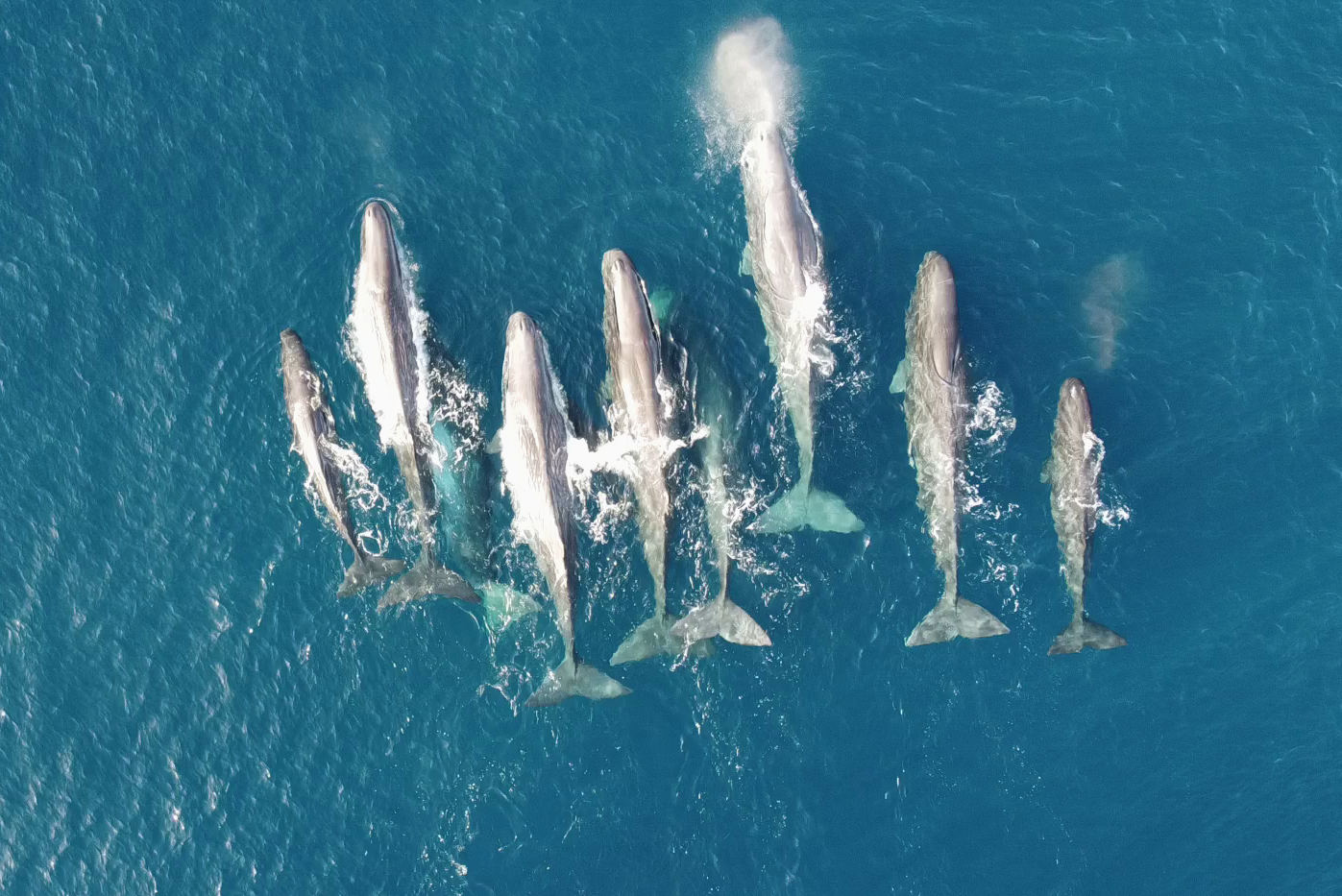
A pod of Sperm Whales © Ana Eguiguren - Whitehead Lab (taken under Galapagos National Park Research Permit No. PC-86-22)
Sperm whale clans and the CMS Concerted Action for the Eastern Tropical Pacific (ETP)
Physeter macrocephalus - Vulnerable
7
distinct vocal clans identified in the Eastern Tropical Pacific
2017
the CMS Concerted Action was first adopted
~20,000
sperm whale codas extracted from ETP recordings for analysis
CULTURAL STRUCTURE AND VULNERABILITY
Sperm whales in the Eastern Tropical Pacific are organised into cultural clans defined by shared vocal repertoires—distinctive patterns of clicks known as codas—with some also displaying distinct social and foraging behaviours. Seven clans have been identified in the region, and because they differ in habitat use and behaviour, impacts on one clan cannot necessarily be compensated for by the presence of others. These differences highlight the importance of incorporating culture into conservation planning.
THE CONCERTED ACTION IN PRACTICE
First adopted at CMS COP12 in 2017 and renewed at COP14 and COP15, the Concerted Action has supported the establishment of the Red Cachalotes del Pacífico, a transnational research network spanning all range states of the Eastern Tropical Pacific. Key activities include AI-assisted photo-identification through Flukebook and Happywhale, passive acoustic monitoring deployments in Chilean waters, and contributions to the Global Sperm Whale Dialect Project. Approximately 20,000 codas extracted from ETP recordings are being incorporated into regional and global datasets to improve understanding of cultural diversity and connectivity. Long-term monitoring has documented substantial changes in clan composition around the Galápagos Islands, with four clans recorded during surveys conducted in 2022–2023.
OUTSTANDING CHALLENGES
Significant knowledge gaps remain. The movements and ecology of mature males are still poorly understood, and clan-level assessments of threats are incomplete across much of the region. Sustained funding for long-term monitoring and support for local scientists and communities —including stranding response programmes that provide important information on causes of mortality—remain priorities for the next intersessional period.
- Primates
Chimpanzees possess the richest cultural repertoire among non-human animals, with different communities across Africa maintaining distinct profiles of tool use, foraging techniques, social customs, and communication that are not necessarily genetically determined. For example, a large-scale study across 46 locations found that chimpanzees in areas of high human disturbance exhibited an 88% reduction in behavioural traits compared with those in the least disturbed areas, suggesting that cultural loss can precede and accelerate demographic decline - making the recognition and protection of culturally distinct units a conservation priority. A CMS Concerted Action focused initially on nut-cracking chimpanzees has helped justify the urgency in ongoing efforts to establish a regional research and monitoring network spanning all eight range nations of western chimpanzees and has helped to platform efforts to promote the integration of cultural and behavioural diversity metrics alongside traditional population assessment tools. This initial CA has since been broadened into a new Concerted Action for chimpanzee behavioural diversity and cultures more generally, reflecting a shift from behaviour-specific to diversity-wide conservation targets. More broadly, with nearly 60% of primate species endangered due to human-driven habitat change, there is a growing case for integrating cultural diversity into conservation strategies across the order.
2023 Workshop Reports of the Concerted Action Sub-Groups: Chimpanzees
Patricia Izar, Erica van de Waal, Martha M. Robbins; Integrating culture into primate conservation. Philos Trans R Soc Lond B Biol Sci 1 May 2025; 380 (1925): 20240135. https://doi.org/10.1098/rstb.2024.0135
Erin G. Wessling, Andrew Whiten, Serge K. Soiret, Katy Scholfield, Liran Samuni, Christian Rutz, Ian Redmond, Lilian Pintea, Annette Lanjouw, Kathelijne Koops, Serge A. Kamgang, Ammie K. Kalan, Rachel Ashegbofe Ikemeh, Tatyana Humle, Catherine Hobaiter, Heidrun Frisch-Nwakanma, Elodie Freymann, Osiris Doumbe, Philippa Brakes, Ekwoge Abwe, Crickette Sanz; Concerted conservation actions to support chimpanzee cultures. Philos Trans R Soc Lond B Biol Sci 1 May 2025; 380 (1925): 20240143. https://doi.org/10.1098/rstb.2024.0143
Concerted Action 14.1 (Rev.COP15) Concerted Action for Chimpanzee (Pan troglodytes) Behavioural Diversity and Cultures
_________
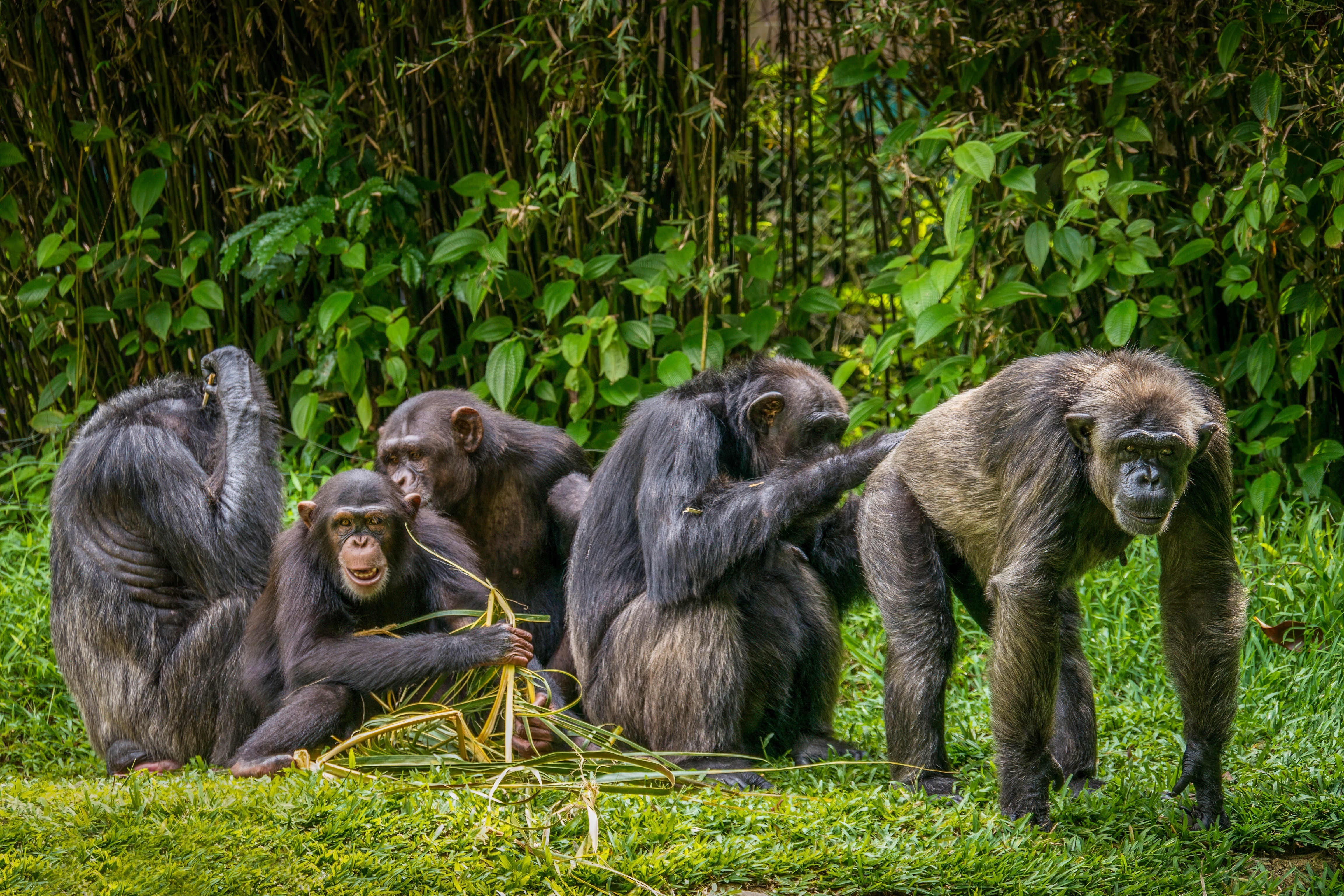
Chimpanzee family © Adobe Stock Images
Chimpanzee cultural loss and the CMS Concerted Action
Pan troglodytes - Endangered, sub-Saharan Africa
88%
reduction in behavioural diversity in high human-impact areas
46
locations surveyed across Africa
8
range nations covered by the CMS Concerted Action
Chimpanzees possess the richest cultural repertoire among non-human animals, with communities across Africa maintaining distinct profiles of tool use, foraging techniques, and social customs that are not genetically determined. A large-scale study found that cultural loss can precede and accelerate demographic decline.
CULTURAL EROSION
Chimpanzees in areas of high human disturbance showed an 88% reduction in behavioural diversity compared with those in least-disturbed areas. Because cultural knowledge underpins foraging efficiency, social cohesion, and community resilience, its loss may reduce a population's capacity to persist long before numbers fall to critical levels.
POLICY RESPONSE
A CMS Concerted Action initially focused on nut-cracking chimpanzees has grown into a broader initiative for chimpanzee behavioural diversity across all eight range nations of western chimpanzees - one clear examples of animal culture being translated directly into international conservation policy.
- Mammals and Beyond
A broader look across mammals and other taxa examines how the flexibility of social learning shapes conservation outcomes. The ability to learn from others can enable rapid spread of adaptive behaviors in response to environmental change, but it can equally facilitate the transmission of behaviors that create or worsen human–wildlife conflict. California sea lions, for instance, have socially transmitted the habit of foraging at salmon ladders, undermining salmon conservation efforts, while bear cubs reliably acquire bin-raiding behavior from their mothers through vertical transmission. The same processes can, however, be deliberately harnessed: captive-reared black-tailed prairie dogs trained to recognize predators in the presence of a knowledgeable adult female subsequently showed comparable post-release survival rates to wild-reared animals. Understanding which species are most likely to show flexible social learning, and at which life stages, is therefore an important priority both for designing effective conservation interventions and for anticipating where socially transmitted behaviours may generate unintended consequences.
Josh J. Arbon, Neeltje J. Boogert, Neil R. Jordan, Alex Thornton; The flexibility of social learning and its conservation implications in mammals and beyond. Philos Trans R Soc Lond B Biol Sci 1 May 2025; 380 (1925): 20240136. https://doi.org/10.1098/rstb.2024.0136
Cross-Cutting Issues
- Methods and Tools
Demonstrating social learning or culture in wild animals presents real challenges, but decades of research have produced a rich methodological toolkit to help. This includes social learning experiments, analysis of how novel behaviors spread through populations via network-based diffusion analysis, mapping of behavioral variation across groups, and assessment of cross-generational transmission including teaching and cumulative change. The bar for demonstrating culture may reasonably be set lower in a conservation context than in pure academic research, with the precautionary principle applied where time-sensitive management decisions are required. Newer rapid-assessment approaches - including camera trapping, passive acoustic monitoring, animal-borne bio-logging tags, and AI-assisted data mining - are particularly promising for addressing urgent conservation needs where direct experimental approaches are not feasible or ethical. Multiple convergent lines of evidence, gathered using different methods, are generally most compelling - as illustrated by the case of chimpanzee tool use, for which at least seven different methodological approaches have together built a robust case for cultural transmission strong enough to inform international conservation policy. A table S1 provided in the supplementary electronic information accompanying this article briefly overviews 80 illustrative studies of mammals, birds and fish that span 14 different methodological approaches to identifying social learning and culture.
Andrew Whiten, Christian Rutz; The growing methodological toolkit for identifying and studying social learning and culture in non-human animals. Philos Trans R Soc Lond B Biol Sci 1 May 2025; 380 (1925): 20240140. https://doi.org/10.1098/rstb.2024.0140
- Human Wildlife Interactions
Socially learned behaviors can both exacerbate and help manage human–wildlife interactions. Sulfur-crested cockatoos in Sydney have developed socially transmitted techniques for opening household bins, with humans continually developing new countermeasures that the birds then overcome - an example of what has been described as a cumulative cultural arms race between species. Novel behaviors may also arise in response to human activities or landscape changes, and understanding how such behaviors spread through social networks is essential to designing effective responses - particularly if action is taken early, during the window when only a few individuals are involved, before a behavior becomes culturally established. Positive interactions too have a cultural dimension: the cooperative foraging between bottlenose dolphins and artisanal fishers in southern Brazil, and between honeyguides and human honey-hunters in Africa, are both maintained through socially learned traditions on both sides - traditions now under pressure from changing economic practices. Culturally informed mitigation strategies - targeting the pathways of behavioral transmission rather than only individual animals - are more likely to be effective and durable. The language used to frame human–wildlife interactions also matters: moving beyond a purely conflict-centered framing and incorporating indigenous and local knowledge alongside both human and animal cultural context, are both identified as important elements of successful management.
2023 Workshop Reports of the Cross-Cutting Sub-Groups: Human-Wildlife Interactions
Estelle Meaux, Culum Brown, Sarah L. Mesnick, Caitlin O'Connell-Rodwell, Hannah S. Mumby; Worlds that collide: conservation applications of behaviour and culture in human–wildlife interactions. Philos Trans R Soc Lond B Biol Sci 1 May 2025; 380 (1925): 20240137. https://doi.org/10.1098/rstb.2024.0137
- Translocations and Reintroductions
The success of animal translocation programmes (including reintroductions) depends heavily on whether released animals retain or can acquire the cultural knowledge they need to survive. Without adequate opportunities for social learning, animals can lose adaptive migratory behaviour - as seen in whooping cranes, bighorn sheep, and lesser spotted eagles - and struggle to acquire resources, particularly in seasonal or changing environments. Whooping cranes have been taught migration routes by following ultralight aircraft, and hatchery-reared fish trained in anti-predator and foraging behaviour through social learning show substantially better post-release survival. A lack of species- or population-appropriate cultural knowledge can also lead translocated animals toward human–wildlife conflict, as they fall back on easily accessible but risky food sources such as crops or refuse. For instance, juvenile elephants released into populations where adults frequently raid crops will acquire that behaviour and become vulnerable to human retaliation. When California condors were reintroduced without opportunities to learn from adults, they unexpectedly adopted dangerous preferences for power poles - a problem only resolved by returning birds to human care for social retraining. Conversely, there is also a risk of inadvertently seeding maladaptive behaviours: such as the potential for releases of naïve migratory fish to swamp residents and influence natural migration timing. Current international translocation guidelines do not yet directly address social learning, but a framework is now available for incorporating it into translocation planning, implementation, monitoring, and evaluation - with practical recommendations that account for the logistics, time constraints, and costs facing practitioners in the field.
2023 Workshop Reports of the Cross-Cutting Sub-Groups: Reintroductions/Translocations
Alison L. Greggor, Shermin de Silva, Culum Brown, Brett R. Jesmer, Daniel W. A. Noble, Thomas Mueller, Carlos R. Ruiz-Miranda, Christian Rutz, Sarah Elizabeth Scott, James Williams; Strategies for integrating animal social learning and culture into conservation translocation practice. Philos Trans R Soc Lond B Biol Sci 1 May 2025; 380 (1925): 20240138. https://doi.org/10.1098/rstb.2024.0138
- Habitat Health and Environmental Change
The quality and connectivity of habitats shape the richness and diversity of cultural behaviours that can be expressed within them. Habitat degradation, fragmentation and urbanization can each affect culture in distinct ways. Degradation and fragmentation reduce opportunities for social learning and transmission - and have been linked to the loss of song cultures in passerine birds and an 88% reduction in behavioural diversity in chimpanzee communities with high human impact, with potentially significant fitness consequences. Fragmentation can also increase between-patch cultural diversity through isolation, while urbanization may locally boost cultural innovation and richness through high social density and resource availability, yet simultaneously reduce diversity at larger scales through habitat homogenization. Cultural capacity - the ability of populations to develop, maintain, and transmit adaptive behaviours - can therefore erode well before effects appear in population numbers, making it an important but often overlooked dimension of conservation planning. A predictive framework now exists for anticipating how different types of environmental change will affect cultural outcomes, offering conservationists a practical tool for incorporating culture into habitat management decisions.
Sofia Bolcato, Lucy Aplin; The effect of habitat health and environmental change on cultural diversity and richness in animals. Philos Trans R Soc Lond B Biol Sci 1 May 2025; 380 (1925): 20240141. https://doi.org/10.1098/rstb.2024.0141
- Network Indicators of Cultural Resilience
Social network analysis offers tools for understanding how resilient a population's cultural knowledge is to the loss of key individuals. Simulations using long-term behavioral data from baboons, elephants, and bottlenose dolphins show that removing individuals from key network positions - rather than random or age-based removal - causes the greatest reduction in the efficiency with which information spreads through a group. Dolphin networks were most vulnerable, partly because foraging innovations such as sponge tool use are transmitted almost exclusively within matrilines and exhibited by only around 5% of the population, meaning the loss of a single individual could eradicate a particular tactic entirely. Elephant networks were more resilient, in part because strong kin-based associations create multiple redundant pathways for information flow. Groups with higher levels of innovation were better placed to recover fitness after disruption, as novel solutions could emerge that were not dependent on broken transmission chains. Identifying and protecting individuals who drive innovation and information flow - rather than focusing solely on population numbers - can therefore reduce a group's vulnerability to anthropogenic threats and promote cultural resilience.
Amelia C. Meier, Nicolas Restrepo Ochoa, Anna E. Nordseth, Molly Copeland, Vivienne Foroughirad, Janet Mann, George Wittemyer, Jennifer E. Smith; Network indicators of cultural resilience to anthropogenic removals in animal societies. Philos Trans R Soc Lond B Biol Sci 1 May 2025; 380 (1925): 20240144. https://doi.org/10.1098/rstb.2024.0144
- Cultural Processes and Demography
The relationship between cultural transmission and population demography has important implications for conservation modelling and management. Simulations coupling population dynamics with social learning show that even a simple learning bias can produce complex outcomes - including tipping a declining population into growth, or vice-versa. The speed at which a cultural variant spreads, the proportion of knowledgeable individuals in the population, and age structure all interact to shape demographic outcomes. Where the selective removal of older, knowledgeable individuals has effects disproportionate to their numbers, or where maladaptive behaviors spread rapidly through a group, standard demographic models may substantially underestimate conservation risk. This points to the need for conservation assessments that incorporate social learning alongside conventional metrics such as population size and survival rates.
Philippa Brakes, Sasha R. X. Dall, Stuart Townley; Cultural processes and demography: implications for conservation and beyond. Philos Trans R Soc Lond B Biol Sci 1 May 2025; 380 (1925): 20240145. https://doi.org/10.1098/rstb.2024.0145
https://royalsocietypublishing.org/rstb/issue/380/1925https://www.cms.int/meeting/2nd-cms-workshop-conservation-implications-animal-culture-and-social-complexity-part-ii#documents