COP15
The Fifteenth Session of the Conference of the Parties
to the Convention on the Conservation of Migratory Species of Wild Animals
Meeting Process
Events
Communication & Media
Participation
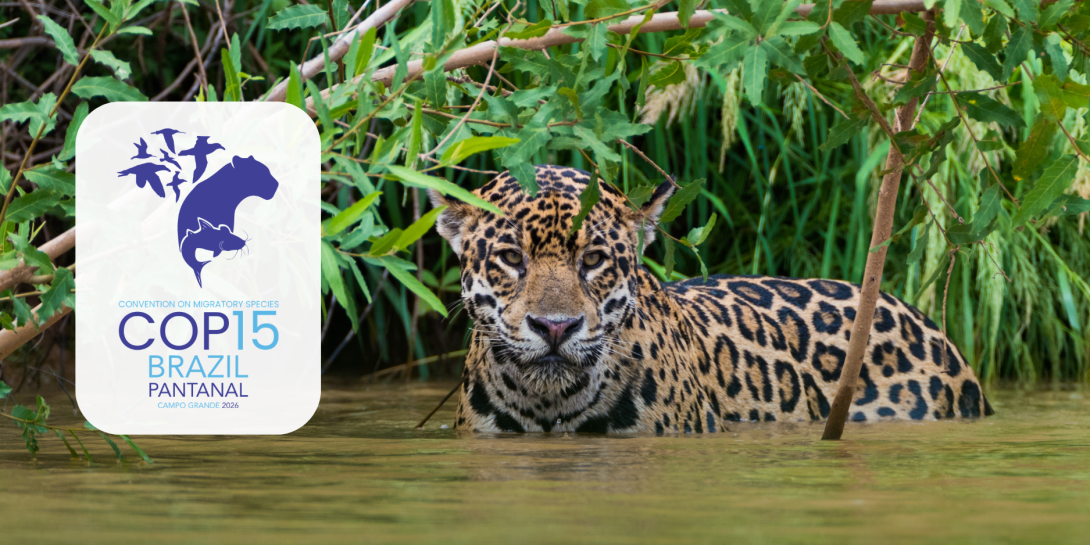
The COP15 logo was developed by the Government of Brazil in close cooperation with the Secretariat and features the Jaguar, the Amazonian Catfish, and a variety of sea birds to call to mind Brazil’s rich biodiversity, and to reflect the wide range of terrestrial, aquatic and avian species that will be the focus of this UN wildlife conservation conference.
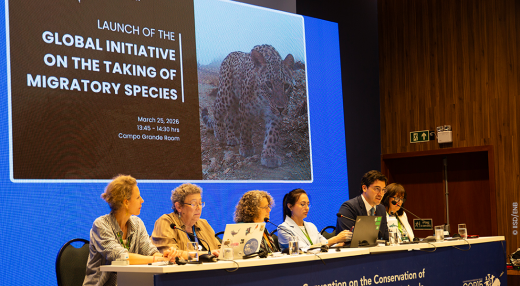
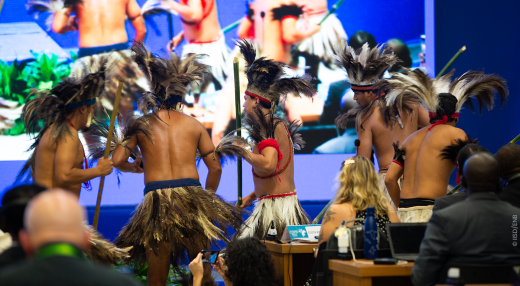
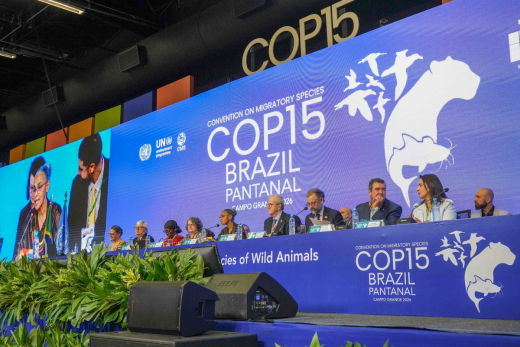
The 15th Meeting of the Conference of the Parties (COP15) to the Convention on the Conservation of Migratory Species of Wild Animals (CMS) will take place from 23 to 29 March 2026 at the Bosque Expo in Campo Grande, Mato Grosso do Sul, Brazil. This is the first time CMS COP is hosted in Brazil, the world’s most biodiverse country, and at the gates of the Pantanal region—one of the richest and most vibrant biomes globally. The meeting will bring together governments, scientists, conservationists, Indigenous Peoples and local communities, environmental leaders, and civil society from around the world to address urgent conservation challenges facing migratory species that cross international boundaries.
CMS COP15 will be convened under the slogan “Connecting Nature to Sustain Life”. This theme highlights the vital role of ecological connectivity for conserving ecosystems, which are crucial both for migratory species and human well-being. The slogan also reflects linkages between ecological connectivity, the conservation of migratory species and climate change.
During the week-long negotiations, CMS COP15 is expected to consider:
- High-Level Political Commitments & Declarations – A Ministerial Declaration will emphasize key global commitments for migratory species conservation.
- Strengthening Global and Coordinated Conservation for Migratory Species – Reviewing and approving proposals from CMS Parties to add species at risk to the CMS Appendices.
- Implementing Targeted Conservation Actions – Advancing new concerted actions, action plans and other conservation measures to address the most pressing needs and threats.
- Combating Illegal Take and Addressing Overexploitation of Species – Strengthening measures to prevent illegal taking, overuse, and bycatch.
- Enhancing Ecological Connectivity – Taking decisive steps to safeguard vital migratory corridors and networks.
- Advancing Sustainable Infrastructure which minimizes negative impacts on migratory species.
- Driving the Samarkand Strategic Plan (2024–2032) Forward – Evaluating progress and setting the course for the next decade of action.
- Addressing Global Challenges Impacting Migratory Species – Tackling climate change, habitat loss, wildlife health threats, and the impacts of pollution and renewable energy infrastructure.
- Fostering Global Collaboration – Strengthening synergies with other multilateral environmental agreements such as CITES, CBD, Ramsar and integrating conservation with sustainable livelihoods.