
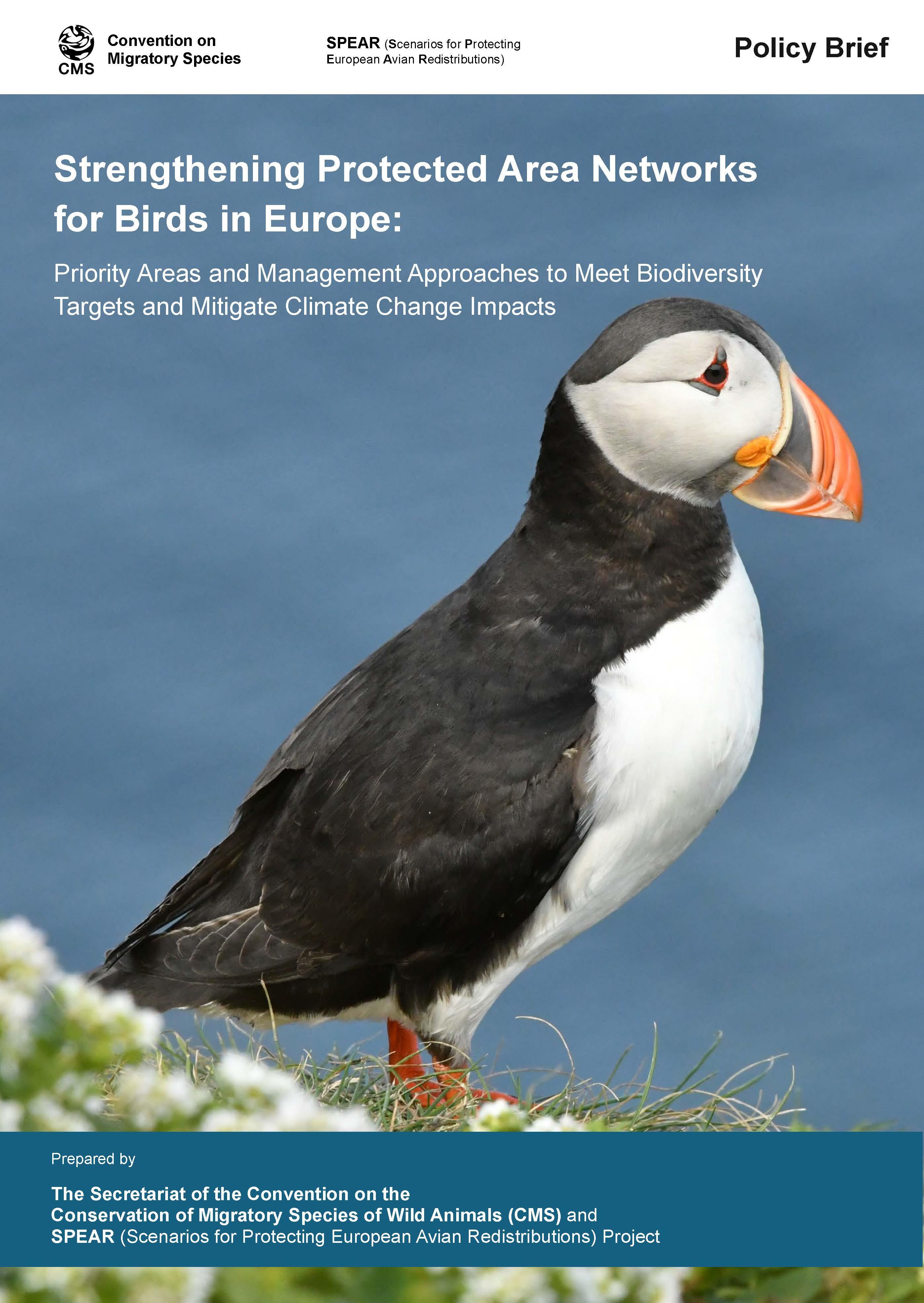
Strengthening Protected Area Networks for Birds in Europe: Priority Areas and Management Approaches to Meet Biodiversity Targets and Mitigate Climate Change Impacts
Rapid climate warming and widespread land-use change are transforming ecosystems across Europe. These shifts are putting increasing pressure on biodiversity and challenging the capacity of existing protected areas to safeguard species and habitats. In response, the United Nations and the European Union have committed to protecting 30% of land and sea by 2030. Achieving this goal requires smart, spatially targeted conservation planning that aligns protected areas with the habitat needs of species most at risk.
Many bird species are shifting their distributions towards higher latitudes as temperatures rise both during the breeding and wintering season. Future range shifts can reduce the benefits of current protected areas on land and freshwater habitats, and even more so at sea, where Marine Protected Areas remain limited in extent. Seabirds move widely across coastal and open ocean areas but much of their habitat is unprotected. The UN and EU 30% target creates an opportunity to enhance the effectiveness of protected area networks by strategically expanding coverage, particularly at sea where protection remains uneven.
Habitat characteristics strongly shape how species respond to global warming, highlighting the need for conservation strategies that account for climate trends and local environmental conditions. This includes protecting and restoring key habitats such as wetlands and effectively managing land use within protected areas. Effective conservation planning also requires aligning protected areas with species’ current and future distributions and understanding how disturbances—such as changes in forest canopy structure—affect bird populations differently across regions.
Strengthening conservation networks in Europe requires anticipating climate-driven redistributions, improving site-level management accordingly, and aligning new protections with key habitats that will support species’ long-term persistence.
Research from the SPEAR initiative provides new scientific guidance to help policymakers enhance the design and management of Europe’s protected areas. These insights aim to support more effective conservation of European bird species and ensure that protected area networks remain resilient under accelerating environmental change.
| Attachment | Size |
|---|---|
| Strengthening Protected Area Networks for Birds in Europe | 1.08 MB |