
Statement of Amy Fraenkel, Executive Secretary of the Convention on Migratory Species on the International Day for Biological Diversity 2026
This year’s theme, Acting locally for global impact, perfectly captures what is needed for the successful conservation of migratory species and their habitats.
Migratory species of animals live in every part of the world. They are found in cities and rural areas, on land and in the oceans, in our skies and in our lakes and rivers.
The Convention on the Conservation of Migratory Species of Wild Animals, CMS, is a unique global treaty of the United Nations, which brings countries together to agree on conservation measures for species that cross international borders. International cooperation is essential for these species.
But what happens locally often determines whether these species can survive and thrive.
Migratory species are an essential part of healthy and well-functioning ecosystems, and provide key benefits for nature and human well‑being. This includes pollination, seed dispersal, pest and disease control, nutrient cycling and carbon storage. Many migratory species support economies and provide jobs through the tourism and recreation sectors and are also important sources of food and income. In many Indigenous and local communities they are deeply woven into local cultures, traditions and beliefs.
The knowledge, choices and actions of people living alongside these species are therefore vital for conservation success.
When a community safeguards a wetland, when a port reduces underwater noise affecting whales and dolphins, and when a city tackles light pollution that disrupts migratory birds and bats, the impacts are felt far beyond the immediate place of such actions, and support migratory species throughout their range.
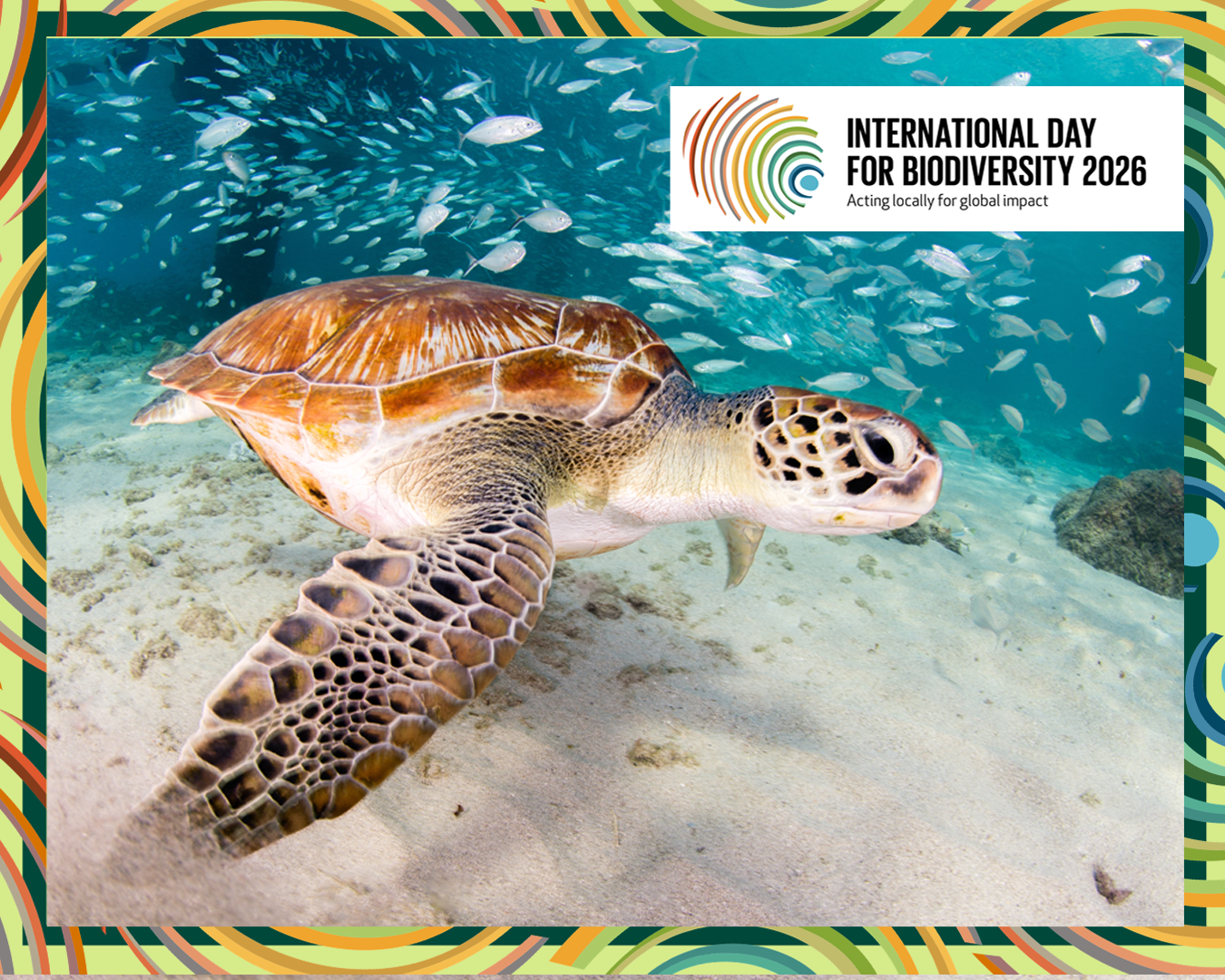
For instance, in Central Asia, community involvement in monitoring and anti‑poaching efforts has helped bring the saiga back from the brink of extinction. In the oceans, local protection of nesting beaches and community‑based fisheries management have contributed to the global recovery of the green turtle. And along migration routes in northeast India, communities shifted from hunting to protecting the Amur falcon, turning stopover sites into safe havens and helping this amazing bird reach Southern Africa each year.
These examples show that local action is not just helpful, it is vital. International agreements can only succeed when they are rooted in the realities, knowledge and commitment of people on the ground.
Earlier this year, at CMS COP15, we launched the Global Assessment of Migratory Freshwater Fishes, highlighting the dramatic global decline of these species. In the Amazon basin, the dorado catfish, which migrates thousands of kilometres during its life cycle, is central to food security, local economies and cultural heritage. Its future depends on decisions taken locally, in the rivers and communities where it is found.
Protecting migratory species also depends on the information we gather locally. At CMS COP15, we launched the Atlas of the Americas Flyways, which uses millions of observations to map the migratory routes and areas of importance for vulnerable species of birds.
Achieving the goals of the Kunming‑Montreal Global Biodiversity Framework depends on practical action on the ground, in our skies and under the water. This is where the work carried out under the Convention on Migratory Species makes a real difference.
Happy International Day for Biological Diversity.