
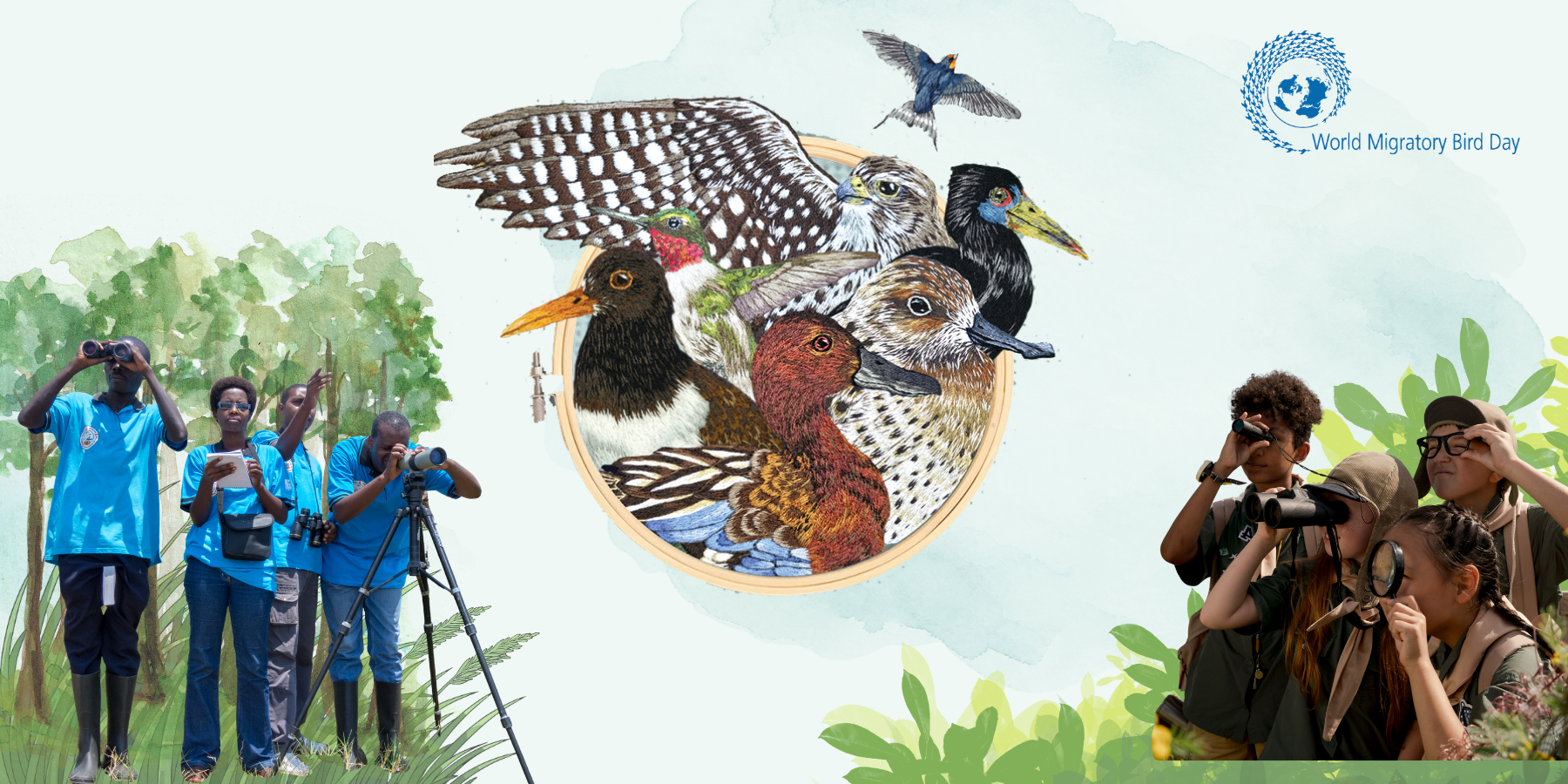
La science participative à l’honneur lors de la Journée mondiale des oiseaux migrateurs
2026/017 : Journée mondiale des oiseaux migrateurs 2026 – 10 octobre 2026
Les Secrétariats de la CMS et de l’AEWA ont le plaisir d’inviter les Parties, les États de l’aire de répartition non Parties, les partenaires et les parties prenant
2026/016: Lutte contre les prélèvements illégaux et non durables d’espèces migratrices : questionnaire d’évaluation des besoins stratégiques
Lors de sa quinzième réunion (COP15), la Conférence des Parties à la Convention sur la conservation des espèces migratrices appartenant à la faune sauvage
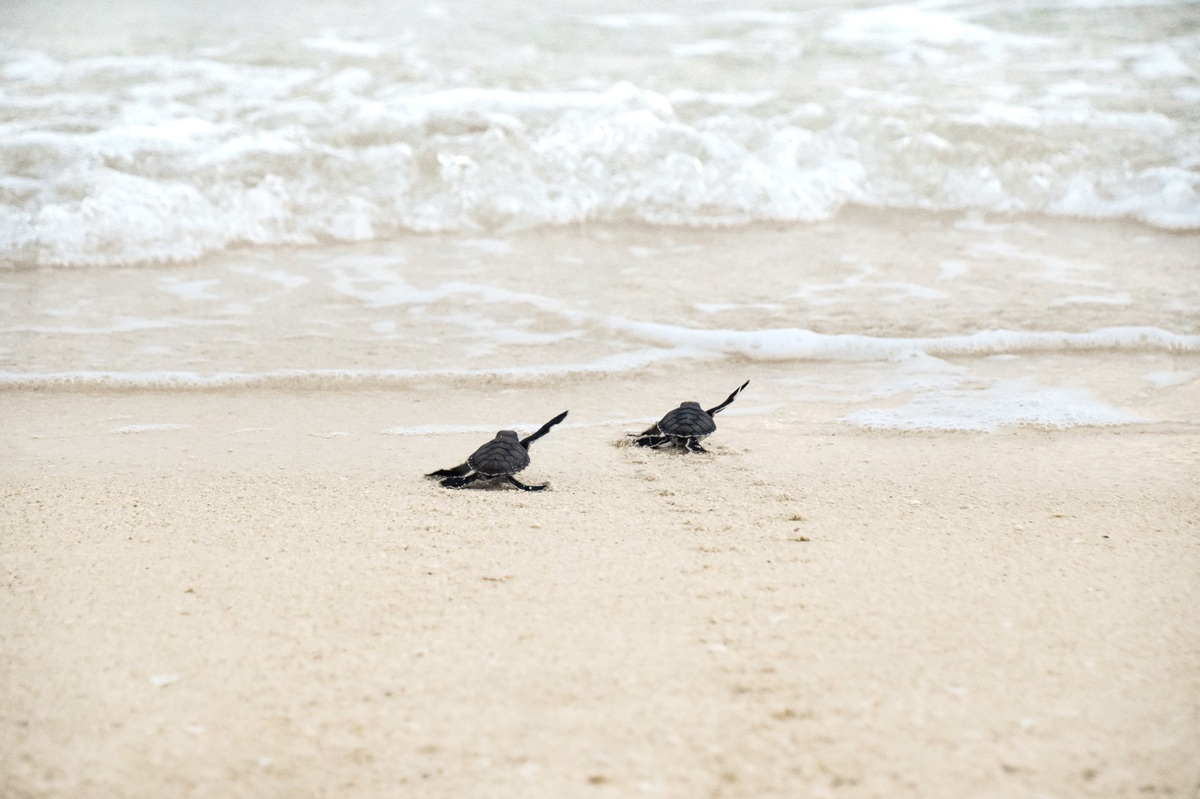
Celebrating 25 Years of Collaboration for the Conservation of Marine Turtles
For 25 years, the IOSEA Marine Turtle MOU has united governments, experts, communities and partners
2026/015 : Élection du président et du vice-président du Conseil scientifique et de son comité de session
Conformément au règlement intérieur du Conseil scientifique de la CMS et de son comité de session, les élections du président et du vice-président du Cons
2026/014: Appel à soutien pour la mise en œuvre du programme de travail pour la période intersessionnelle entre la COP15 et la COP16
La quinzième réunion de la Conférence des Parties à la CMS (COP15, mars 2026, Campo Grande) a approuvé le programme de travail pour la période intersessionnelle entre la COP15 et la COP16 (PdT) par
2026/013: Dates, Organisation et Inscription pour la 59e Réunion du Comité Permanent de la CMS
La 59e réunion du Comité permanent de la CMS aura lieu du 13 au 15 avril 2027 à Bonn en Allemagne.
2026/012: Annexes Révisées de la CMS
Conformément à l’article XI, paragraphe 5, du texte de la Convention, les amendements aux Annexes adoptés lors de la 15e réunion de la Conférence des Parties à la CMS (COP15) sont entrés en vigueur
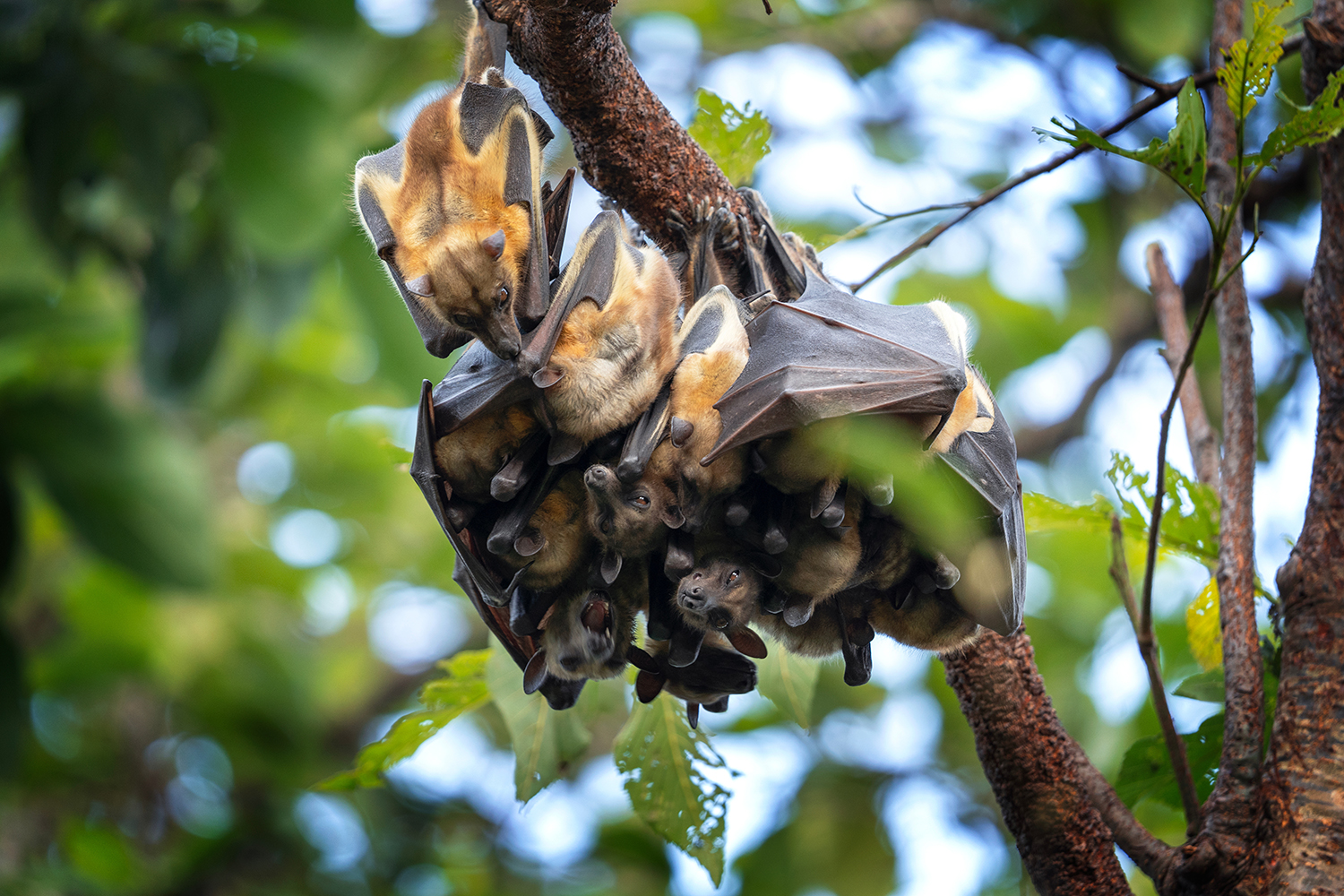
Statement by the Secretariats of CMS and EUROBATS - Protecting Bats during the 2026 Ebola Outbreak in the Democratic Republic of the Congo and Uganda: A Call for Evidence-Based Action
2026/011 : Appel à candidatures pour le Groupe de travail intersessionnel sur les rapports nationaux
La Conférence des Parties à la CMS, lors de sa 15e réunion (COP15), a adopté la décision 15.7b), demandant au Comité permanent d’adopter un nou