
• Photo
Global Initiative on Ungulate Migration
Gallery - Landscape
Gallery images
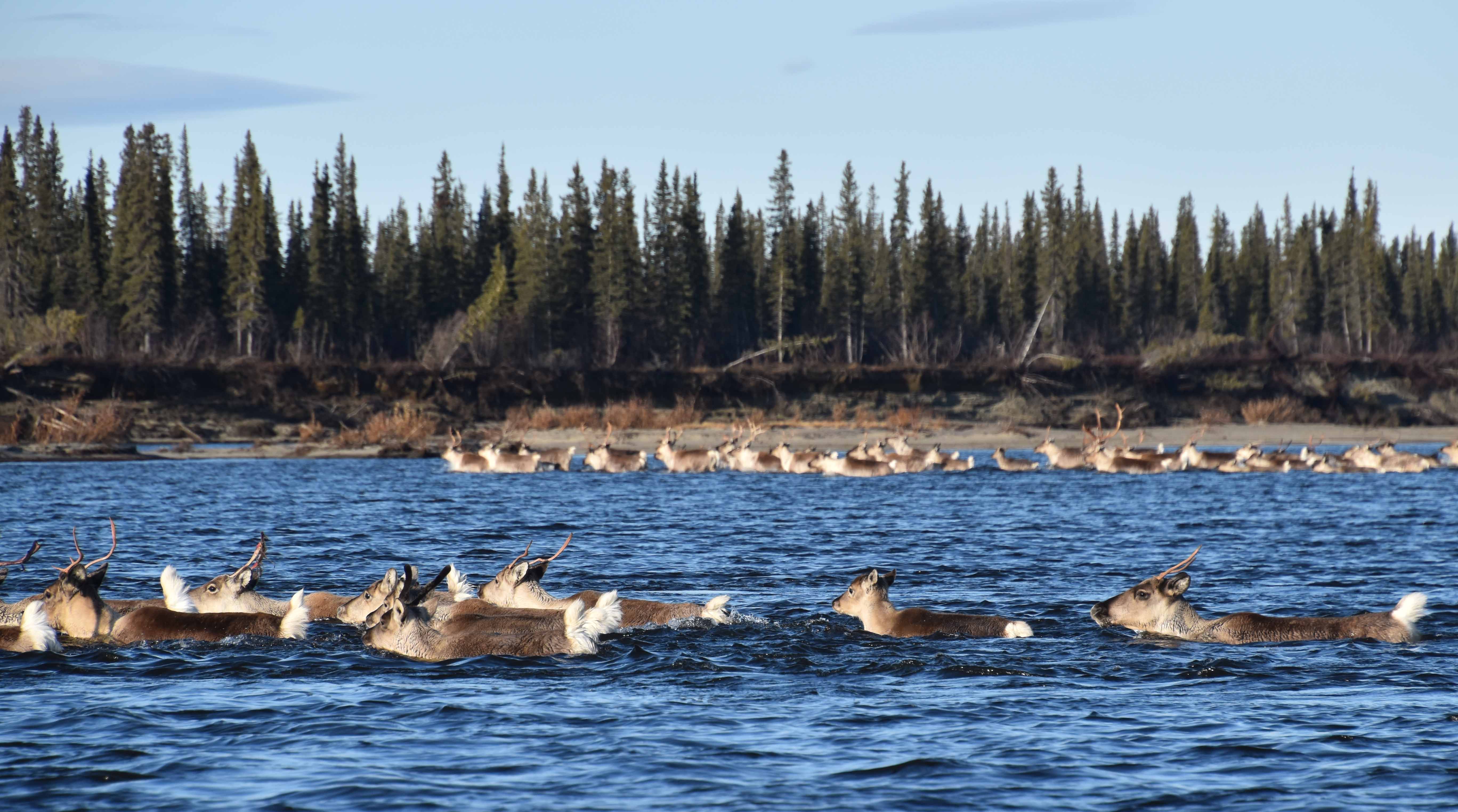
Groups of caribou swimming across the Kobuk River on their southward fall migration, Kobuk Valley National Park, Alaska. Photo: Kyle Joly
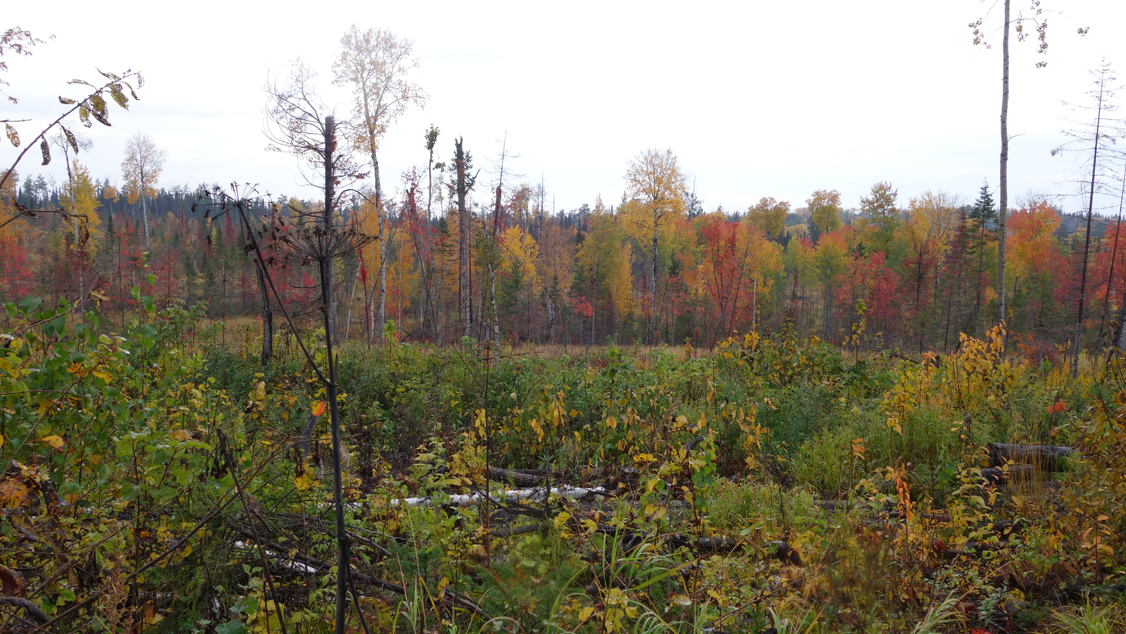
The geographical range of roe deer was expanding in Central Siberia in the 90s of the 20th century. Over the past decades, the limits of its distribution have moved significantly northward. This is due to the change in the age structure of forests as a result of intensive logging. The emergence of young stands in a huge area on the site of coniferous stands, overgrowing of clearings with undergrowth of deciduous species significantly increases the mosaic nature of landscapes and, in turn, increases the forage potential of forest lands. An important factor in the settlement of northern roe deer groups is their high migration activity as a reaction to changes in habitat conditions. Photo credit: P. A. Savchenko
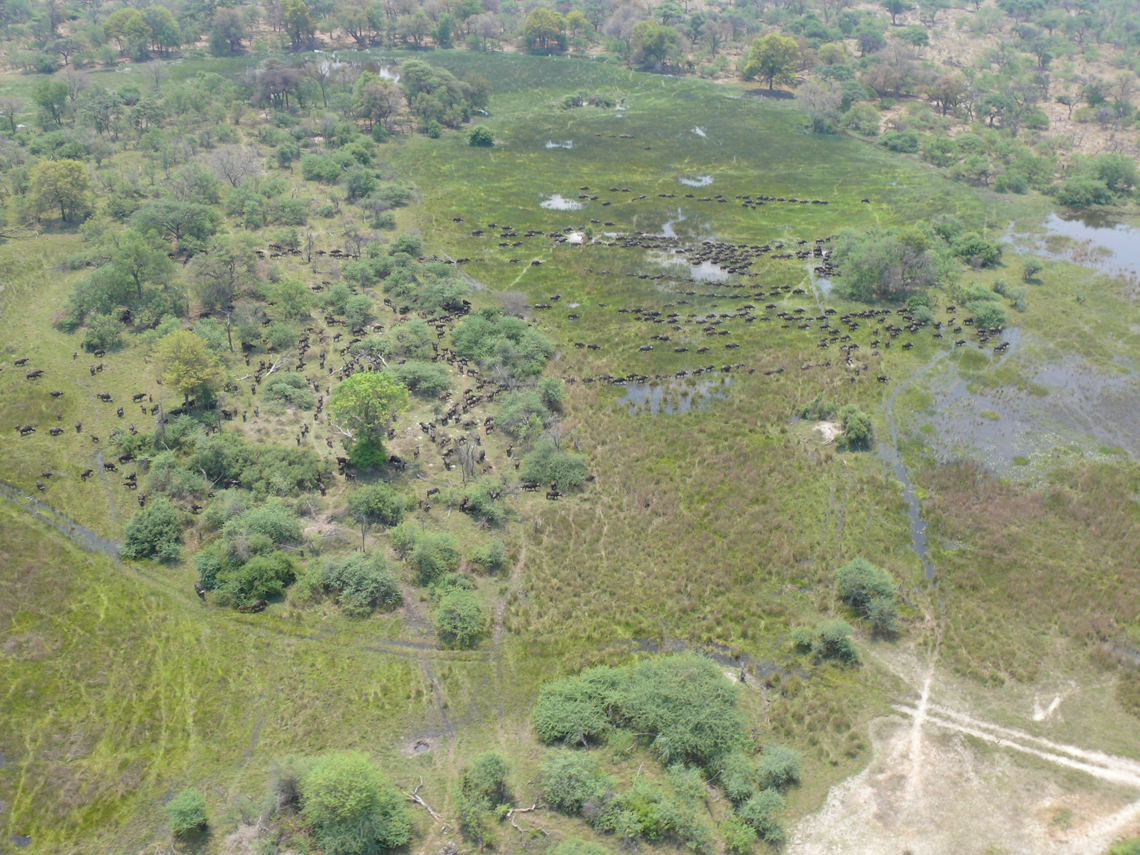
Cape buffalo in the Okavango Delta, Botswana, migrate between the lush Okavango swamps during the dry season and the seasonally green mopane woodland during the rainy season. Here they are seen walking in columns across water-logged floodplains. Photo Credit: Emily Bennitt

Zebras follow game trails through the flat, Makgadikgadi grasslands to access waterholes. Photo Credit: Bartlam-Brooks

Spring movements can start at different times and it also depends on a number of factors. However, the average dates of migrations were pretty consistent in the twentieth century. According to observations in 1998-2006, the first animals were marked on April 5-10 in the northern part of the Kansk forest-steppe (at the latitude of the village of Taseevo). The peak of migration coincides with the intensive snow melting and reached its peak by April 20-25. In recent years the dates have shifted by almost two weeks. Photo credit:. P. A. Savchenko
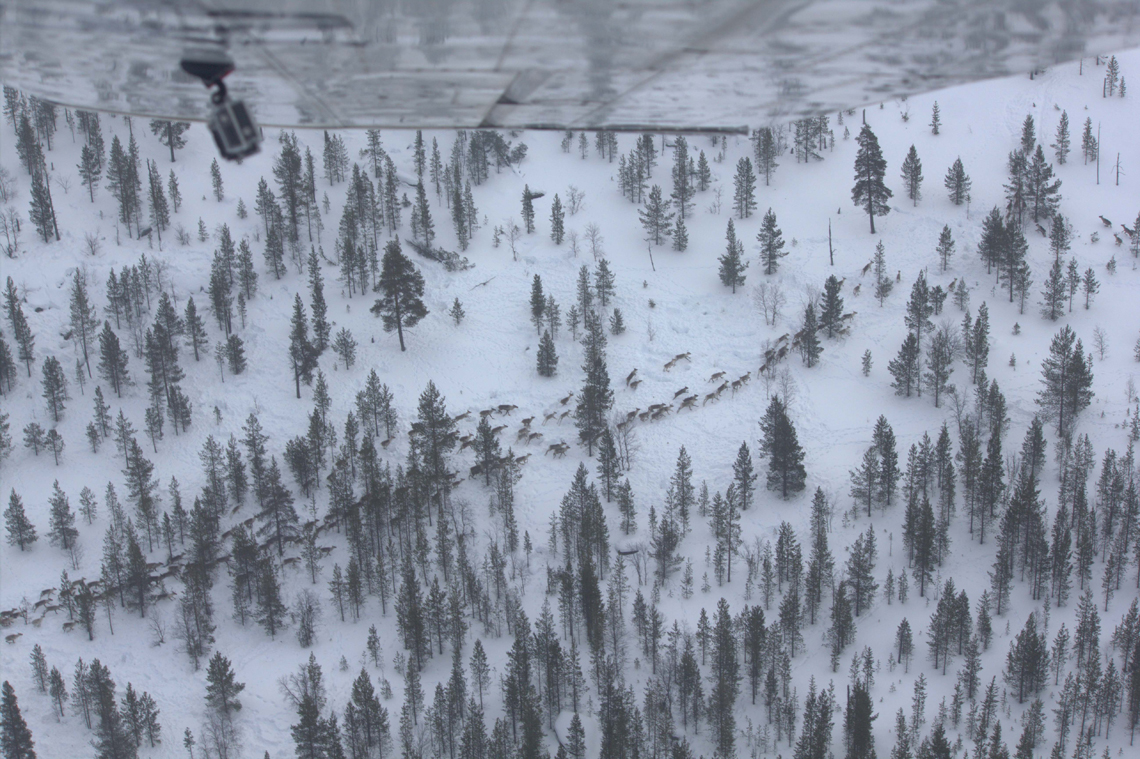
A flock of wild reindeer during spring migration from the central part of the Kola Peninsula to the White Sea coast. This flock is the part of eastern population of wild reindeer in Kola Peninsula. Photo credit Danila Panchenko