Marine animals are essential for healthy ocean ecosystems, sustainable livelihoods and human well-being. Yet many of these species face severe threats due to human activities. Managing such activities in a way that ensures the conservation and legal and sustainable use of marine biodiversity, including through connected and effectively managed protected areas and other area-based conservation measures, is critical for implementing SDG 14 and Targets 2, 3, 4 and 5 of the KMGBF.
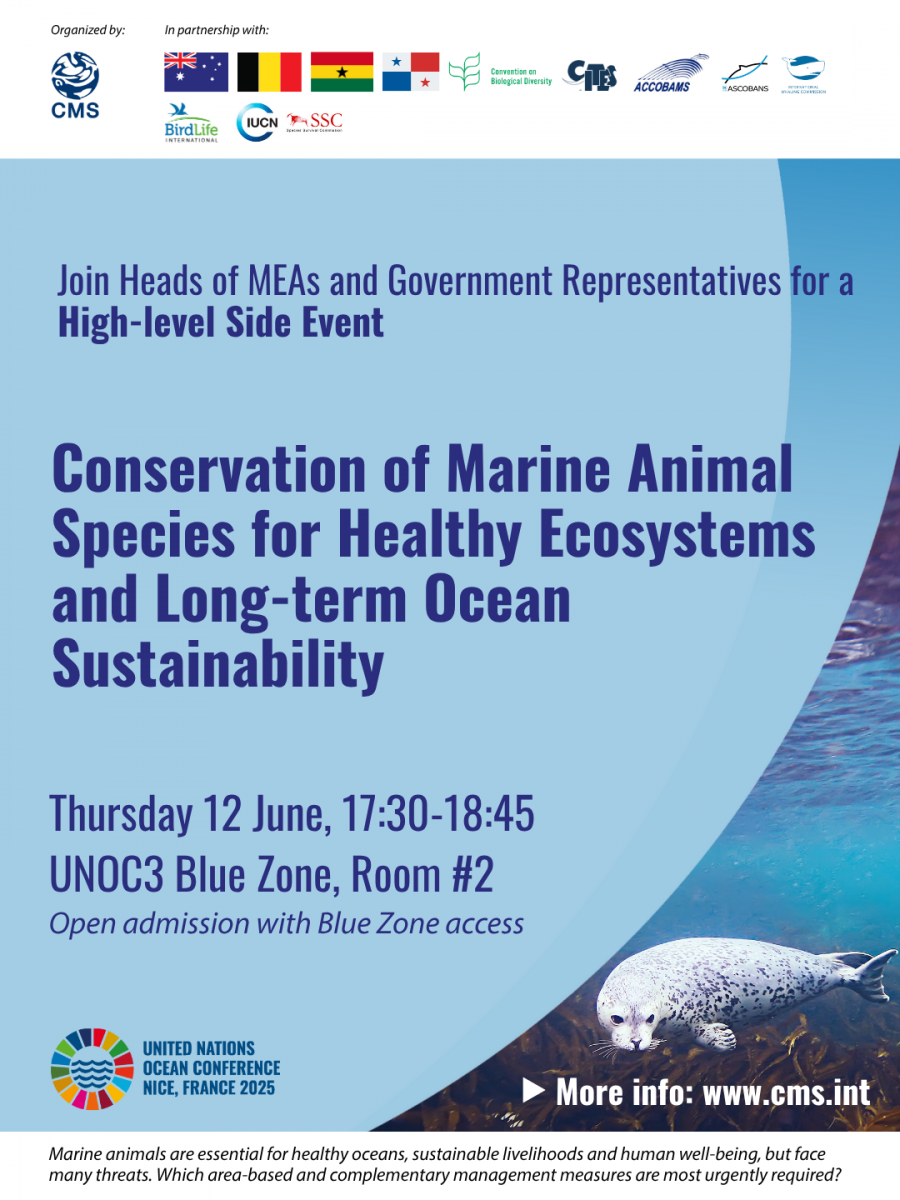
High-level government representatives and heads of MEA Secretariats and NGOs will highlight how to advance these goals through collaboration, innovative science, and an inclusive approach, providing actionable insights on how to protect marine animal species, ensure ecosystem health, and promote sustainable futures for all.
Programme
Welcome Remarks
Amy Fraenkel, Executive Secretary, CMS Secretariat
A. Call to Action on Sharks and Rays
Agnès Pannier-Runacher, Minister of Ecological Transition, Biodiversity, Forests, Sea and Fisheries, Government of France
B. Individual Remarks
- Marine Wildlife Connects the Ocean
Amy Fraenkel, CMS Executive Secretary
- KMGBF Targets and Marine Biodiversity: From Policy to Practice
Astrid Schomaker, CBD Executive Secretary
- The Marine Corridor of the Eastern Tropical Pacific (CMAR): A Transboundary Success Story
Digna Barsallo, Director of Coasts and Seas, Environment Ministry, Government of Panama
- Conservation of Marine Species through Legal, Sustainable and Traceable Trade
Ivonne Higuero, CITES Secretary-General
- Conserving Cetaceans in the Face of Ever-evolving Threats
Martha Rojas Urrego, IWC Executive Secretary
- Marine Flyways as a Tool for Strengthening the Science-Policy Interface
Martin Harper, CEO, BirdLife International
- Advancing Marine Biodiversity Protection: BBNJ and Beyond
Charlotte Salpin, Senior Legal Officer, DOALOS
C. Panel Discussion
With
- Obaid Ali Humaid Al Shamsi, Head of Marine Biodiversity Section, Ministry of Climate Change and Environment, United Arab Emirates
- Martha Rojas Urrego, IWC Executive Secretary
- Maylis Salivas, Executive Secretary, ACCOBAMS Secretariat
- Rima Jabado, Deputy Chair, IUCN Species Survival Commission
- Martin Harper, CEO, BirdLife International
D. Concluding Remarks
Amy Fraenkel, CMS Executive Secretary
***********************************************************************************************************************************
The CMS Secretariat partners with the Governments of Australia, Belgium, Ghana and Panama, the Secretariats of CBD, CITES, IWC, ACCOBAMS and ASCOBANS, BirdLife International and the IUCN Species Survival Commission for this Blue Zone Event, which builds on existing Ocean Commitments addressing underwater noise impacts (CMS), sustainable tourism benefiting migratory species and local communities (CMS), regional cetacean assessments and biodiversity conservation (ACCOBAMS), bycatch mitigation (ACCOBAMS & IWC), marine turtle protection (CMS IOSEA Marine Turtle MOU), conservation of sharks and rays (CMS Sharks MOU), and cetaceans (ASCOBANS & IWC), whale watching (IWC), and entanglement response (IWC).
It will also announce new commitments, e.g. focused on MPAs and connectivity along ocean flyways (BirdLife International), advancing cetacean conservation (ACCOBAMS), and promoting connectivity and area-based conservation measures for migratory species (CMS).
Event ID: 112
Location: UNOC3 Blue Zone, Room #2
Date and Time: Thursday 12 June, 17:30-18:45
Admission: Free admission with Blue Zone access
For any questions, please reach out to Ms Heidrun Frisch-Nwakanma ([email protected]).
More information on UNOC3 Side Events can be found here: https://sdgs.un.org/conferences/ocean2025/side-events
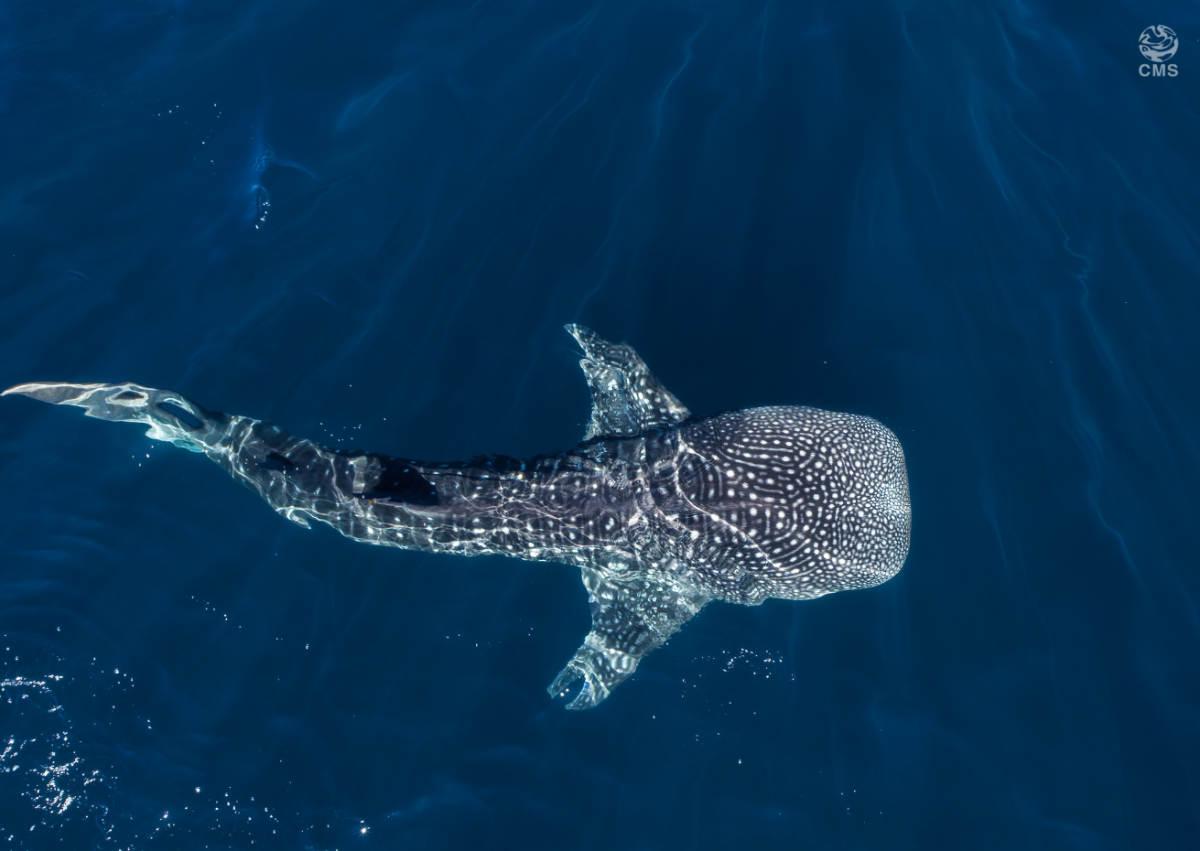
Featured image: Whale Shark © Beto Bormann/Getty Images